Replacing a roof is one of the most important investments for protecting your home. Many homeowners ask about the Best Time To Put A Roof On Your House because weather, temperature, and seasonal conditions can significantly affect installation quality.
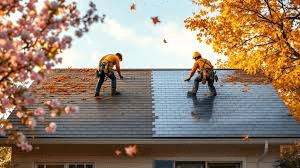
Choosing the right timing ensures proper sealing, longer roof lifespan, and fewer installation problems. In this guide, we’ll explain the best seasons, ideal weather conditions, and expert tips to help you schedule your roofing project at the perfect time.
Read too: Is It Reasonable to Ask the Seller to Replace the Roof?
Why Timing Matters for Roof Installation
Roof installation is not just about putting shingles on top of a house. Environmental conditions influence adhesion, durability, and installation safety.
Several factors make timing critical:
- Temperature affects shingle flexibility
- Humidity influences adhesive curing
- Rain can damage underlayment during installation
- Wind impacts worker safety and material placement
According to roofing industry studies, improper installation conditions can reduce roof lifespan by up to 25–30%, especially for asphalt shingles.
Planning installation during optimal weather conditions ensures materials bond correctly and protects the roof from early damage.
Best Time To Put A Roof On Your House (Season Overview)
Most roofing professionals agree that late spring and fall are the best seasons for installing a roof.
Here’s a comparison of roofing conditions by season:
| Season | Installation Quality | Notes |
|---|---|---|
| Spring | Very Good | Moderate temperatures |
| Summer | Good | Risk of extreme heat |
| Fall | Best | Ideal weather stability |
| Winter | Challenging | Cold temperatures and snow |
The ideal temperature range for roofing is typically between 60°F and 80°F (16–27°C). This allows shingles to remain flexible while activating adhesive strips properly.
Why Fall Is Often the Best Season for Roofing
Many roofing contractors recommend fall as the optimal time to replace a roof.
Key Advantages of Fall Roofing
1. Ideal Temperature Range
Fall temperatures usually stay between 50°F and 70°F, which is perfect for asphalt shingles to seal properly.
2. Stable Weather Conditions
Unlike spring, fall generally brings fewer storms and more predictable weather.
3. Strong Adhesive Bonding
The moderate heat allows shingle sealants to activate naturally.
4. Preparation for Winter
Installing a roof before winter protects your home from snow, ice, and freezing temperatures.
Because of these benefits, fall is often the busiest roofing season in the United States.
Is Spring a Good Time to Replace a Roof?
Yes, spring is also an excellent time for roofing projects.
After winter, many homeowners inspect their roofs for damage caused by snow and ice.
Benefits of Spring Roofing
- Comfortable working conditions
- Moderate temperatures (55°F–75°F)
- Good adhesive activation
- Early protection before summer storms
However, spring weather can sometimes be unpredictable.
Potential challenges include:
- Heavy rain
- Sudden temperature changes
- Contractor scheduling delays
Planning installation during dry weeks with stable weather forecasts improves success rates.
Can You Install a Roof in Summer?
Roof installation in summer is possible, but extreme heat can create challenges.
When temperatures exceed 90°F (32°C), roofing materials may become too soft.
Problems with Extreme Heat
- Shingles may warp or deform
- Footprints can appear on soft shingles
- Worker heat exhaustion risks increase
How Contractors Handle Summer Roofing
Professional roofers adjust schedules to avoid peak heat:
- Start work early morning (6–10 AM)
- Pause during midday heat
- Resume work in late afternoon
These adjustments help prevent material damage and protect workers.
What About Installing a Roof in Winter?
Winter roofing is generally less ideal but sometimes necessary.
Emergency roof replacements may happen even when temperatures drop below 40°F (4°C).
Challenges of Winter Roofing
- Shingles become brittle
- Adhesive strips may not activate
- Snow and ice increase safety risks
Roofers often compensate by hand-sealing shingles with roofing cement.
While winter installation is possible, it usually requires additional labor and precautions.
How Weather Conditions Affect Roofing Materials
Different roofing materials react differently to weather conditions.
Asphalt Shingles
Asphalt shingles are the most common roofing material in North America.
Temperature plays a major role in their performance.
Cold weather:
- Shingles become stiff
- Risk of cracking increases
Warm weather:
- Shingles remain flexible
- Adhesives activate properly
More information about roofing materials can be found here:
https://en.wikipedia.org/wiki/Roof
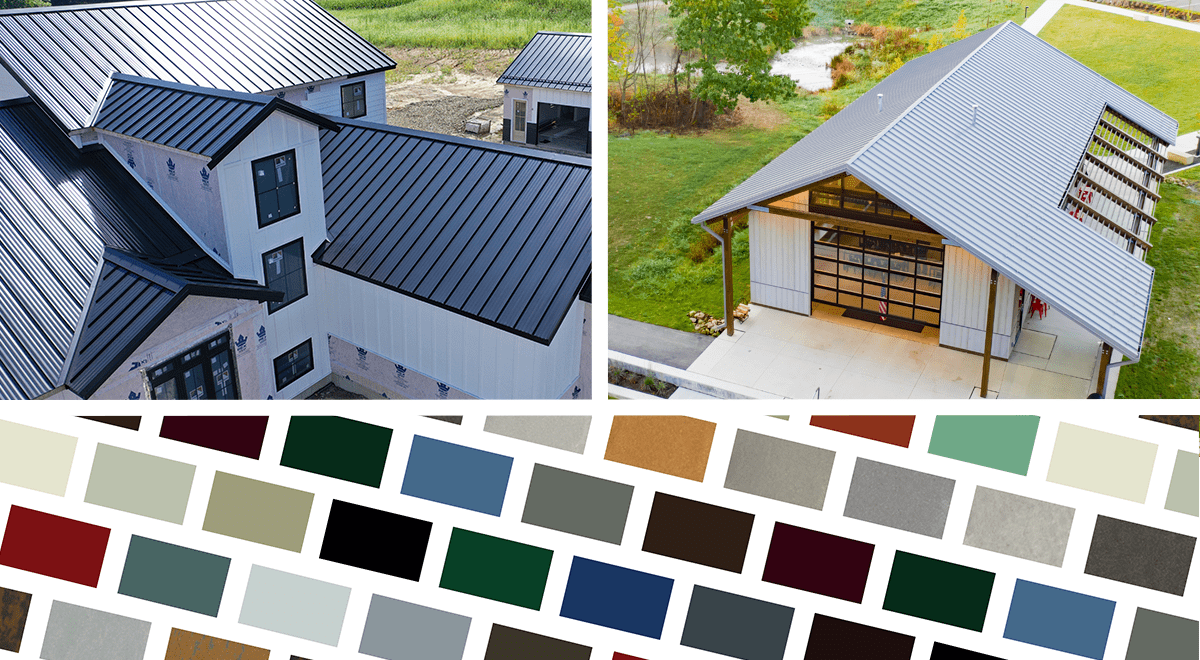
Metal Roofing
Metal roofs are less sensitive to temperature.
Advantages:
- Can be installed in wider temperature ranges
- Highly durable
- Minimal adhesive reliance
However, thermal expansion must still be considered during installation.
Tile Roofing
Clay and concrete tiles require stable weather conditions.
Best installation conditions:
- Temperature between 50°F and 85°F
- Dry weather for mortar curing
Tiles are heavy and must be installed carefully to avoid cracking.
Signs You Installed Your Roof at the Wrong Time
Improper installation timing can cause several problems.
Watch for these warning signs:
- Shingles curling or lifting
- Poor adhesive bonding
- Uneven shingle alignment
- Premature roof leaks
- Cracked or brittle shingles
These issues often appear within the first 12–24 months after installation.
If you notice them, it’s best to schedule a professional roof inspection.
Step-by-Step: How to Choose the Best Time for Roof Replacement
Selecting the right time for a roofing project involves more than just choosing a season.
Follow these steps to ensure the best outcome.
Step 1: Check Local Weather Patterns
Review historical weather conditions for your area.
Look for:
- Moderate temperatures (60–80°F)
- Low rainfall probability
- Stable weather for 3–5 days
Step 2: Inspect Your Current Roof
Look for signs your roof needs replacement:
- Missing shingles
- Water leaks
- Moss or algae growth
- Sagging roof areas
If damage is severe, you may need immediate replacement regardless of season.
Step 3: Choose the Right Roofing Material
Some materials perform better in certain climates.
Examples:
- Metal roofing for snow-prone areas
- Asphalt shingles for moderate climates
- Clay tiles for hot climates
Step 4: Hire an Experienced Roofing Contractor
Experienced contractors understand how weather conditions affect installation.
Ask them about:
- Seasonal installation techniques
- Weather monitoring procedures
- Manufacturer installation guidelines
Step 5: Schedule the Project Strategically
Try to schedule installation during:
- Late spring
- Early fall
These periods offer the most consistent weather conditions.
Advantages vs Disadvantages of Roofing Seasons
Fall Roofing
Advantages
- Ideal temperatures
- Strong adhesive sealing
- Low humidity
Disadvantages
- High contractor demand
- Scheduling delays
Spring Roofing
Advantages
- Comfortable temperatures
- Good preparation for summer storms
Disadvantages
- Rain delays possible
Summer Roofing
Advantages
- Long daylight hours
Disadvantages
- Extreme heat risks
- Material softening
Winter Roofing
Advantages
- Contractor availability
Disadvantages
- Brittle shingles
- Snow and ice hazards
Expert Roofing Tips for Homeowners
Professional roofers recommend focusing on weather stability rather than just the season.
Key expert tips:
- Avoid roofing during rain or snow
- Maintain installation temperatures between 60°F and 80°F
- Ensure dry roof decking before installation
- Allow shingles to seal for 24–72 hours after installation
Following these guidelines ensures your roof performs well for decades.
FAQ: Best Time To Put A Roof On Your House
What month is best to replace a roof?
In many regions, September and October are considered ideal months because temperatures remain moderate and weather is stable.
How long does a roof installation take?
Most residential roof replacements take 1–3 days, depending on roof size, complexity, and weather conditions.
Can rain ruin a roof installation?
Yes. Roofing should never be installed during rain because moisture can damage underlayment and prevent adhesives from bonding properly.
Is fall better than spring for roofing?
Both seasons are good, but fall is often preferred because temperatures remain stable and adhesives seal more effectively.
Should I replace my roof before winter?
Yes. Installing a roof before winter prevents snow and ice damage and ensures your home stays protected during harsh weather.
Can roofing be done in one day?
Small homes or simple roofs can sometimes be completed in one day, but larger or complex roofs may take longer.
Conclusion
Choosing the Best Time To Put A Roof On Your House can make a significant difference in installation quality, durability, and long-term performance. In most cases, fall and late spring offer the best weather conditions, providing moderate temperatures and stable climates for roofing work.
Although roofing can be done in summer or winter, extreme temperatures may require special installation techniques. By planning your project carefully and working with experienced contractors, you can ensure your roof lasts 20–30 years or more.
If you found this guide helpful, consider sharing it on social media so other homeowners can learn the best time to replace their roof and protect their homes.
Leave a Reply