Florida’s tropical climate and frequent rainstorms can take a toll on your home’s roof. It’s no wonder that many homeowners in the Sunshine State wonder, “How often should you replace your roof in Florida?” In this article, we’ll explore the unique factors that influence roof longevity in Florida, signs it’s time for a replacement, and proactive measures to extend your roof’s lifespan.
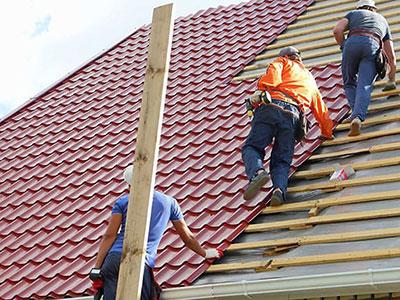
Understanding Florida’s Roofing Challenges
Florida’s climate presents several challenges to the longevity of your roof:
1. Heat and Sun
Florida’s scorching sun can cause shingles to become brittle and crack over time. The intense heat can also lead to thermal expansion and contraction, putting stress on roofing materials.
2. Humidity
High humidity levels in Florida can lead to mold, mildew, and algae growth on roofs. These organisms can deteriorate roofing materials and compromise their integrity.
3. Heavy Rainfall and Hurricanes
Florida experiences heavy rainfall and hurricanes during certain seasons. These weather events can cause roof leaks, wind damage, and even complete roof failure.
Determining When to Replace Your Roof
While there’s no one-size-fits-all answer to how often you should replace your roof in Florida, several factors can help you determine when it’s time for a replacement:
1. Age of the Roof
The age of your roof is a significant factor. Most asphalt shingle roofs, commonly used in Florida, have a lifespan of 20 to 30 years. If your roof is approaching or exceeding this age range, it’s time to consider a replacement.
2. Visible Damage
Inspect your roof regularly for visible signs of damage, such as missing or damaged shingles, sagging areas, or visible water stains on your ceiling. These are indicators that your roof may need immediate attention.
3. Frequent Repairs
If you find yourself frequently repairing your roof due to leaks or other issues, it may be more cost-effective in the long run to invest in a replacement.
4. Shingle Granules in Gutters
Check your gutters for an excessive buildup of shingle granules. Shingles lose granules over time, and a significant amount in your gutters is a sign of shingle deterioration.
5. Energy Efficiency
An aging or damaged roof can lead to reduced energy efficiency. If you notice a spike in your energy bills, it may be due to your roof’s poor insulation and ventilation.
6. Roof Inspection
Consider hiring a professional roofing contractor for a thorough inspection. They can assess the condition of your roof, identify any issues, and provide recommendations for repair or replacement.
Proactive Measures to Extend Roof Lifespan
To extend the lifespan of your roof in Florida, consider the following proactive measures:
1. Regular Maintenance
Perform regular roof inspections and maintenance, especially after severe weather events. Promptly address any issues to prevent them from escalating.
2. Clean Your Roof
Keep your roof clean by removing debris, leaves, and branches that can trap moisture and promote mold or algae growth.
3. Proper Ventilation
Ensure that your roof has proper ventilation to reduce heat buildup and moisture retention, which can accelerate roof deterioration.
4. Roof Coating
Consider applying a reflective roof coating to your roof to reduce heat absorption and extend its lifespan.
5. Hurricane Preparedness
Invest in hurricane-resistant roofing materials and consider reinforcing your roof with hurricane straps or clips.
Conclusion
In conclusion, the frequency of roof replacement in Florida varies depending on several factors, including your roof’s age, visible damage, and climate-related challenges. Regular maintenance, inspections, and proactive measures can help extend your roof’s lifespan and minimize the need for premature replacements. If you’re uncertain about the condition of your roof, it’s advisable to consult with a professional roofing contractor who can provide expert guidance and recommendations tailored to your specific situation.
Leave a Reply