Metal roofing is a popular choice for residential and commercial buildings due to its durability, longevity, and energy efficiency. However, like any roofing material, metal roofs can encounter issues, and one common problem is condensation forming underneath the metal panels. In this article, we will delve into the causes of condensation under metal roofing, its potential consequences, and how to prevent and address this issue.
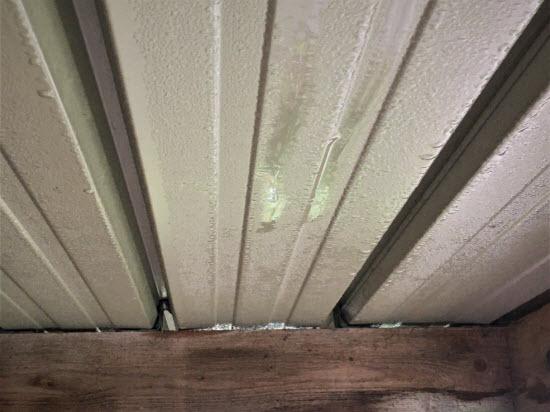
Understanding Condensation Under Metal Roofing
1. Causes of Condensation
Condensation occurs when warm, moist air comes into contact with a surface that is cooler than the dew point of the air. In the context of metal roofing, condensation typically forms when:
- Temperature Differences: Metal roofing can become significantly cooler than the air inside the building, especially during cold nights or seasons.
- Humidity Levels: High indoor humidity, combined with a temperature differential, increases the likelihood of condensation.
- Inadequate Ventilation: Poor attic or roof ventilation can trap moist air inside the building, promoting condensation.
2. Potential Consequences
Condensation under metal roofing can lead to various issues, including:
- Mold and Mildew Growth: Moisture buildup can create an environment conducive to mold and mildew growth, which can affect indoor air quality and structural integrity.
- Corrosion: Prolonged exposure to moisture can lead to rust and corrosion on the underside of metal roofing panels.
- Insulation Compromise: Moisture can compromise the effectiveness of insulation materials in the attic, reducing energy efficiency.
Preventing and Addressing Condensation
1. Adequate Ventilation*
Proper attic or roof ventilation is essential for preventing condensation. Adequate airflow helps remove moist air from the building and maintains more consistent temperatures. This can be achieved through the installation of vents, ridge vents, soffit vents, and exhaust fans.
2. Vapor Barriers*
Installing a vapor barrier or vapor retarder between the interior living space and the attic can help control moisture levels. This barrier prevents warm, moist air from entering the attic space.
3. Insulation*
Proper insulation in the attic helps maintain a consistent temperature and reduces the potential for condensation. Insulation materials should be installed according to local building codes and best practices.
4. Metal Roof Underlayment*
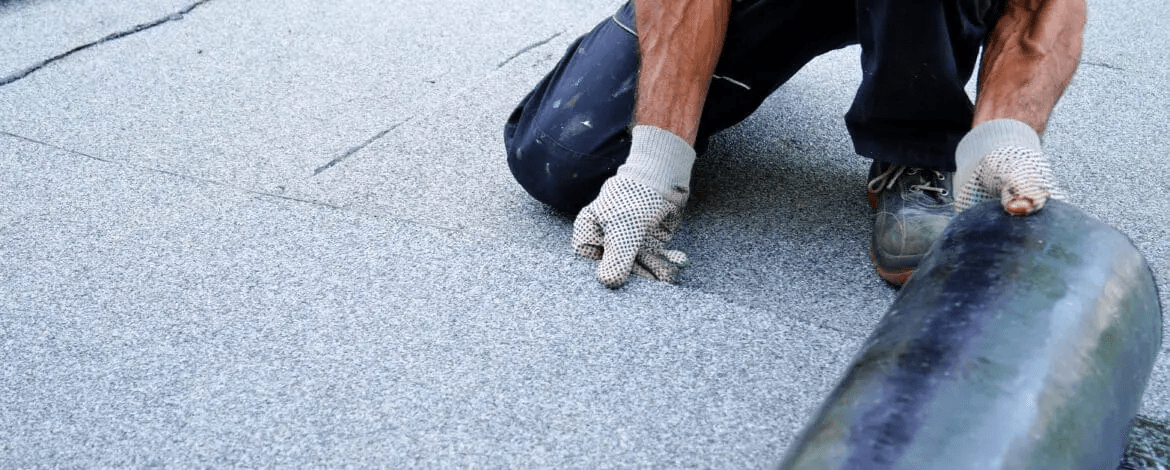
Consider using a vapor-permeable underlayment beneath the metal roofing panels. This underlayment allows any trapped moisture to escape while still providing a secondary layer of protection against leaks.
5. Roofing Design*
The design of the metal roofing system can also impact condensation. It’s essential to work with a professional roofer who can recommend the appropriate roofing design and insulation for your specific climate and building structure.
Addressing Existing Condensation Issues
If you suspect condensation is already occurring under your metal roofing, it’s essential to address it promptly:
1. Inspection*
Have a qualified roofing professional inspect the roof and attic to determine the extent of the condensation issue and identify any damaged areas.
2. Repair or Replacement*
Depending on the severity of the problem, repairs may involve replacing damaged insulation, adding ventilation, or installing a vapor barrier. In some cases, it may be necessary to replace the roofing material.
3. Mold Remediation*
If mold or mildew is present, it’s crucial to address it promptly to protect indoor air quality. Mold remediation may involve cleaning and treating affected areas or replacing materials as needed.
Conclusion
Condensation under metal roofing is a common issue that can lead to various problems, including mold growth, corrosion, and compromised insulation. Preventing and addressing condensation requires proper ventilation, insulation, and roofing design. If you suspect condensation issues under your metal roofing, it’s essential to consult with a professional roofing contractor who can assess the situation and recommend the appropriate solutions to protect your roof and the interior of your building. With the right measures in place, you can enjoy the many benefits of a metal roof without the drawbacks of condensation.
Leave a Reply