When it comes to replacing your roof, one of the questions that often comes to mind is, “How long does it take to replace a roof?” Roof replacement is a significant home improvement project, and understanding the timeline involved can help you plan accordingly. In this article, we will delve into the various factors that influence the duration of a roof replacement project, providing you with valuable insights into what to expect.
Factors Affecting Roof Replacement Timelines:
1. Roof Size and Complexity:
The size and complexity of your roof play a significant role in determining how long the replacement will take. A straightforward, single-story roof with a basic design will typically be quicker to replace than a multi-story roof with numerous angles, valleys, and dormers. Additionally, the pitch of the roof can affect the time it takes to complete the project.
2. Weather Conditions:
Weather is a crucial factor that can impact the timeline of a roof replacement. Ideally, roofing projects should take place during dry and mild weather conditions. Rain, snow, or extreme heat can slow down the process and even pose safety hazards for the roofing crew. It’s essential to schedule your roof replacement during a season with stable weather conditions.
3. Roofing Material:
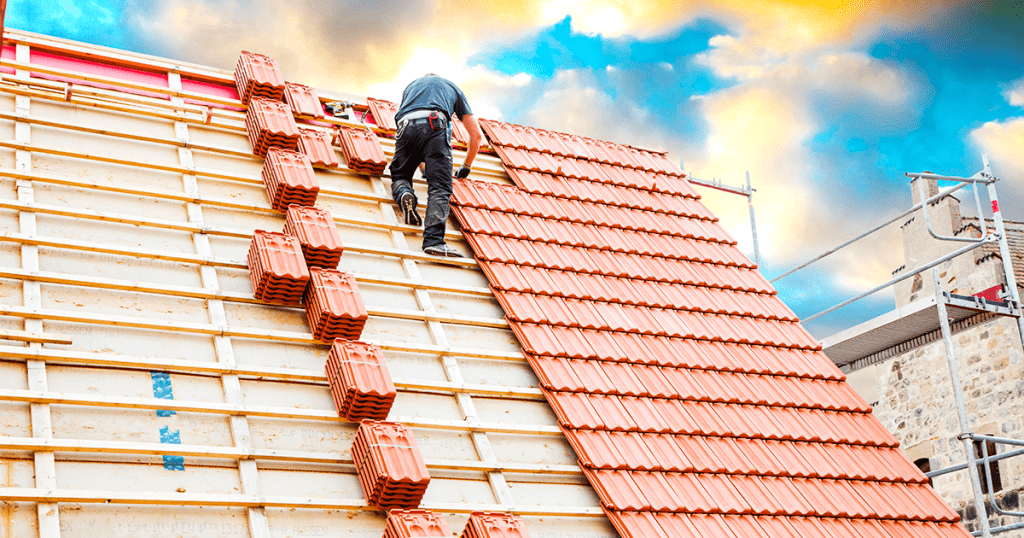
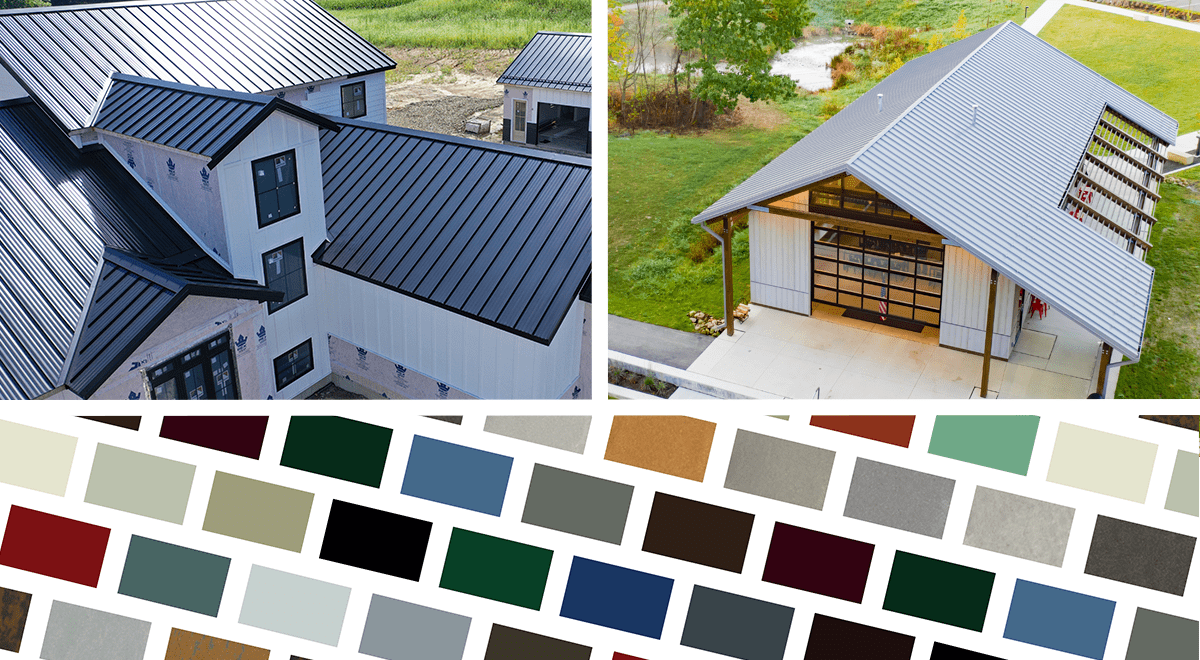
The type of roofing material you choose can also influence the timeline. Asphalt shingles are generally quicker to install compared to materials like tile or slate, which require more intricate work. Metal roofing, on the other hand, can be relatively fast to install due to its large panels.
4. Contractor’s Experience:
The expertise and experience of the roofing contractor you hire can impact the project’s timeline. Experienced contractors are typically more efficient and can work quickly while maintaining quality. It’s crucial to choose a reputable contractor with a track record of successful roof replacements.
5. Permits and Inspections:
Obtaining necessary permits and scheduling inspections can add time to the roof replacement process. The timeline for permit approval and inspection availability can vary depending on your location and local regulations.
Typical Roof Replacement Timelines:
On average, a standard roof replacement project can take anywhere from a few days to a couple of weeks to complete. Here’s a rough breakdown of the timeline:
- Preparation (1-2 days): This includes removing the old roofing materials, inspecting the roof deck for damage, and making any necessary repairs.
- Installation (2-5 days): The bulk of the work involves installing the new roofing materials, such as shingles or metal panels. The time required depends on the roof’s size and complexity.
- Cleanup and Inspection (1-2 days): After completing the installation, the roofing crew will clean up the debris and conduct a final inspection to ensure everything meets quality standards.
- Permit and Inspection (varies): The time required for obtaining permits and scheduling inspections can vary significantly depending on your location.
Conclusion: Planning for Your Roof Replacement
In conclusion, the duration of a roof replacement project varies based on several factors, including roof size, complexity, weather conditions, roofing material, contractor’s experience, and the permitting process. To ensure a smooth and timely roof replacement, it’s essential to work with a reputable contractor, plan for suitable weather conditions, and obtain any necessary permits in advance. By understanding the factors that influence the timeline, you can make informed decisions and properly prepare for your upcoming roof replacement project.
In this article, we’ve explored the factors that affect the timeline of a roof replacement project and provided a rough breakdown of the typical duration of each phase. Planning and preparation are key to a successful and timely roof replacement.
Leave a Reply