When it comes to choosing a roofing material, durability is a top priority for homeowners. You want a roof that not only provides protection but also stands the test of time. One roofing option that is renowned for its longevity is metal roofing. In this article, we will explore the factors that determine how long a metal roof will last, helping you make an informed decision for your home.
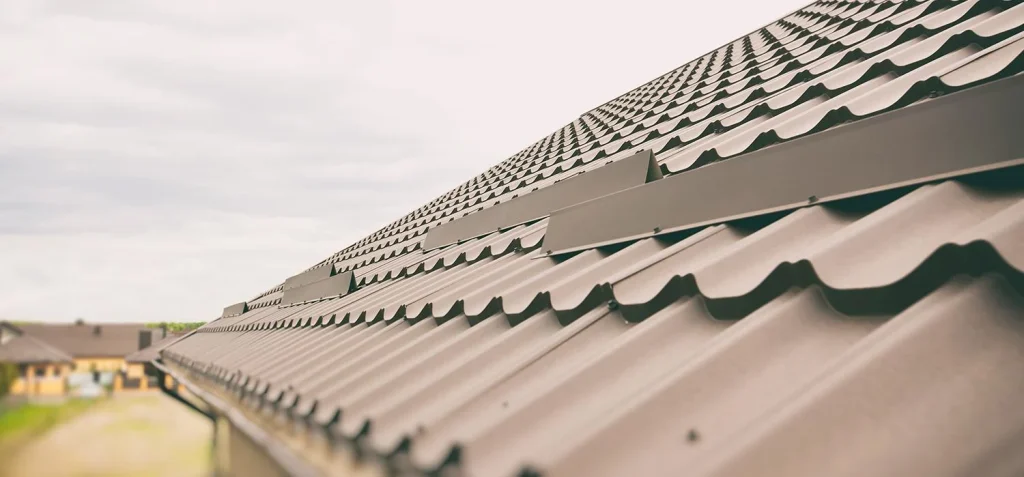
The Lifespan of Metal Roofing:
Metal roofing is often celebrated for its exceptional lifespan. Unlike some other roofing materials that may need replacement every couple of decades, a properly installed and maintained metal roof can last a lifetime. Let’s delve into the key factors that contribute to its longevity:
1. Material Quality:
The quality of the metal used for your roof is a crucial factor in determining its lifespan. High-quality metal roofing materials are less prone to corrosion and structural issues. Common metals used in roofing include steel, aluminum, copper, and zinc. Of these, copper and zinc are particularly renowned for their durability and resistance to rust.
2. Proper Installation:
A long-lasting metal roof starts with proper installation. It’s essential to hire experienced roofing contractors who are well-versed in working with metal roofing materials. Correct installation ensures that the roof is structurally sound and can withstand various weather conditions.
3. Maintenance and Coatings:
Regular maintenance plays a significant role in extending the lifespan of a metal roof. While metal roofs are low-maintenance compared to some other materials, it’s still essential to inspect them periodically for signs of wear, such as loose fasteners or damaged panels. Applying protective coatings can also help enhance their resistance to UV rays and corrosion.
4. Climate and Weather:
The climate in your area can influence how long your metal roof lasts. Metal roofs perform well in a variety of climates, but they excel in regions with heavy rainfall, snow, and extreme temperature fluctuations. They are highly resistant to moisture and are less likely to develop leaks or water damage.
5. Proper Ventilation:
Good ventilation in your attic or roof space can indirectly contribute to the longevity of your metal roof. Adequate ventilation helps regulate temperature and moisture levels, preventing issues like condensation that can affect the roof’s structure.
6. Impact Resistance:
Metal roofs are highly resistant to impacts from hail, falling branches, and debris. This resilience contributes to their longevity, as they are less likely to sustain damage that could lead to leaks or structural problems.
7. Eco-Friendly Choice:
Aside from their durability, metal roofs are eco-friendly. They often consist of recycled materials, and when replacement becomes necessary, the old metal can undergo recycling again, reducing environmental impact.
Conclusion: A Wise Investment
In conclusion, the question of “How long will a metal roof last?” can be answered with confidence: a properly installed and maintained metal roof can last 50 years or more. Certain metal roofs have a reputation for lasting up to a century. When you invest in a metal roof, you’re not only getting a durable and long-lasting roofing solution but also one that offers energy efficiency, low maintenance, and environmental benefits. If you’re looking for a roofing material that combines longevity with performance, metal roofing is a wise choice.
In this article, we’ve explored the various factors that determine the lifespan of a metal roof, highlighting the importance of quality materials, proper installation, and regular maintenance. A well-maintained metal roof can provide decades of reliable protection for your home.
Leave a Reply