Metal roofing is a popular choice for its durability, longevity, and energy efficiency. When considering a metal roof for your home or building, one of the questions that often arises is, “How much does a sheet of metal roofing weigh?” In this article, we will explore the factors that determine the weight of metal roofing sheets and provide insights into the various types of metal roofing materials available.
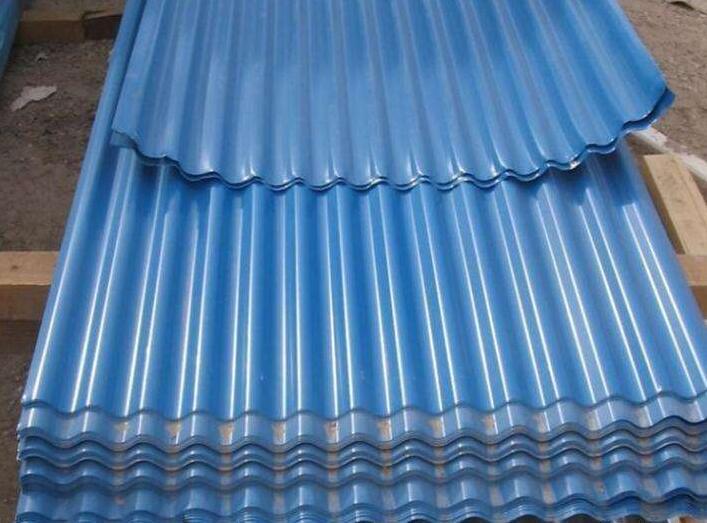
Understanding Metal Roofing Weight
The weight of a sheet of metal roofing can vary significantly based on several factors, including the type of metal used, the thickness of the material, and the sheet’s dimensions. Here’s a breakdown of these factors:
1. Type of Metal
The type of metal used for roofing plays a crucial role in determining the weight. Common metals used for roofing include steel, aluminum, and copper. Each of these metals has different weight properties. For instance, steel is heavier than aluminum, and copper is even denser than steel. Therefore, the type of metal you choose will impact the overall weight of your metal roofing.
2. Thickness of the Material
The thickness, often referred to as the gauge, of the metal roofing material can vary. Thicker gauges are heavier, while thinner gauges are lighter. The gauge is typically measured in numbers, with smaller numbers indicating thicker material. For example, a 22-gauge sheet is thicker and heavier than a 29-gauge sheet.
3. Sheet Dimensions
The dimensions of the metal roofing sheet also play a role in determining its weight. Larger sheets will naturally weigh more than smaller ones. Roofing sheets come in various lengths and widths, and the choice of dimensions can impact the overall weight of the roofing material.
The Weight of Common Metal Roofing Materials
To give you a better idea of the weight differences among various metal roofing materials, here is a general range of the weight per square foot for some common options:
- Steel Roofing: Steel is a widely used roofing material due to its affordability and strength. Steel roofing sheets typically weigh between 1.2 to 2.5 pounds per square foot, depending on the gauge and type of steel used.
- Aluminum Roofing: Aluminum is known for its lightweight properties. Aluminum roofing sheets typically weigh between 0.7 to 1.2 pounds per square foot. This makes aluminum an excellent choice for reducing the overall weight on a roof structure.
- Copper Roofing: Copper is a premium roofing material known for its distinctive appearance and longevity. However, it is heavy. Copper roofing sheets can weigh between 2.5 to 3.0 pounds per square foot, making them one of the heaviest options.
- Other Metals: There are also specialty metals like zinc and stainless steel used for roofing. The weight of these materials can vary, but they generally fall within the weight range of the materials mentioned above.
Considerations When Choosing Metal Roofing
When choosing a metal roofing material, it’s essential to consider the weight in the context of your specific project. Here are a few considerations:
1. Structural Capacity: Ensure that your roof’s structure can support the weight of the selected metal roofing material. If necessary, consult with a structural engineer to assess your roof’s capacity.
2. Installation Costs: Heavier roofing materials may require additional support structures or reinforcements, which can add to the installation costs.
3. Climate and Weather Conditions: Consider your local climate. Some metals may be more suitable for areas with high humidity or salt exposure due to their corrosion-resistant properties.
4. Aesthetic and Longevity: Balance the weight considerations with your desired aesthetic and the expected longevity of the roofing material. Copper, for example, is heavy but offers exceptional durability and a unique appearance.
Conclusion
The weight of a sheet of metal roofing depends on the type of metal, its thickness, and the sheet’s dimensions. When choosing a metal roofing material, it’s essential to consider the weight in relation to your project’s specific requirements, including structural capacity, installation costs, and the local climate. Understanding the factors that influence the weight of metal roofing sheets will help you make an informed decision and ensure the long-term performance of your roof.

Leave a Reply