A roof replacement is a significant investment in your home, and it’s essential to ensure the process goes smoothly. While it’s a necessary step to maintain the integrity of your home and protect it from the elements, there are various potential challenges and issues that can arise during a roof replacement. In this article, we will explore what can go wrong during a roof replacement and how to avoid or address these issues to ensure a successful and stress-free project.
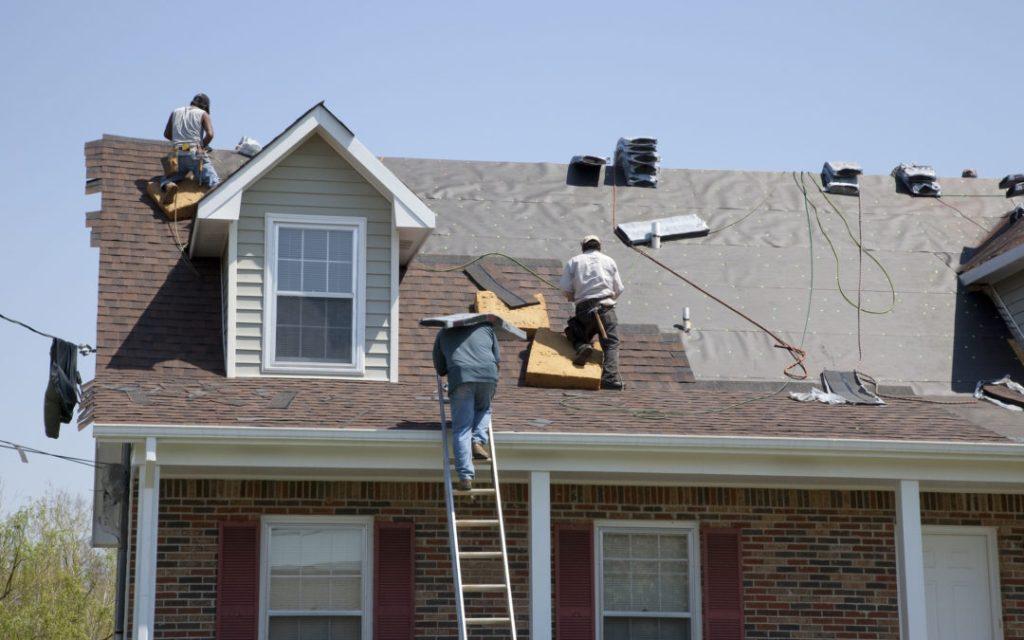
Common Challenges During a Roof Replacement
- Weather Delays: One of the most common challenges is unpredictable weather. Rain, strong winds, or extreme temperatures can disrupt the roofing process, causing delays. Roofing materials, especially asphalt shingles, require specific conditions for installation. Wet or frozen surfaces can affect the quality of the installation and the final result.
- Unforeseen Structural Issues: Once the old roofing material is removed, underlying structural issues may be uncovered. This can include rotting wood, damaged rafters, or issues with the roof deck. Addressing these issues may prolong the project timeline and increase costs.
- Inadequate Ventilation: Proper ventilation is crucial for the longevity of your new roof. Inadequate ventilation can lead to moisture buildup in the attic, which can result in mold growth and damage to the roof structure. Ensure your contractor addresses ventilation concerns during the replacement.
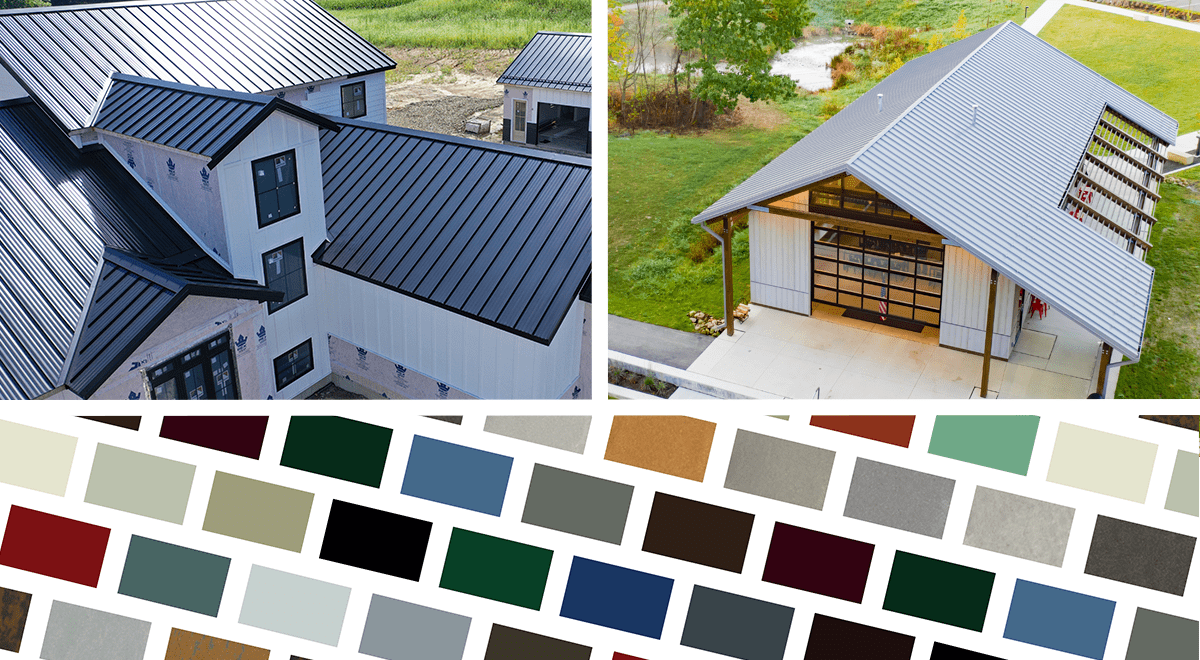
- Mismatched or Defective Materials: Sometimes, roofing contractors may unintentionally use mismatched or defective materials. This can include the wrong type or color of shingles, improper flashing, or subpar underlayment. It’s essential to communicate clearly with your contractor about the materials specified in your contract.
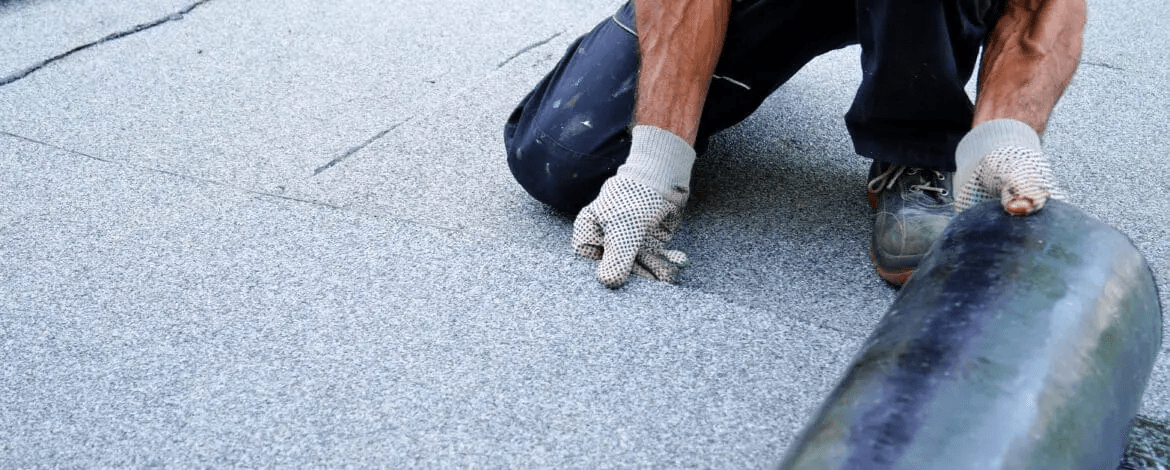
- Poor Workmanship: The quality of the installation is paramount to the roof’s performance and lifespan. Sloppy workmanship can lead to leaks, improper sealing, and a roof that doesn’t meet industry standards. Be sure to hire a reputable roofing contractor with a track record of quality work.
How to Avoid Roof Replacement Pitfalls
- Choose the Right Contractor: Research and select a reputable roofing contractor with proper licensing, insurance, and positive customer reviews. Ask for references and check their previous work to ensure they have a history of quality installations.
- Plan for Weather Delays: Discuss potential weather-related delays with your contractor and have a contingency plan in place. Roofing projects are best undertaken during dry and mild weather conditions.
- Thorough Inspection: Before signing any contracts, have your existing roof thoroughly inspected. This can help identify any existing structural issues that may need to be addressed during the replacement.
- Clear Communication: Maintain open and clear communication with your contractor throughout the project. Regular updates and discussions can help prevent misunderstandings and ensure the project stays on track.
- Quality Materials: Specify the use of high-quality roofing materials in your contract. Ensure that the materials are the correct type, color, and brand as agreed upon.
- Ventilation Considerations: Discuss ventilation requirements with your contractor and make sure that proper ventilation is installed to prevent attic moisture issues.
Conclusion
A roof replacement is a significant undertaking, and while challenges may arise, they can be effectively managed with careful planning and the right contractor. By addressing potential issues proactively, you can minimize the likelihood of setbacks and ensure that your new roof is a durable, weather-resistant asset that protects your home for years to come. Remember that investing in a high-quality roof replacement today can save you from costly repairs and headaches down the road.
Leave a Reply