Is There a Tax Credit for Installing a Metal Roof? Homeowners today are often looking for ways to enhance the energy efficiency and durability of their homes while also saving on long-term costs. One way to achieve these goals is by installing a metal roof. Not only does a metal roof offer longevity and energy efficiency, but it can also provide potential tax benefits. In this article, we’ll explore whether there is a tax credit available for homeowners who choose to install a metal roof and how you can take advantage of this opportunity.
Understanding the Benefits of a Metal Roof
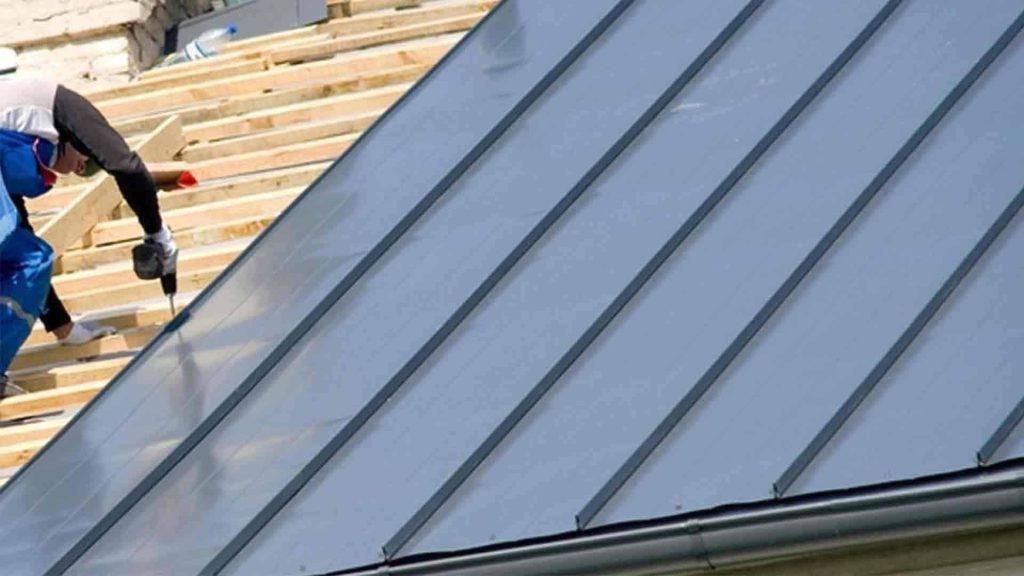
Before delving into the topic of tax credits, it’s essential to understand the advantages of a metal roof. Here are a few key benefits:
- Longevity: Metal roofs are known for their exceptional durability, often lasting 50 years or more.
- Energy Efficiency: They reflect the sun’s rays, reducing heat gain and helping to maintain a cooler indoor temperature.
- Low Maintenance: Metal roofs require minimal maintenance, saving you time and money in the long run.
- Environmentally Friendly: Many metal roofs are made from recycled materials and are fully recyclable at the end of their life.
- Resistant to Weather: Metal roofs can withstand harsh weather conditions, including heavy snow, hail, and strong winds.
Tax Credits for Energy-Efficient Home Improvements
The U.S. government has encouraged homeowners to make energy-efficient upgrades to their homes by offering tax incentives. These incentives are designed to not only help homeowners save on energy costs but also reduce the overall energy consumption of the nation. While tax credits can vary from year to year, certain federal tax credits have been available to homeowners who make qualifying energy-efficient improvements, including those related to roofing.
Energy-Efficient Tax Credits in the Past
In the past, homeowners who installed energy-efficient metal roofing systems with specific reflective properties could qualify for a federal tax credit. The tax credit was part of the Energy Policy Act of 2005 and provided a financial incentive to encourage the use of energy-efficient roofing materials. Homeowners who installed qualifying metal roofs could claim a tax credit for 10% of the cost of the roofing materials, up to a maximum of $500. This credit applied to improvements made from January 1, 2006, through December 31, 2021.
Changes in Tax Credits
It’s important to note that tax credits can undergo changes from year to year as new legislation actively passes. The federal tax credit for energy-efficient home improvements, including roofing, has undergone changes. As of the knowledge cutoff date in September 2021, the tax credit for residential energy efficiency improvements, such as metal roofing, was not available for the tax years 2022 and 2023.
However, it’s essential to stay updated with current tax laws and consult with a tax professional or the Internal Revenue Service (IRS) to confirm the latest information on tax credits for energy-efficient home improvements.
State and Local Incentives
While the federal tax credit for energy-efficient roofing may not be available during certain years, homeowners should also explore potential incentives at the state and local levels. Some states offer their own tax credits, rebates, or incentives for energy-efficient home improvements, including roofing. These incentives can vary widely, so it’s advisable to check with your state’s energy office or a local authority to determine what options may be available in your area.
Conclusion
Installing a metal roof can offer a range of benefits, from durability to energy efficiency. While federal tax credits for energy-efficient roofing were available in the past, they may not be applicable in certain years. However, homeowners should explore state and local incentives that may still offer financial benefits for choosing energy-efficient roofing solutions. Before making any decisions, actively consult a tax professional to ensure you actively inform yourself about the latest tax credit opportunities and how they can actively benefit you as a homeowner.
Leave a Reply