When planning a roofing project, especially one involving standing seam metal roofing, knowing the specifics is crucial. One of the most common questions homeowners and contractors ask is, “How wide is standing seam metal roofing?” This article will delve into the details of standing seam metal roofing, including its typical widths, benefits, installation considerations, and why it has become a popular choice for modern homes.
What Is Standing Seam Metal Roofing?
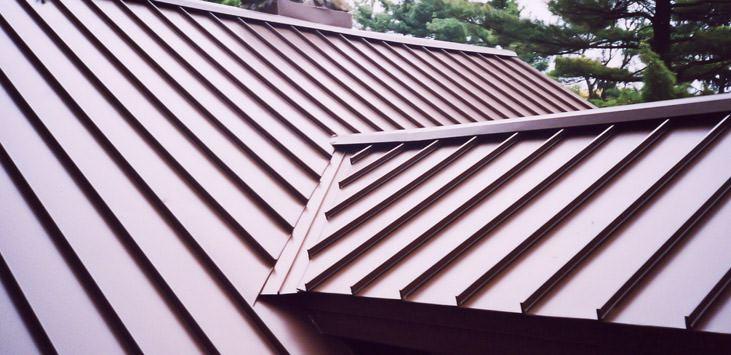
Standing seam metal roofing is a type of metal roof characterized by raised seams that run vertically from the roof’s ridge to the eaves. These seams are typically 1 to 2 inches high and are where the metal panels are joined together. The design of standing seam metal roofing provides a sleek, modern appearance and offers excellent weather-tight performance.
How Wide Is Standing Seam Metal Roofing?
Standard Widths
The width of standing seam metal roofing panels can vary based on the manufacturer and specific project requirements. However, standard widths typically range from 12 to 24 inches. Here’s a breakdown of common widths:
- 12 inches: Narrow panels are often used for smaller or more intricate roofing designs.
- 16 inches: A popular choice for residential projects due to its balance of aesthetics and coverage.
- 18 inches: Common for both residential and commercial applications.
- 24 inches: Widely used in commercial projects where larger panels are preferable for coverage and cost-efficiency.
Custom Widths
Many manufacturers offer custom widths to accommodate unique architectural designs or specific project needs. Custom widths can be beneficial for matching existing roofing or achieving a particular aesthetic.
Benefits of Standing Seam Metal Roofing
Durability
One of the most significant benefits of standing seam metal roofing is its durability. Metal roofs can last 50 years or more with proper maintenance, far outlasting traditional asphalt shingles. They are resistant to weather, fire, and pests, making them an excellent long-term investment.
Energy Efficiency
Metal roofs reflect solar radiant heat, reducing cooling costs by up to 25%. This energy efficiency is especially beneficial in hot climates, where air conditioning expenses can be high.
Low Maintenance
Standing seam metal roofs require minimal maintenance compared to other roofing materials. The concealed fasteners reduce the risk of leaks and corrosion, and the panels’ smooth surface helps shed snow and rain effectively.
Aesthetic Appeal
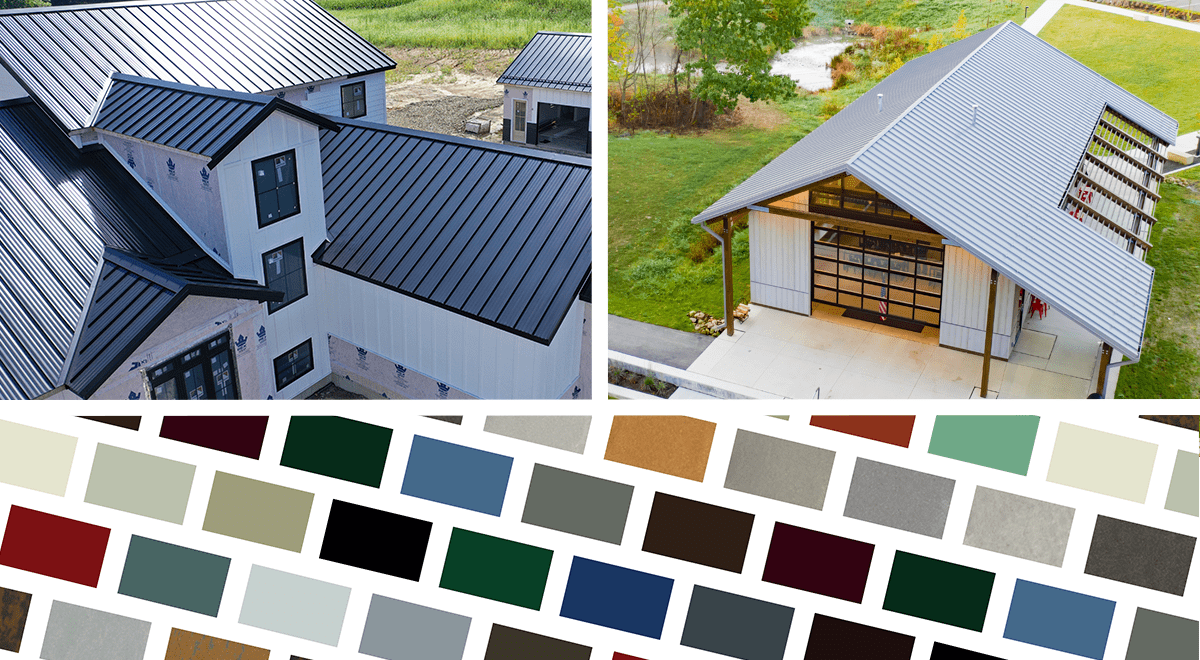
Standing seam metal roofing offers a modern, sleek look that can enhance the architectural style of any home or building. It comes in various colors and finishes, allowing for customization to match your aesthetic preferences.
How Wide Is Standing Seam Metal Roofing: Installation Considerations
Panel Width Selection
When selecting the panel width for your standing seam metal roof, consider the following factors:
- Roof Slope: Steeper slopes may benefit from narrower panels to reduce the risk of oil canning (visible waviness in the metal panels).
- Aesthetic Preference: Wider panels create a bold, clean look, while narrower panels offer a more detailed appearance.
- Structural Requirements: The width of the panels can affect the roof’s structural integrity. Consult with a structural engineer or roofing professional to determine the best width for your project.
Types of Standing Seam Metal Roofing
There are several types of standing seam metal roofing, each with its own installation method and aesthetic. The most common types include:
- Snap-Lock: Panels snap together without the need for additional fasteners. This type is easier to install and suitable for roofs with a pitch of 3:12 or greater.
- Mechanical Lock: Panels are mechanically seamed together, providing a more secure and weather-tight seal. This type is ideal for low-slope roofs.
- Batten Panel: Panels are attached to a batten, creating a raised seam. This type offers a distinctive look and is often used in historic or high-end architectural designs.
Underlayment and Insulation
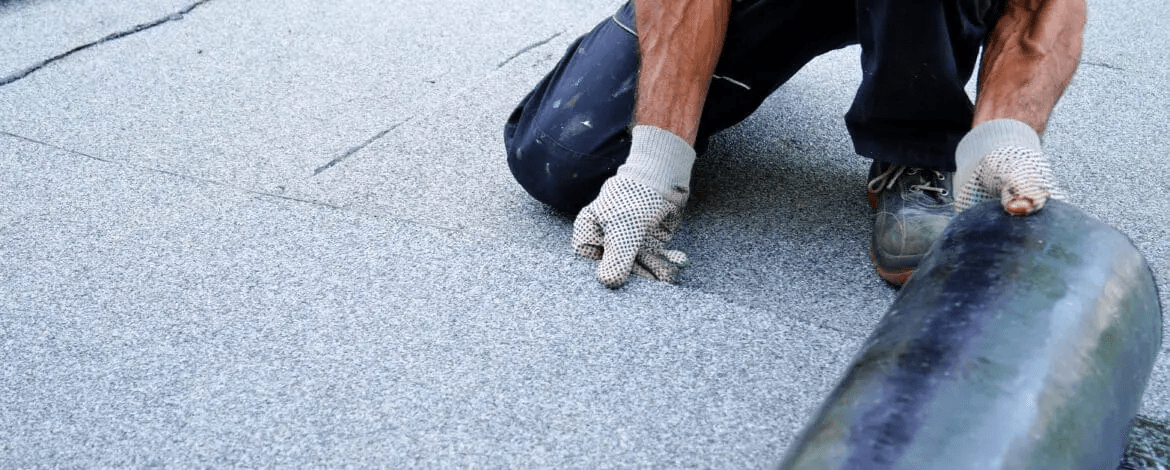
Proper underlayment and insulation are crucial for the performance of standing seam metal roofing. High-quality underlayment provides an additional layer of protection against moisture, while insulation helps improve energy efficiency. Consider using synthetic underlayment for its durability and resistance to UV rays.
Ventilation
Adequate ventilation is essential to prevent moisture buildup and ensure the longevity of your metal roof. Ridge vents, soffit vents, and gable vents can help maintain proper airflow and reduce the risk of condensation.
Environmental Benefits
Standing seam metal roofing is an environmentally friendly option for several reasons:
- Recyclability: Metal roofing materials are often made from recycled content and are 100% recyclable at the end of their life.
- Energy Savings: The reflective properties of metal roofing reduce energy consumption, lowering your carbon footprint.
- Sustainability: Metal roofs have a long lifespan, reducing the need for frequent replacements and the associated environmental impact.
Read too: Decoding Timelines: How Long Does It Take To Replace A Roof and What to Expect
Conclusion
Understanding how wide standing seam metal roofing panels are is essential for planning your roofing project. Standard widths range from 12 to 24 inches, with custom options available to meet specific needs. The benefits of standing seam metal roofing, including durability, energy efficiency, low maintenance, and aesthetic appeal, make it a top choice for both residential and commercial applications. By considering panel width, installation methods, underlayment, insulation, and ventilation, you can ensure a successful and long-lasting roofing solution.
Leave a Reply