A metal roof is a significant investment for any home or building, known for its durability and longevity. Homeowners often wonder, how long does a metal roof last? This article delves into the factors affecting the lifespan of metal roofs, maintenance tips to extend their durability, and why they are a popular choice among property owners.
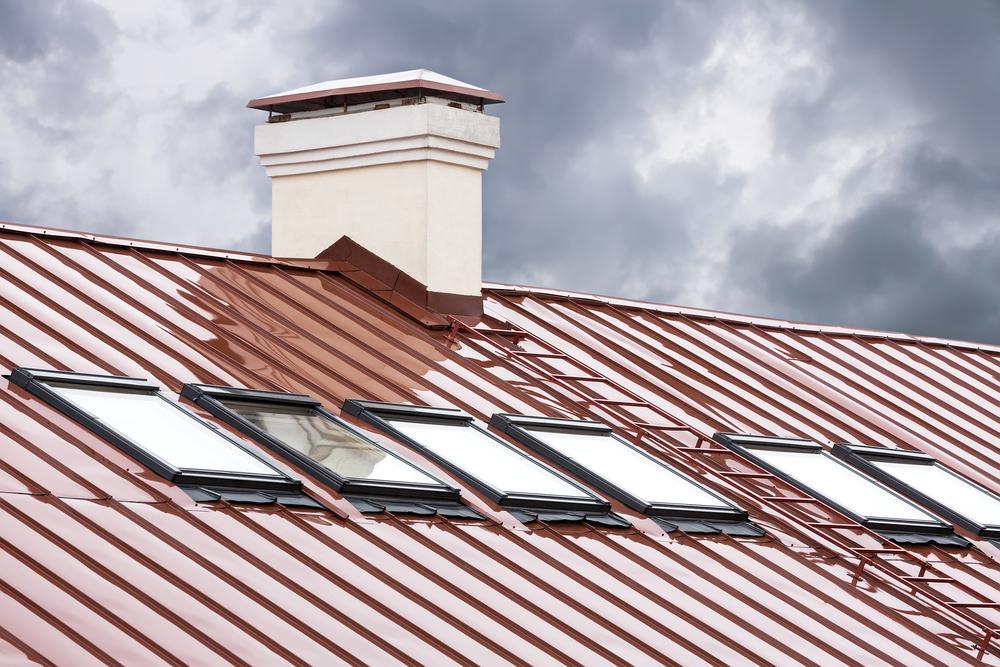
Factors Influencing How Long Does A Metal Roof Last
Several factors determine the lifespan of a metal roof:
- Material Quality: The type of metal used, such as steel, aluminum, or copper, impacts longevity. High-quality materials typically last longer.
- Installation: Proper installation by experienced professionals ensures the roof performs optimally and withstands environmental challenges.
- Climate: Harsh weather conditions like extreme heat, cold, hail, and heavy rain can affect roof durability.
- Maintenance: Regular inspections and maintenance help identify issues early and prevent premature wear and tear.
Lifespan of Different Metal Roof Types
Different types of metal roofs have varying lifespans:
- Steel Roofing: Typically lasts 30-50 years depending on the coating and maintenance.
- Aluminum Roofing: Known for corrosion resistance, it can last 40-70 years with proper care.
- Copper Roofing: Exceptionally durable, copper roofs can last over 100 years, developing a unique patina over time.
Maintenance Tips to Extend the Lifespan
To maximize the longevity of your metal roof:
- Regular Inspections: Check for signs of damage, loose fasteners, or corrosion.
- Clear Debris: Keep gutters and roof surfaces clear of debris to prevent water pooling.
- Address Repairs Promptly: Fix any issues promptly to prevent them from escalating.
- Apply Protective Coatings: Reapply protective coatings as recommended to enhance weather resistance.
Benefits of Choosing a Metal Roof
Homeowners opt for metal roofs due to several advantages:
- Longevity: They outlast many traditional roofing materials.
- Durability: Resistant to fire, mildew, insects, and rot.
- Energy Efficiency: Reflective coatings can reduce cooling costs in hot climates.
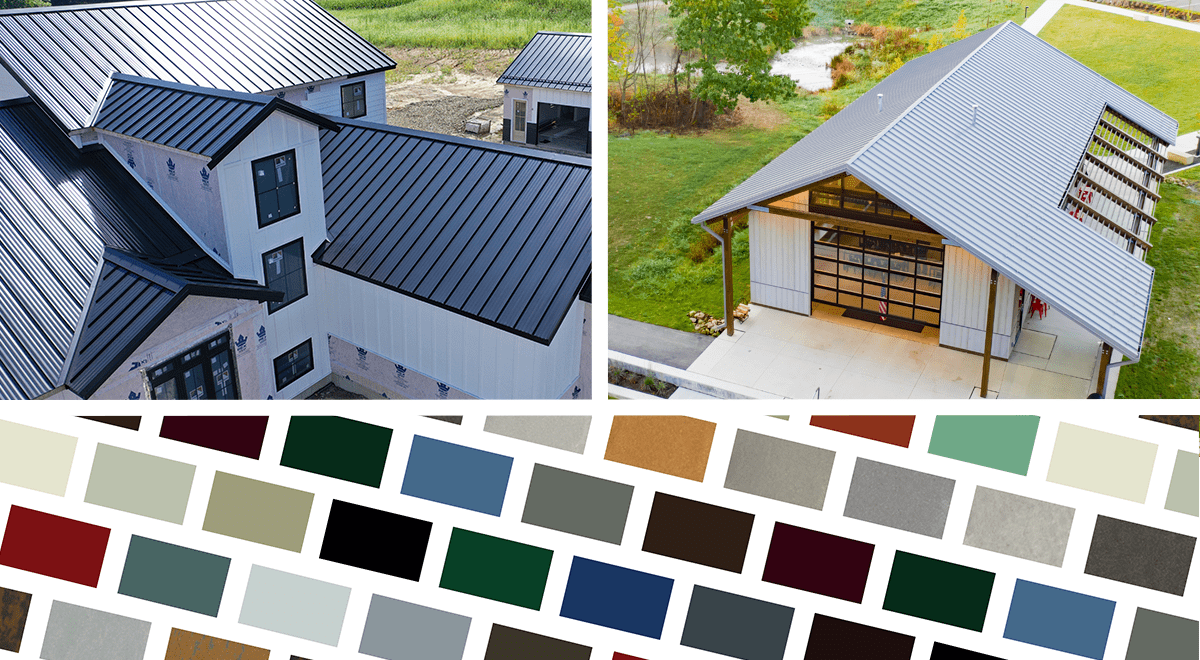
- Aesthetic Appeal: Available in various styles and colors to complement any architectural design.
Read too: Is It Reasonable to Ask the Seller to Replace the Roof?
Conclusion
When deciding on a roofing material, understanding how long does a metal roofs last is crucial. Factors like material quality, installation, and maintenance significantly impact its lifespan. With proper care, a metal roof can offer decades of protection and performance for your home or building.
Leave a Reply