When it comes to maintaining your home, replacing your roof is one of the most significant and impactful projects you can undertake. However, one of the most common questions homeowners have is, “How long does a roof replacement take?” This article will delve into the factors that influence the timeline for roof replacement, what to expect during the process, and tips for ensuring a smooth and efficient project.
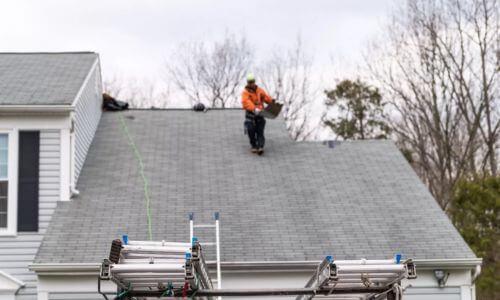
Factors Influencing Roof Replacement Time
Size of the Roof
The size of your roof is one of the primary factors that determine how long the replacement will take. Larger roofs require more materials and labor, which naturally extends the time needed for completion.
Type of Roofing Material
Different roofing materials have varying installation processes and times. For example:
- Asphalt Shingles: These are the most common roofing materials and are relatively quick to install. A standard asphalt shingle roof can often be replaced in 1-3 days.
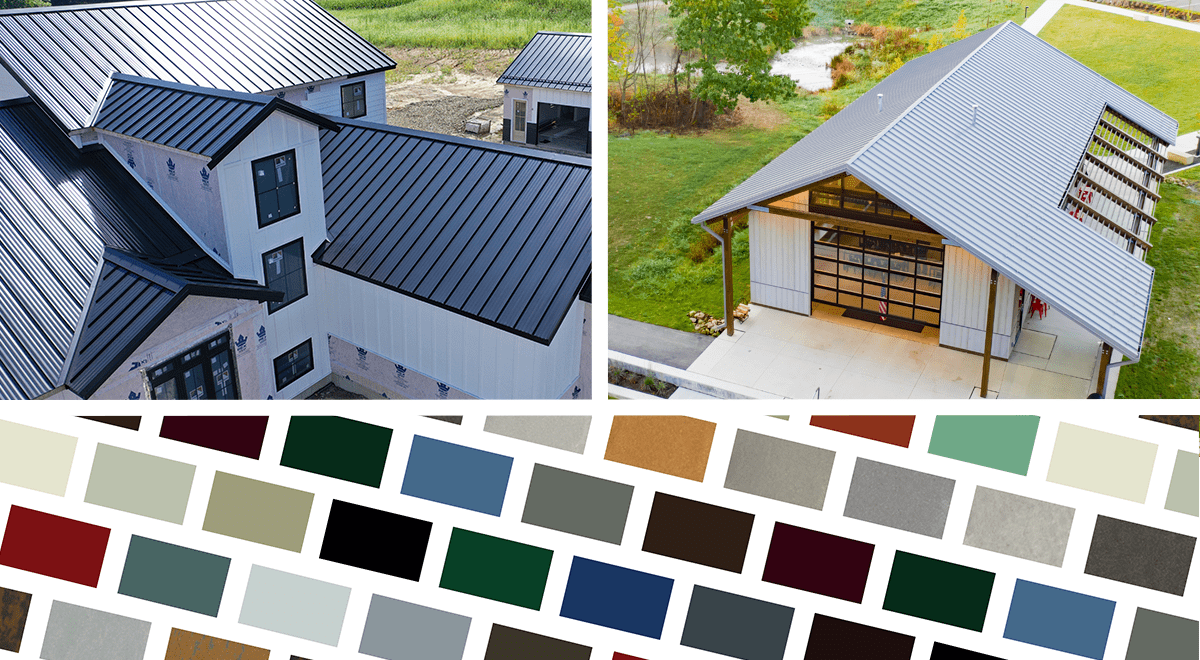
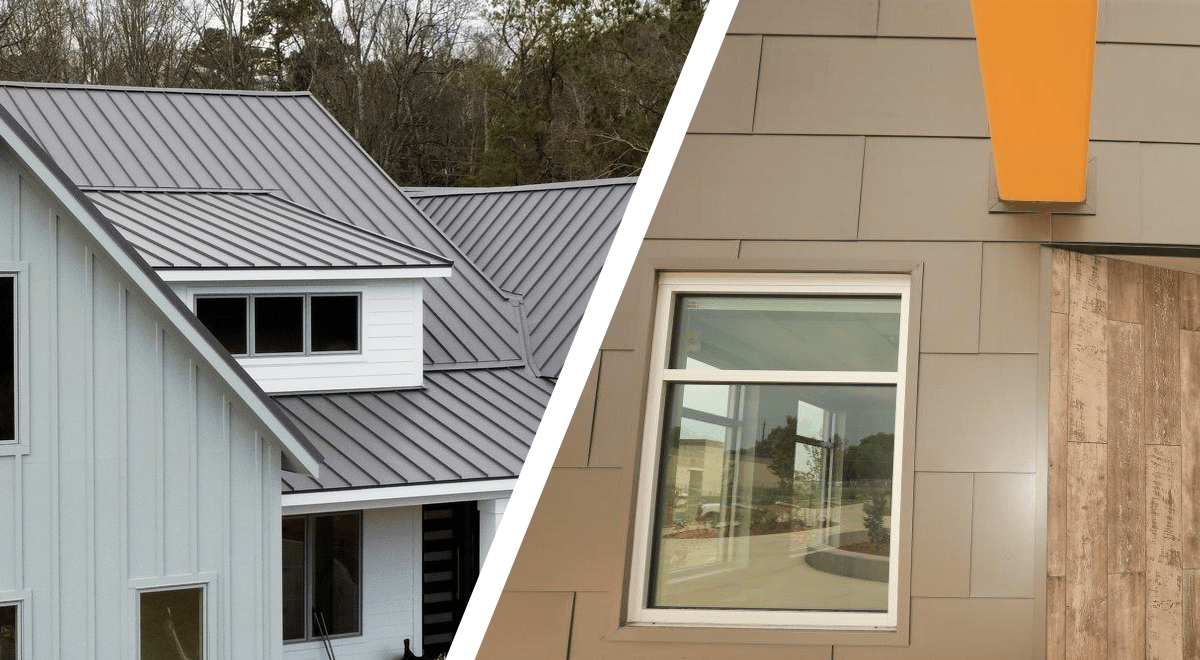
- Metal Roofing: Metal roofs take longer to install due to the need for precise cutting and fitting. Expect this process to take around 2-4 days.
- Tile Roofing: Tile roofs are more labor-intensive and can take anywhere from 5-14 days, depending on the complexity of the roof design.
- Wood Shingles/Shakes: Installing wood shingles or shakes can take 3-8 days.
Read too: Is It Reasonable to Ask the Seller to Replace the Roof?
Weather Conditions
Weather plays a significant role in determining the duration of a roof replacement. Rain, snow, high winds, and extreme temperatures can delay the process. Ideally, roof replacements are scheduled during mild weather conditions to avoid these interruptions.
Roof Complexity
The complexity of your roof’s design can also affect the timeline. Roofs with multiple facets, steep pitches, or unique architectural features require more time and careful attention during installation.
Existing Roof Condition
If your existing roof has significant damage, such as extensive water damage or rot, additional time will be needed for repairs before the new roof can be installed. Removing old roofing materials and addressing underlying issues can add a few days to the project timeline.
Crew Size and Experience
The size and experience level of the roofing crew can impact how quickly the work is completed. A larger, more experienced crew can replace a roof faster than a smaller, less experienced team.
The Roof Replacement Process
Initial Consultation and Inspection
The first step in the roof replacement process is an initial consultation with a roofing contractor. During this meeting, the contractor will inspect your roof, assess its condition, and provide an estimate for the replacement. This step typically takes a few hours to a day.
Obtaining Permits
Depending on local regulations, you may need to obtain permits before replacing your roof. This process can take anywhere from a few days to a couple of weeks. Your roofing contractor will usually handle this on your behalf.
Material Selection and Ordering
Once you’ve decided on the roofing material, the contractor will order the necessary supplies. The time frame for this step depends on the material availability and can range from a few days to a few weeks.
Preparing the Site
Before the actual replacement begins, the worksite must be prepared. This includes delivering materials, setting up scaffolding, and protecting landscaping and outdoor furniture. This step typically takes 1-2 days.
Removing the Old Roof
The first major task is to remove the old roofing materials. This process involves stripping off the old shingles, underlayment, and any damaged decking. Depending on the size and condition of your roof, this can take 1-2 days.
Repairing the Roof Deck
After the old roof is removed, the contractor will inspect the roof deck for any damage. If any repairs are needed, they will be made at this stage. This can add another day or two to the project timeline.
Installing the New Roof
The installation of the new roof begins with laying down the underlayment, followed by the new roofing materials. As mentioned earlier, the time required for this step varies based on the type of material being used and the complexity of the roof.
Final Inspection and Cleanup
Once the new roof is installed, the contractor will conduct a final inspection to ensure everything is properly installed and there are no issues. The worksite will then be cleaned up, including removing any debris and equipment. This step typically takes 1-2 days.
How Long Does A Roof Replacement Take: Typical Timelines
To provide a general idea of how long a roof replacement might take, here are some typical timelines based on different scenarios:
- Small, Simple Roof with Asphalt Shingles: 1-3 days
- Medium-Sized Roof with Asphalt Shingles: 2-4 days
- Large Roof with Asphalt Shingles: 3-5 days
- Metal Roof Installation: 2-4 days
- Tile Roof Installation: 5-14 days
- Wood Shingles/Shakes Installation: 3-8 days
These timelines are approximate and can vary based on the factors discussed earlier.
Tips for a Smooth Roof Replacement Process
Choose an Experienced Contractor
Selecting an experienced and reputable roofing contractor is crucial for a smooth and timely roof replacement. Look for contractors with positive reviews, proper licensing, and insurance coverage.
Plan Ahead
Schedule your roof replacement during a period with favorable weather conditions to avoid delays. Additionally, consider any events or activities that might be impacted by the roofing work and plan accordingly.
Communicate with Your Contractor
Maintain open communication with your contractor throughout the project. This will help you stay informed about the progress and address any issues that arise promptly.
Prepare Your Home
Before the work begins, take steps to protect your property. Move outdoor furniture and vehicles away from the work area, and cover plants and landscaping. Inside your home, secure any fragile items and cover furniture to protect against dust and debris.
Be Flexible
While it’s important to have a timeline in mind, be prepared for potential delays due to unforeseen circumstances such as weather or unexpected repairs. Flexibility will help reduce stress and ensure the project is completed to the highest standard.
Conclusion
Understanding how long a roof replacement takes involves considering various factors, including the size and complexity of your roof, the type of roofing material, weather conditions, and the experience level of the roofing crew. By planning ahead and working with a reputable contractor, you can ensure a smooth and efficient roof replacement process.
Replacing your roof is a significant investment in your home’s future. By being informed about the timeline and steps involved, you can confidently navigate the process and enjoy the benefits of a new, durable, and attractive roof.

Leave a Reply