Metal roofs are durable, energy-efficient, and increasingly popular among homeowners looking for long-lasting protection. However, one common issue with metal roofing—especially in regions with heavy rainfall—is managing water runoff. If you’re wondering how do you get water away from house metal roof, you’re not alone.
Improper water management can lead to a host of problems: foundation damage, erosion, basement flooding, and even long-term structural issues. In this in-depth guide, we’ll explore practical strategies, tools, and installation tips to ensure your metal roof keeps water where it belongs—away from your home.
Read too: Is It Reasonable to Ask the Seller to Replace the Roof?
Why Metal Roofs Handle Water Differently
Metal roofs, by design, shed water very quickly. The slick surface and interlocking panels promote fast runoff during rain. This is a benefit, but also a challenge. If you don’t have the right drainage systems in place, large volumes of water can accumulate near the base of your home or even back up onto the roof, risking water intrusion.
That’s why it’s essential to design a comprehensive water drainage plan from roof to ground.
How Do You Get Water Away From House Metal Roof Safely and Effectively?
Let’s break down the best practices and essential components you need to divert water away from your house with a metal roof installed.
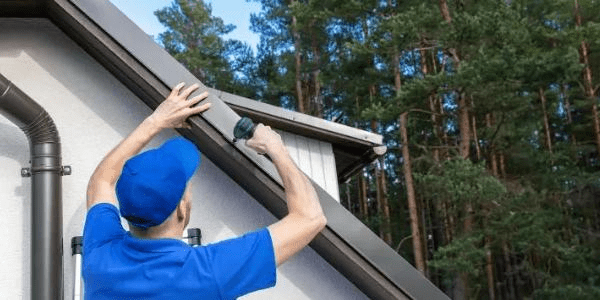
1. Install Seamless Gutters Designed for Metal Roofs
One of the most important answers to how do you get water away from house metal roof is installing a gutter system that’s compatible with metal roofing. Unlike asphalt shingles, metal roofs shed water faster, which puts additional stress on your gutters.
Key tips:
- Use high-capacity seamless gutters: They minimize leaks and are built for the higher volume of runoff.
- Install with heavy-duty brackets: Metal roof runoff can be powerful; reinforced gutters prevent sagging or detachment.
- Ensure proper slope: A slope of 1/4 inch per 10 feet ensures gravity carries the water to the downspouts efficiently.
2. Add Gutter Guards or Splash Guards
Because of the high-velocity runoff from metal roofs, water may overshoot standard gutters, especially in heavy rain. To prevent this:
- Gutter guards: These keep debris out, reducing the risk of clogging and overflow.
- Splash guards: Installed on the inside corners of gutters, splash guards stop water from shooting over the edge during a storm.
3. Strategically Place Downspouts and Drainage Pipes
Even with perfect gutters, if the water isn’t guided away from your house, your foundation is still at risk.
Downspout placement tips:
- Place downspouts at low points in the gutter system.
- Install downspout extensions to divert water at least 4–6 feet away from the home.
- For sloped properties, use buried drainage pipes or French drains to guide runoff downslope.
4. Install Drip Edge Flashing and Valley Flashing
Water can seep underneath panels if flashing isn’t installed correctly. Flashing is a thin metal sheet installed around roof edges, valleys, and penetrations (chimneys, skylights) to keep water out.
- Drip edge flashing: Prevents water from getting under roof panels and directs it into the gutters.
- Valley flashing: Essential where two roof slopes meet. It channels water effectively down into gutters without causing pooling.
Flashings must be rust-resistant and tightly sealed to avoid leaks.
5. Check Roof Slope and Pitch Compatibility
The pitch (or slope) of your roof dramatically affects how water drains. While metal roofs work well on low-pitch roofs, if it’s too flat or too steep without proper drainage elements, you’ll encounter issues.
- For low slopes, consider standing seam metal roofing, which seals more tightly and directs water effectively.
- On steep slopes, reinforce gutter systems to manage increased water speed.
6. Use a Rain Diverter If Gutters Aren’t Practical
If your home’s architecture or aesthetic doesn’t support full gutters—common in cabin-style homes or older architecture—rain diverters are an alternative.
A rain diverter is a small piece of angled flashing installed above doors or entryways. It redirects water to the sides, keeping walkways dry and preventing puddles near foundations.
7. Landscape for Drainage
The area surrounding your home is just as important in water management as the roof itself.
Tips for landscaping to move water away:
- Grade the soil so it slopes away from the house (6 inches over 10 feet is standard).
- Install gravel trenches or swales to direct water.
- Use rain gardens: Strategically planted areas designed to absorb runoff and reduce erosion.
8. Maintain Your Roof and Gutter System Regularly
Even the best-designed systems can fail without maintenance. At least twice a year, do the following:
- Clean out gutters and downspouts.
- Check for loose or damaged flashing.
- Inspect the sealant around joints and penetrations.
- Look for signs of rust or corrosion.
Preventive maintenance goes a long way in ensuring long-term performance of your drainage system.
9. Consider a Rainwater Collection System
A bonus approach to managing water from your metal roof is harvesting rainwater.
Metal roofs are ideal for rainwater collection because they don’t leach chemicals. Set up a rain barrel or a full cistern system at the base of downspouts to collect water for:
- Garden irrigation
- Lawn care
- Emergency water supply
This not only gets water away from your house, but also promotes sustainability.
10. Hire a Professional for Complex Drainage Issues
If you’ve tried several solutions and still notice water pooling near your foundation or seeping into your basement, it’s time to consult a roofing contractor or drainage specialist. They can:
- Redesign your gutter and drainage system
- Evaluate your soil and grading
- Recommend custom flashing or diverter solutions
It’s an investment that protects your home long-term.
Common Problems from Poor Water Management on Metal Roofs
If water isn’t managed properly, you may encounter:
- Foundation cracks from hydrostatic pressure
- Basement leaks and mold
- Erosion of landscaping and soil
- Ice dams in colder regions
- Damage to siding and trim from splashing
These issues are not just cosmetic—they can become expensive structural problems if ignored.
Final Thoughts: Take Water Runoff Seriously with Metal Roofs
So, how do you get water away from house metal roof efficiently? The answer lies in a combination of proper installation, intelligent drainage planning, and ongoing maintenance.
Whether you’re building a new home or retrofitting an older property, be proactive. Design a system that accommodates your metal roof’s characteristics, considers the landscape, and channels water away from the base of your home.
Not only will this protect your investment, but it will also extend the life of your roof, foundation, and surrounding property.
Leave a Reply