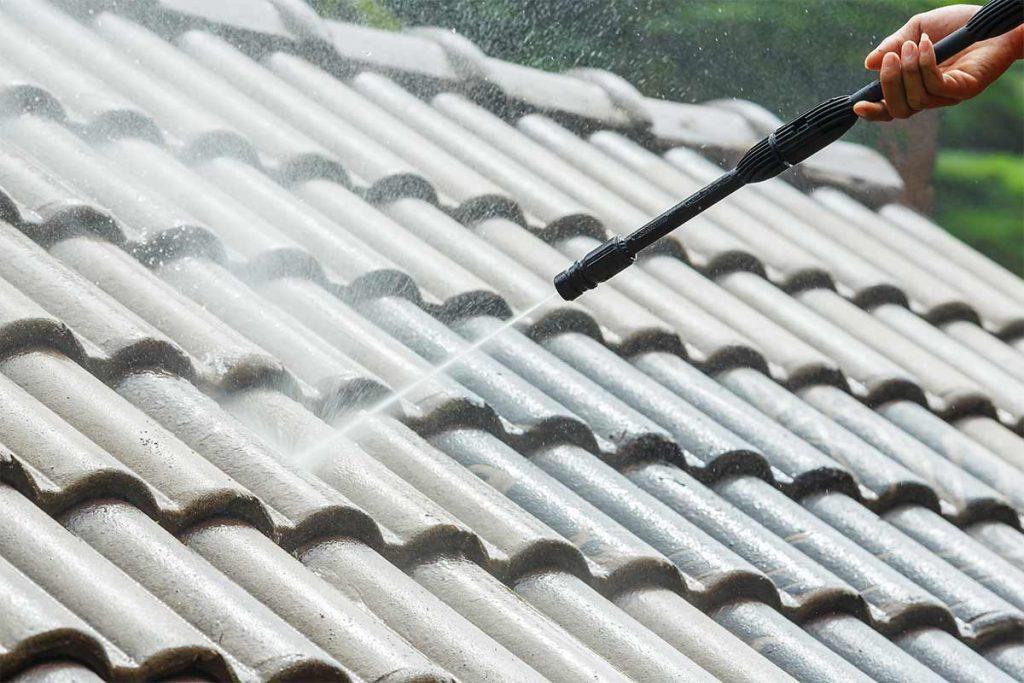
Maintaining a clean roof is essential for the longevity and aesthetic appeal of your home. One common question homeowners have is, “Can you pressure wash a shingle roof?” While pressure washing can be an effective cleaning method for various surfaces, it requires caution and proper technique when applied to shingle roofs. This guide will explore the pros and cons of pressure washing shingle roofs, provide detailed instructions, and highlight important precautions to take.
Understanding Shingle Roofs
Shingle roofs are a popular choice for many homeowners due to their affordability, durability, and ease of installation. They are typically made from asphalt, wood, metal, or composite materials. Each type of shingle has its own characteristics, but they all share a common need for proper maintenance to prevent damage and extend their lifespan.
Why Clean Your Shingle Roof?
Over time, shingle roofs can accumulate dirt, debris, algae, moss, and lichen. These contaminants not only affect the roof’s appearance but can also cause damage if left untreated. Algae and moss, in particular, can retain moisture, leading to the deterioration of shingles and potential leaks. Regular cleaning helps maintain the roof’s integrity and prevents costly repairs.
Read too: Decoding Timelines: How Long Does It Take To Replace A Roof and What to Expect
Can You Pressure Wash A Shingle Roof?
Pros of Pressure Washing:
- Effective Cleaning: Pressure washing can remove dirt, algae, moss, and other contaminants quickly and efficiently.
- Restores Appearance: A clean roof enhances the overall look of your home, boosting curb appeal.
Cons of Pressure Washing:
- Risk of Damage: High-pressure water can dislodge or damage shingles, especially if they are old or brittle.
- Water Intrusion: Improper technique can force water under the shingles, leading to leaks and water damage.
- Shortened Roof Life: Frequent pressure washing can wear down the protective granules on asphalt shingles, reducing their lifespan.
How to Safely Pressure Wash a Shingle Roof
If you decide to pressure wash your shingle roof, follow these steps to minimize the risk of damage:
Step 1: Gather the Necessary Equipment
- Pressure washer with a variable pressure setting
- Spray nozzle with a wide-angle spray pattern
- Roof cleaner solution (preferably biodegradable)
- Safety gear (goggles, gloves, non-slip shoes)
- Ladder
Step 2: Prepare the Roof
- Inspect the Roof: Check for any damaged or loose shingles and repair them before cleaning.
- Clear Debris: Remove leaves, branches, and other debris from the roof surface.
- Protect Surrounding Areas: Cover plants, windows, and other areas that might be affected by the cleaning process.
Step 3: Apply Roof Cleaner
- Mix the Solution: Follow the manufacturer’s instructions to mix the roof cleaner solution.
- Apply the Solution: Using a garden sprayer, apply the cleaner to the roof, starting at the bottom and working your way up. Allow the solution to sit for the recommended time to loosen dirt and algae.
Step 4: Pressure Wash the Roof
- Set the Pressure: Adjust the pressure washer to a low setting (1,200 to 1,500 psi) to avoid damaging the shingles.
- Use the Right Nozzle: Attach a wide-angle spray nozzle (25 to 40 degrees) to distribute the pressure evenly.
- Start from the Top: Begin washing from the top of the roof and work your way down. This prevents water from getting under the shingles.
- Maintain Distance: Keep the nozzle at least 12 inches away from the roof surface to avoid excessive pressure on the shingles.
- Rinse Thoroughly: Rinse off the cleaning solution and dislodged debris, ensuring all areas are thoroughly cleaned.
Alternatives to Pressure Washing
If you’re concerned about the potential risks of pressure washing, consider these safer alternatives:
Soft Washing
Soft washing uses a low-pressure spray combined with specialized cleaning solutions to remove dirt and contaminants. It is a gentler method that minimizes the risk of damage to shingles.
Manual Cleaning
Manual cleaning involves using a brush or broom to remove debris and algae. This method is time-consuming but reduces the risk of shingle damage.
Preventing Future Contamination
After cleaning your shingle roof, take steps to prevent future buildup of algae, moss, and dirt:
- Trim Overhanging Branches: This reduces the amount of debris that falls on the roof and improves sunlight exposure, preventing moss and algae growth.
- Install Zinc or Copper Strips: These metals release ions that inhibit the growth of algae and moss.
- Regular Inspections: Periodically inspect your roof for signs of dirt, algae, or damage, and clean it as needed.
Conclusion
So, can you pressure wash a shingle roof? The answer is yes, but with caution. Proper technique and equipment are essential to avoid damaging the shingles and compromising the roof’s integrity. If you’re unsure or uncomfortable with pressure washing, consider alternative methods like soft washing or manual cleaning. Maintaining a clean roof not only enhances your home’s appearance but also extends the life of your shingles, protecting your investment for years to come.
Final Thoughts
When it comes to cleaning your shingle roof, the key is to balance effectiveness with caution. Whether you choose to pressure wash or opt for a gentler method, regular maintenance is crucial for preserving the roof’s condition. By following the guidelines outlined in this article, you can keep your shingle roof looking great and functioning optimally.
Leave a Reply