When it comes to choosing a roofing material, metal roofing has gained significant popularity due to its durability, energy efficiency, and aesthetic appeal. Whether you’re building a new home, replacing an existing roof, or upgrading your commercial building, understanding the different types of metal roofs is crucial to making an informed decision.
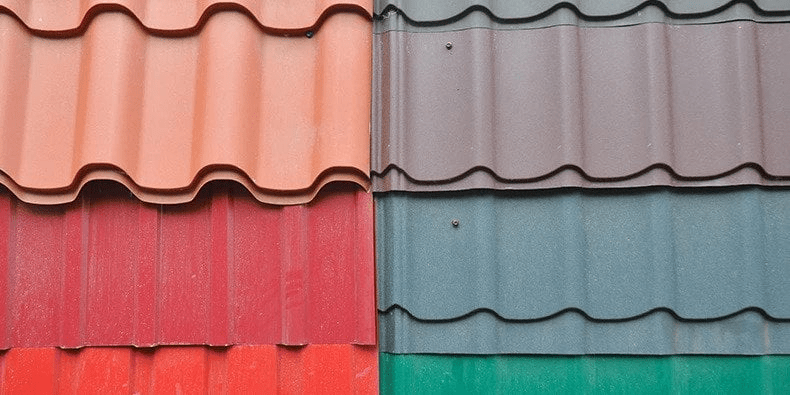
But what are the different types of metal roofs? This guide will walk you through the various options available, their pros and cons, and what factors to consider when selecting the best metal roofing style for your needs. From standing seam to corrugated metal, there are numerous types of metal roofs, each offering unique benefits based on your budget, location, and style preferences.
What Are The Different Types Of Metal Roofs?
There are several types of metal roofs available today, each with its own set of advantages. The most common materials used for metal roofs include steel, aluminum, copper, and zinc. Each of these materials can be fabricated into various roofing styles, including standing seam, corrugated, and metal shingles.
Let’s explore the most popular types of metal roofing systems:
1. Standing Seam Metal Roofs
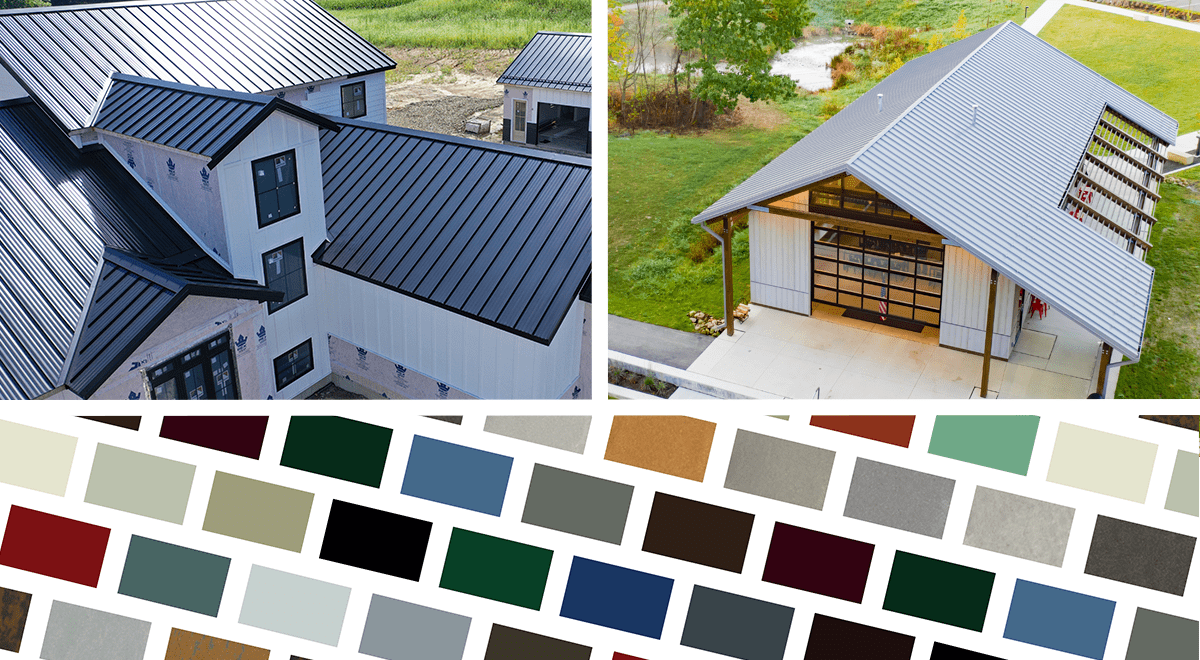
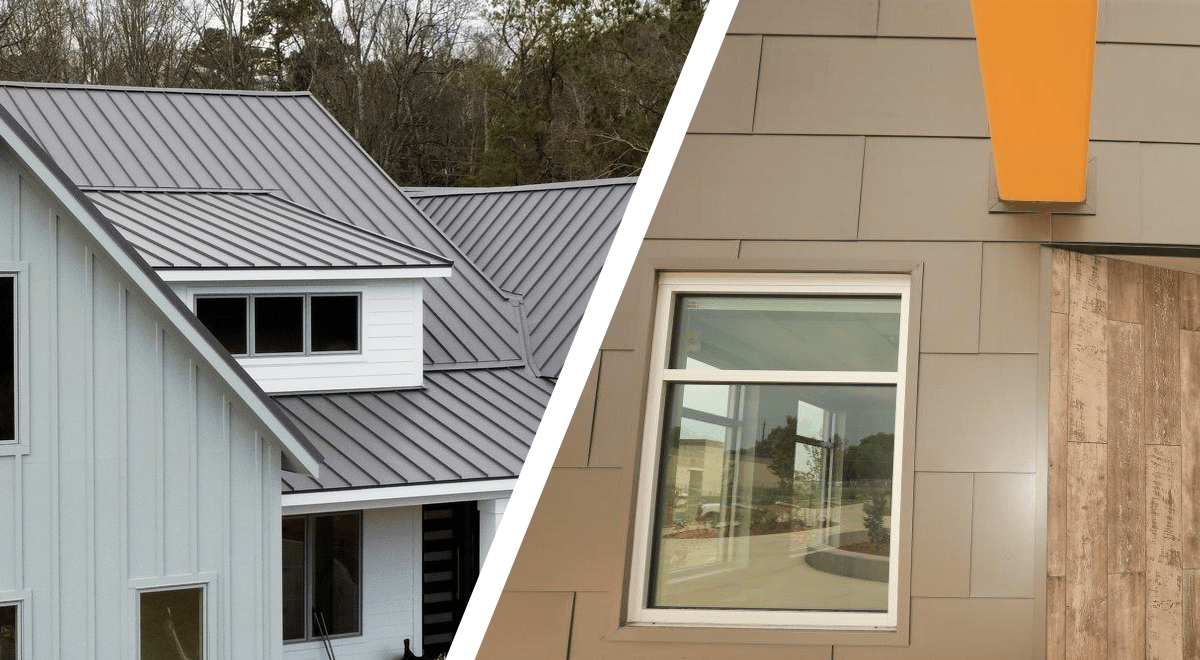
Standing seam metal roofs are one of the most popular choices for both residential and commercial properties. These roofs are characterized by long, vertical panels that are interlocked at the seams, creating a continuous, watertight barrier.
Read too: Is It Reasonable to Ask the Seller to Replace the Roof?
Benefits:
- Durability: Standing seam roofs are extremely durable, often lasting 40 to 70 years or more with proper maintenance.
- Weather Resistance: These roofs are highly resistant to wind, hail, snow, and rain.
- Low Maintenance: With concealed fasteners, standing seam metal roofs require less maintenance compared to traditional roofs.
- Sleek Appearance: The clean lines of standing seam roofs give buildings a modern, sleek aesthetic.
Common Materials:
- Steel: Often used for its strength and cost-effectiveness.
- Aluminum: Ideal for coastal regions because it resists corrosion well.
- Copper: A high-end option that develops a natural patina over time, adding a unique aesthetic to the roof.
Considerations:
- Cost: Standing seam roofs are typically more expensive to install compared to other types of metal roofs due to their high-quality materials and labor-intensive installation.
2. Corrugated Metal Roofs
Corrugated metal roofs are another common type of metal roofing, known for their wavy pattern. These roofs are usually made from galvanized steel or aluminum and are installed in long sheets.
Benefits:
- Affordability: Corrugated metal roofs are generally more affordable than standing seam roofs.
- Easy Installation: They are easy to install, which reduces labor costs and installation time.
- Lightweight: These roofs are relatively lightweight compared to other types of metal roofs, making them easier to handle and install.
- Durability: While not as long-lasting as standing seam, corrugated metal roofs still offer strong resistance to weather elements, particularly in mild climates.
Common Materials:
- Galvanized Steel: Steel coated with a layer of zinc to protect it from rust and corrosion.
- Aluminum: Offers greater resistance to corrosion, especially in coastal areas.
Considerations:
- Aesthetic: The wavy pattern may not be suitable for every architectural style. It’s more common in industrial and agricultural buildings.
- Maintenance: Corrugated metal roofs may require more maintenance to ensure that the seams are properly sealed and prevent leaks.
3. Metal Shingles
Metal shingles resemble traditional asphalt shingles but are made from metal. They are available in various styles, such as slate, tile, or shake, and offer the appearance of these materials with the added durability of metal.
Benefits:
- Aesthetic Appeal: Metal shingles can replicate the look of more expensive materials like slate or wood shakes, offering a stylish option for homeowners.
- Durability: They are resistant to cracking, warping, and fading, providing a long lifespan.
- Energy Efficiency: Metal shingles, like other metal roofing options, reflect sunlight, reducing the need for air conditioning and lowering energy bills.
Common Materials:
- Steel: Often coated with a layer of aluminum or zinc for enhanced protection against the elements.
- Copper: Known for its unique patina over time.
- Aluminum: Offers corrosion resistance, making it ideal for coastal areas.
Considerations:
- Cost: Metal shingles are generally more expensive than traditional asphalt shingles, but they offer greater durability and longevity.
- Installation: Installation is more labor-intensive compared to corrugated or standing seam metal roofs.
4. Metal Tile Roofing
Metal tile roofs are designed to resemble traditional clay or concrete tiles, offering a beautiful and durable alternative. These roofs are typically made from steel, aluminum, or copper.
Benefits:
- Appearance: Metal tile roofs have the classic look of Mediterranean or Spanish-style tile roofs, adding curb appeal to a home.
- Durability: Metal tile roofs are extremely durable and resistant to weather, providing a lifespan of up to 50 years or more.
- Lightweight: They are lighter than traditional concrete or clay tiles, making them easier to install and less burdensome on the structure.
Common Materials:
- Steel: Offers durability and cost-effectiveness.
- Aluminum: Ideal for areas with high moisture or saltwater exposure.
- Copper: An upscale option known for its aesthetic appeal and long lifespan.
Considerations:
- Cost: Metal tile roofing can be quite expensive, especially when choosing copper or custom finishes.
- Installation: Due to the complex design, installation may require more time and skilled labor.
5. Exposed Fastener Metal Roofs
Exposed fastener metal roofs are a budget-friendly option, where the fasteners are visible on the surface of the roof. The panels are usually installed in long sheets, and the fasteners are secured through the metal.
Benefits:
- Affordability: These roofs are typically less expensive to install compared to standing seam roofs.
- Simplicity: The installation process is straightforward and can be completed relatively quickly.
- Variety: Available in a variety of finishes and materials.
Common Materials:
- Galvanized Steel: Provides strength and durability.
- Aluminum: Offers corrosion resistance in coastal environments.
Considerations:
- Potential for Leaks: Over time, the exposed fasteners may loosen or deteriorate, which could result in leaks. Proper maintenance is necessary to address this issue.
- Aesthetic: The visible fasteners may not appeal to all homeowners, particularly those looking for a sleek, modern roof.
Factors to Consider When Choosing a Metal Roof
When deciding on the best type of metal roof for your property, consider the following factors:
- Climate: The weather conditions in your area should influence your choice. For example, aluminum and copper are excellent for coastal areas, while steel may be better for areas with severe weather.
- Budget: Metal roofs can range in price from affordable corrugated options to high-end copper roofs. Make sure to select a roofing system that fits your budget without compromising on quality.
- Aesthetic Preferences: The appearance of your roof can impact your home’s curb appeal. Choose a roofing style that complements your home’s architecture.
- Maintenance: Consider how much time and effort you’re willing to invest in roof maintenance. Some metal roofs require more upkeep than others, such as those with exposed fasteners.
- Lifespan: Determine how long you plan to stay in your home or building. If you’re looking for a roof that will last for decades, a standing seam or copper roof may be a wise choice.
Conclusion
What are the different types of metal roofs? In this guide, we’ve covered the most popular options, including standing seam, corrugated metal, metal shingles, metal tile, and exposed fastener roofs. Each type of metal roof offers unique advantages based on material, installation style, durability, and aesthetic appeal.
By considering factors like climate, budget, and desired appearance, you can select the best metal roofing option that meets your needs. Whether you choose a durable standing seam metal roof or an affordable corrugated roof, metal roofing provides an excellent long-term solution for protecting your home or commercial property.
Leave a Reply