Ice dams can be a common problem during winter, causing damage to roofs and leading to leaks and water infiltration. Many homeowners wonder if having a metal roof provides sufficient protection against ice dams. In this article, we will explore the factors that contribute to the formation of ice dams on metal roofs and discuss effective solutions to prevent and manage this issue.
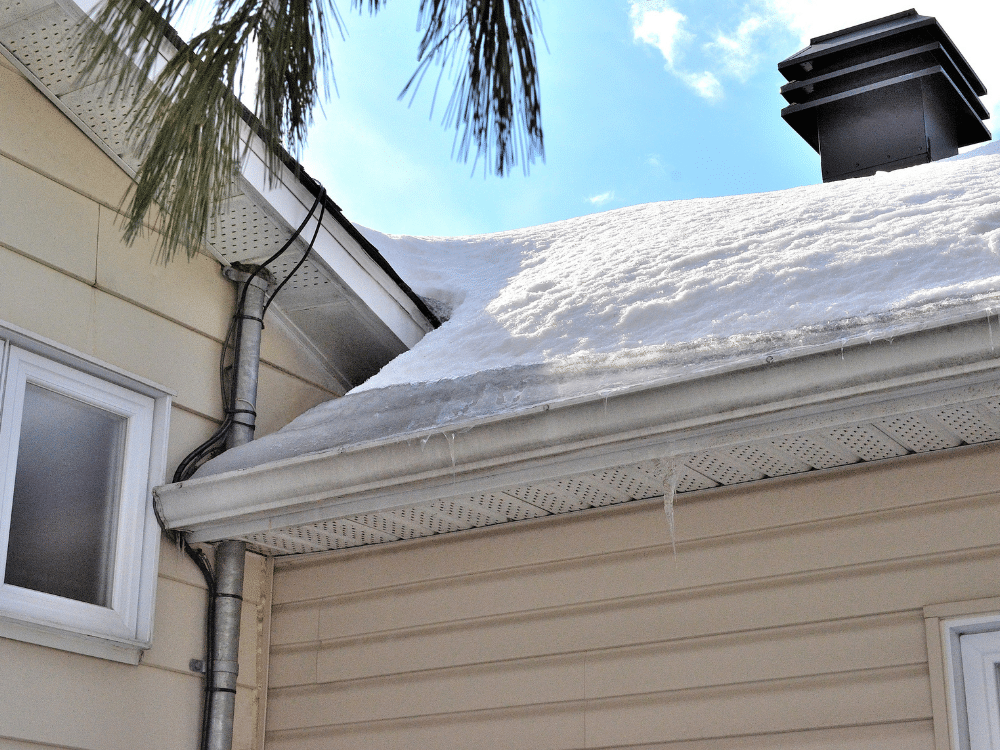
Understanding Ice Dams and their Causes:
Ice dams are ridge-like formations of ice that hinder roof drainage. They occur when melting snow on the upper roof refreezes at the colder eaves. The main factors contributing to the formation of ice dams are:
- Insufficient Attic Insulation and Ventilation: Inadequate insulation and ventilation in the attic can cause heat to escape from the living space below, warming the roof surface and promoting snow melting.
- Fluctuating Temperatures: Rapid temperature changes can cause snow to melt and refreeze repeatedly, leading to ice dam formation.
- Roof Design and Slope: Certain roof designs and low slopes can contribute to ice dam formation by allowing snow to accumulate and melt unevenly.
Can Ice Dams Form on a Metal Roof?
Metal roofs offer advantages in preventing ice dams, but they are not immune to the issue. Here’s why:
- Heat Transfer: Metal roofs have low thermal mass and conduct heat more effectively than other roofing materials. This can lead to faster snow melting, especially if the roof is not properly insulated.
- Temperature Variations: Temperature fluctuations on metal roofs can contribute to snow melting, refreezing, and potential ice dam formation.
Preventing and Managing Ice Dams on Metal Roofs:
Fortunately, there are effective solutions to prevent and manage ice dams on metal roofs:
- Proper Insulation and Ventilation: Ensure your attic is properly insulated and ventilated to maintain a consistent temperature on the roof surface. This will help prevent excessive snow melting and the formation of ice dams.
- Snow Removal: Regularly remove snow from your metal roof using a roof rake or hire professionals for safe and efficient snow removal. This can help minimize the chances of ice dam formation.
- Ice Dam Prevention Systems: Consider installing ice dam prevention systems, such as heated cables or panels, along the roof’s eaves. These systems melt ice and facilitate water flow, preventing dam formation.
Conclusion:
While metal roofs offer some advantages in reducing the risk of ice dams, it’s important to understand that they are not completely immune to this issue. With insulation, ventilation, snow removal, and ice dam prevention, homeowners with metal roofs can protect against ice dam formation and roof damage. Consult with a professional roofer for personalized recommendations and solutions tailored to your specific roof and climate conditions.
Leave a Reply