When it comes to residential roofing, Denver homeowners have a variety of options to choose from. Selecting the right roof type for your home is crucial as it not only enhances the aesthetics but also provides protection from the elements. In this comprehensive guide, we will explore different residential roof types commonly found in Denver, highlighting their features, benefits, and considerations. Whether you’re building a new home or replacing an existing roof, understanding these options will help you make an informed decision.
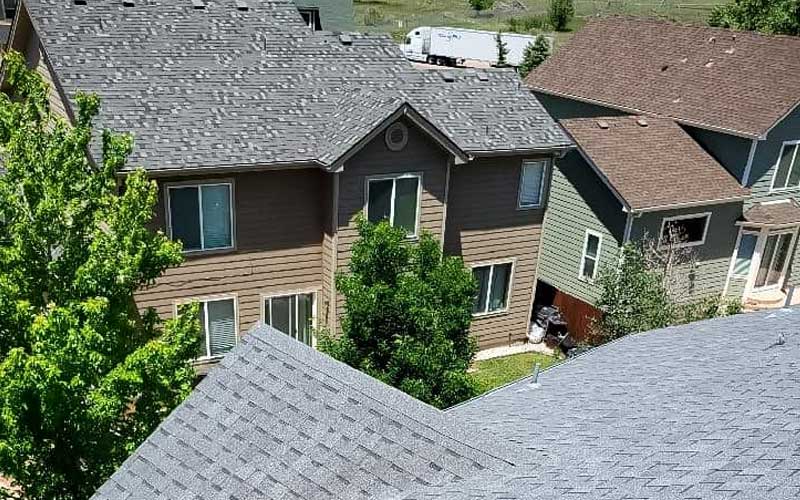
Asphalt Shingle Roofs
Asphalt shingle roofs are the most common and popular choice for residential properties in Denver. These roofs consist of asphalt shingles, which are affordable, durable, and available in a wide range of colors and styles. They provide excellent protection against various weather conditions, including rain, wind, and snow. Asphalt shingle roofs are relatively easy to install and maintain, making them a practical option for many homeowners in Denver.
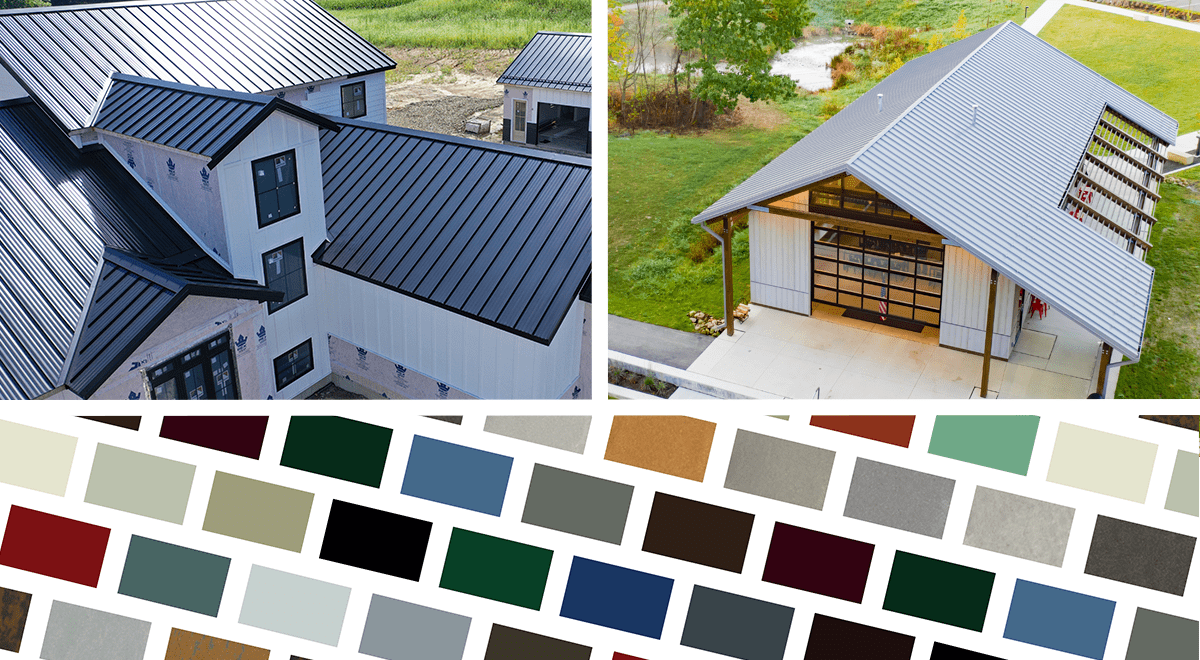
Metal Roofs
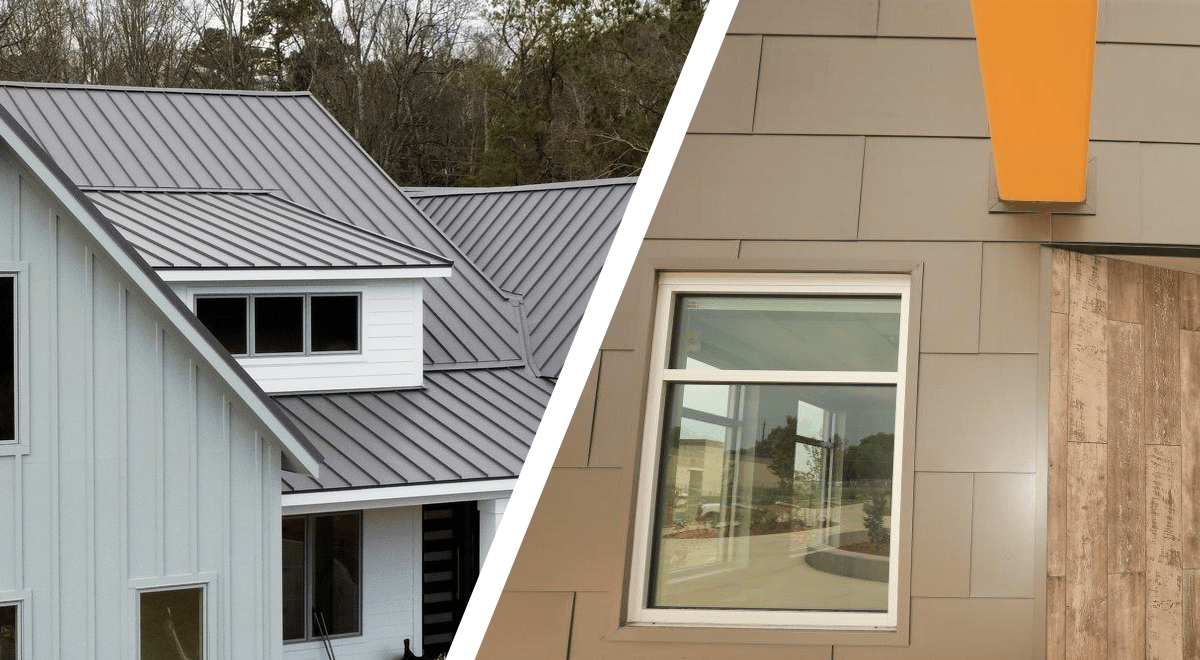
Metal roofs are gaining popularity in Denver due to their durability, longevity, and energy efficiency. They are available in different materials such as aluminum, steel, and copper, offering various aesthetic options. Metal roofs are highly resistant to extreme weather conditions, including hail and strong winds, making them ideal for the Denver climate. Additionally, they reflect sunlight, reducing heat absorption and potentially lowering energy costs.
Tile Roofs
Tile roofs, particularly clay and concrete tiles, are known for their timeless beauty and durability. They provide a distinct architectural style and can withstand harsh weather conditions, including heavy rain and wind. Tile roofs are long-lasting and require minimal maintenance. However, it’s important to note that they are relatively heavy, so proper structural support is essential for their installation.
Wood Shake Roofs
Wood shake roofs offer a rustic and natural charm to residential properties in Denver. They are typically made from cedar or other types of wood. Wood shake roofs provide excellent insulation and can withstand harsh weather conditions when properly maintained. However, they require regular maintenance, including treatment for mold, mildew, and insect infestations. It’s also important to ensure compliance with fire safety codes in areas prone to wildfires.
Synthetic Roofs
Synthetic roofs are designed to mimic the appearance of natural materials like slate or wood, offering homeowners a more affordable and low-maintenance alternative. These roofs are made from composite materials, such as rubber or plastic, and provide good durability and resistance to weather conditions. Synthetic roofs can be a practical choice for those seeking the aesthetic appeal of natural materials without the associated costs and maintenance requirements.
Conclusion:
Choosing the right residential roof types for your Denver home is a significant decision that affects both the appearance and functionality of your property. Asphalt shingle roofs, metal roofs, tile roofs, wood shake roofs, and synthetic roofs all offer unique features and benefits to consider. Evaluate factors such as durability, cost, aesthetics, and maintenance requirements before making a decision. Consulting with a professional roofing contractor can provide valuable insights and help you make an informed choice. By selecting the most suitable roof type for your Denver home, you can ensure long-lasting protection and enhance the overall appeal of your property.
Leave a Reply