When planning to tackle a roofing project for your own home, one of the most common questions is, “Do I need a permit to roof my own house?” Navigating local regulations can be daunting, but understanding the requirements is crucial to avoid penalties and ensure the safety of your project.
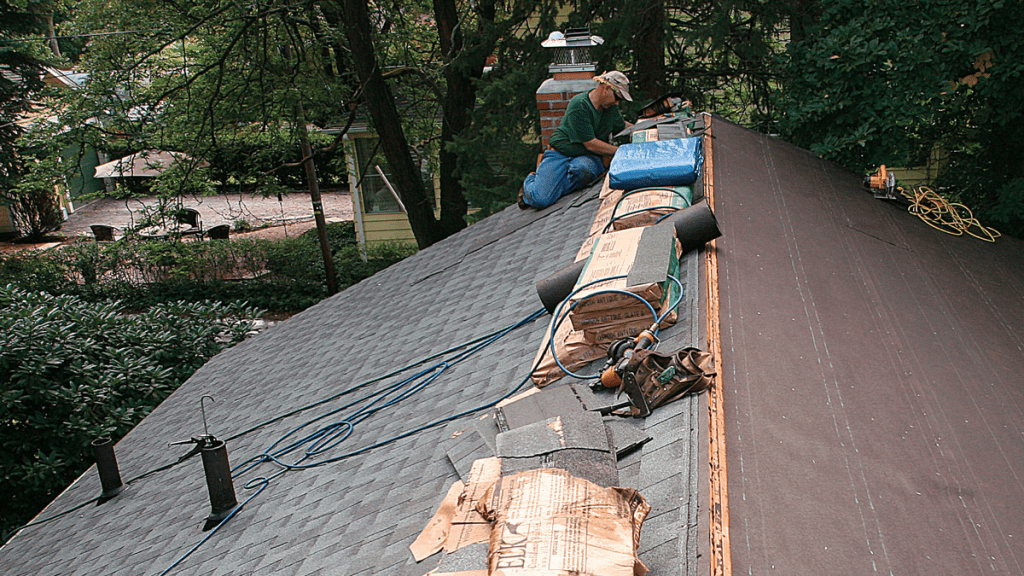
This article will delve into whether you need a permit, why it’s necessary, and how to go about getting one. Let’s also explore essential tips to make your roofing project compliant and successful.
Why Roofing Permits Are Important
A roofing permit is a legal document issued by your local building authority. It confirms that your roofing project meets local building codes and safety standards. Here’s why obtaining a permit matters:
- Safety Assurance: Permits ensure the work adheres to safety standards, protecting you and your home.
- Insurance Compliance: Many insurance companies require a valid permit for coverage in case of damage or accidents.
- Avoiding Fines: Roofing without a permit can lead to significant fines, project delays, or even legal consequences.
- Maintaining Property Value: Properly permitted work ensures your home maintains its value and meets buyer expectations if you decide to sell.
Read too: How Long aDo Standing Seam Metal Roofs Last? A Comprehensive Guide to Durability and Longevity
Do I Need A Permit To Roof My Own House?
General Permit Requirements
In most cases, the answer to this question is yes—you need a permit to roof your own house. Permit requirements vary depending on the location and scope of the project. Here are some general factors that determine if a permit is necessary:
- Roof Replacement: If you’re entirely replacing your roof, most local authorities require a permit.
- Structural Changes: Adding new structural elements, such as skylights or vents, almost always requires a permit.
- Re-roofing Projects: Simply laying a new layer of shingles over the existing roof may not require a permit in some areas, but it depends on local codes.
How to Determine If You Need a Permit
Check Local Building Codes
Building codes differ from city to city and even between counties. To find out if you need a permit, contact your local building department or visit their website.
Consider the Type of Roofing Work
Certain types of work might be exempt from permits:
- Minor Repairs: Fixing a small leak or replacing a few shingles often doesn’t require a permit.
- Non-structural Upgrades: Adding cosmetic features like roof coating may not need approval.
Ask for Professional Advice
If you’re unsure, consult a licensed contractor or building inspector. They can clarify requirements for your specific project.
How to Obtain a Roofing Permit
1. Contact the Building Department
Start by reaching out to your local building department. They’ll provide you with application forms and detailed requirements for your area.
2. Submit Required Documents
You’ll typically need to provide:
- A completed application form.
- Proof of property ownership.
- A detailed project plan, including materials and methods.
3. Pay the Permit Fee
Permit fees vary depending on the scope of the work and your location. Expect to pay anywhere from $50 to several hundred dollars.
4. Schedule Inspections
Permits often require inspections during and after the project to ensure compliance with building codes.
Benefits of Obtaining a Permit
1. Ensures Safety and Compliance
Permits help guarantee that your roofing project meets safety standards and local regulations.
2. Smooth Resale Process
When selling your home, buyers or their inspectors may request proof of permits for major renovations. Proper permits prevent potential sale complications.
3. Avoids Penalties
Failure to secure a permit can result in fines or orders to undo completed work.
What Happens If You Roof Without a Permit?
Fines and Penalties
Roofing without a permit can lead to costly fines, ranging from hundreds to thousands of dollars.
Insurance Issues
Your homeowner’s insurance may refuse to cover claims related to unpermitted work.
Legal Action
In extreme cases, local authorities can take legal action, including issuing a stop-work order.
Common Misconceptions About Roofing Permits
1. “I Don’t Need a Permit for My Own House”
Even if you’re the homeowner, permits are required for most roofing projects to ensure compliance with building codes.
2. “It’s Just a Small Job”
Small repairs may not need permits, but it’s always better to confirm with local authorities to avoid surprises.
How to Save Time and Money on Your Roofing Permit
1. Plan Ahead
Gather all necessary documents and information before applying for a permit.
2. Opt for Pre-Approved Plans
Some building departments offer pre-approved plans that simplify the application process.
3. DIY vs. Hiring a Professional
While doing the work yourself can save money, hiring a professional roofer ensures the project is compliant, often speeding up inspections.
FAQs: Do I Need A Permit To Roof My Own House?
Q: Can I apply for a permit as a homeowner?
Yes, most jurisdictions allow homeowners to apply for permits, provided the work is done on their primary residence.
Q: How long does it take to get a permit?
Permit processing times vary but usually take 1–2 weeks. For urgent repairs, some cities offer expedited permits.
Q: What’s the cost of a roofing permit?
Permit fees depend on your location and the scope of your project but typically range from $50 to $500.
Conclusion
So, “Do I need a permit to roof my own house?“ The answer depends on your local building codes, the nature of the project, and your approach to the work. Obtaining a permit may seem like an extra hassle, but it’s a necessary step to ensure your roofing project is safe, compliant, and worry-free.
By understanding the requirements, planning ahead, and consulting professionals when needed, you can confidently tackle your roofing project while avoiding potential legal or financial pitfalls. Always prioritize safety and quality for a durable and successful roof installation.
Leave a Reply