Replacing your roof is a significant investment, and timing it right can save you money, stress, and unnecessary delays. But when is the best time of year to put new roof on house? Choosing the right season ensures better installation, lower costs, and optimal durability. In this guide, we’ll break down the pros and cons of each season so you can make the best decision for your home.
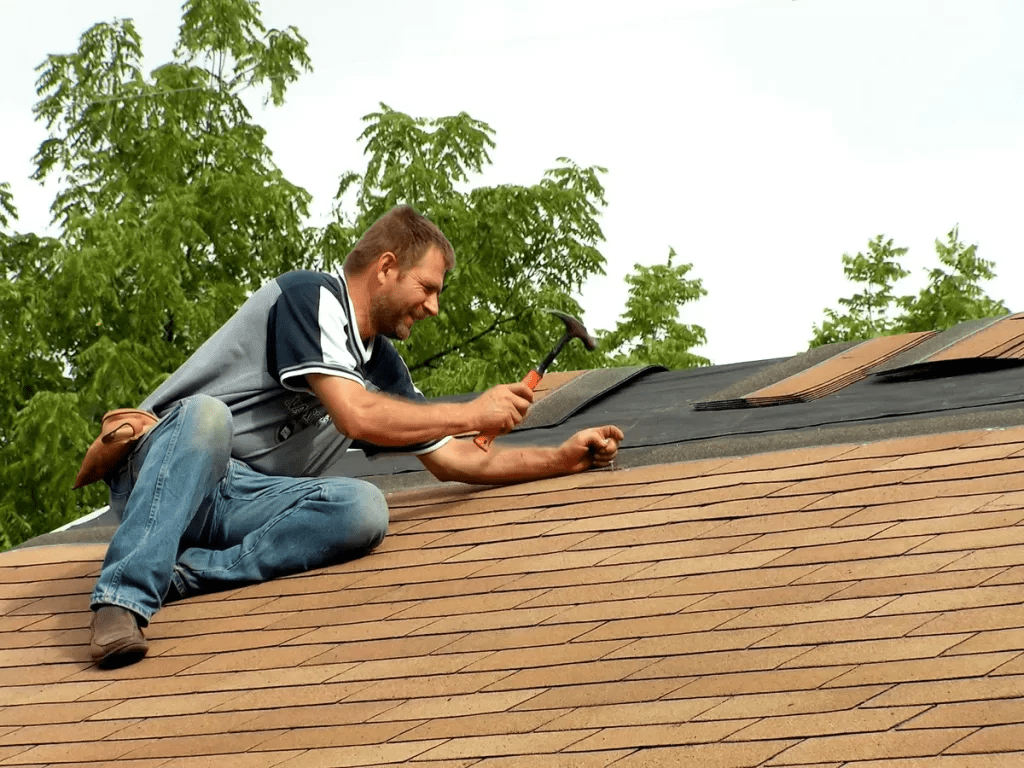
Why Timing Matters When Replacing Your Roof
A new roof is a long-term investment, so ensuring proper installation is crucial. Factors like weather conditions, labor availability, and material efficiency all play a role in determining the best time of year for a roof replacement. Here are some key reasons why timing matters:
- Weather Conditions: Roofing materials need ideal temperatures to set properly. Extreme heat or cold can affect installation quality.
- Cost Savings: Roofing companies may offer discounts during slower seasons.
- Contractor Availability: Certain times of the year are busier for roofers, which can affect scheduling and pricing.
- Durability and Longevity: Properly installed roofs last longer and perform better against the elements.
Now, let’s break down the best and worst seasons for roof replacement.
Read too: Is It Reasonable to Ask the Seller to Replace the Roof?
Best Time Of Year To Put New Roof On House: Seasonal Breakdown
Each season has its advantages and drawbacks when it comes to roofing. Here’s a detailed look at how each time of year affects roof replacement.
Spring: A Great Time for Roof Replacement
Pros:
✔️ Mild temperatures make installation easier.
✔️ Less likelihood of extreme weather disruptions.
✔️ Ideal time to fix winter roof damage.
Cons:
❌ Rainy weather can delay projects.
❌ Roofing companies start getting busy, leading to longer wait times.
Spring is often a preferred time for roofing because of the moderate temperatures, which help shingles adhere properly. However, depending on your location, frequent spring rain may cause unexpected delays.
Summer: The Peak Season for Roofing
Pros:
✔️ Consistently warm weather ensures proper sealing of shingles.
✔️ Longer daylight hours allow roofers to complete jobs faster.
Cons:
❌ High demand means higher prices.
❌ Intense summer heat can make installation challenging.
If you’re planning to replace your roof in the summer, try to schedule it in early summer when temperatures are still manageable. Late summer heatwaves can make working conditions difficult for roofers and may lead to material issues, such as shingles becoming too soft.
Fall: The Best Season for Roof Replacement
Pros:
✔️ Ideal temperatures for roofing material adhesion.
✔️ Contractors have fewer weather-related delays.
✔️ Roof is ready before winter’s harsh conditions.
Cons:
❌ High demand for roofing services, so scheduling may be difficult.
Many experts consider fall the best time of year to put new roof on house because of the consistent weather conditions. With temperatures ranging between 45-85°F, asphalt shingles seal properly, ensuring maximum durability. However, because fall is such a popular time for roof replacements, you may need to book your contractor well in advance.
Winter: A Risky but Possible Choice
Pros:
✔️ Lower demand means potential discounts.
✔️ Easier scheduling due to contractor availability.
Cons:
❌ Cold weather can make shingles brittle and harder to install.
❌ Snow and ice can create hazardous working conditions.
Winter is generally not recommended for roof replacement unless absolutely necessary. Cold temperatures can cause shingles to crack, and adhesives may not set properly. However, if you live in a mild climate or work with a highly experienced roofing contractor, winter installations are still possible.
Factors That Influence the Best Time for Roof Replacement
While seasons play a crucial role, other factors should also be considered when planning a roof replacement:
1. Location and Climate
If you live in a region with extreme weather conditions, your best time for a roof replacement may differ from the general recommendations. For instance:
- Southern states (hot climates): Spring or fall is ideal to avoid extreme summer heat.
- Northern states (cold climates): Late spring to early fall is best to avoid snow-related complications.
2. Roofing Material
Different roofing materials react differently to temperature changes:
- Asphalt shingles: Best installed in temperatures between 45-85°F.
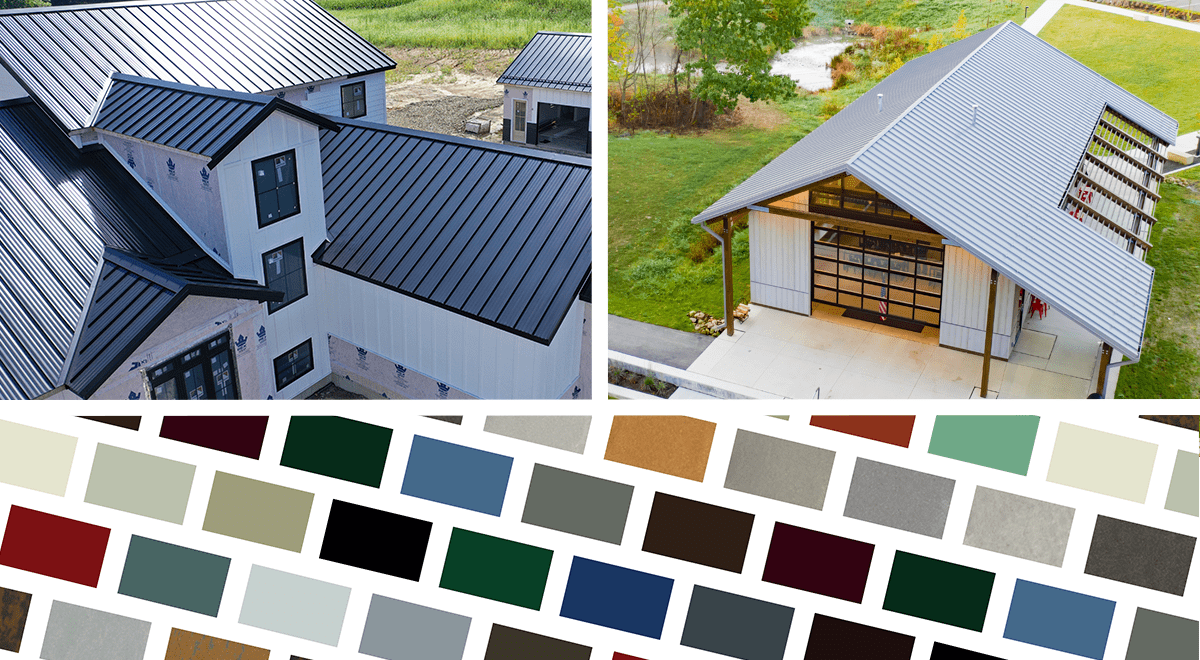
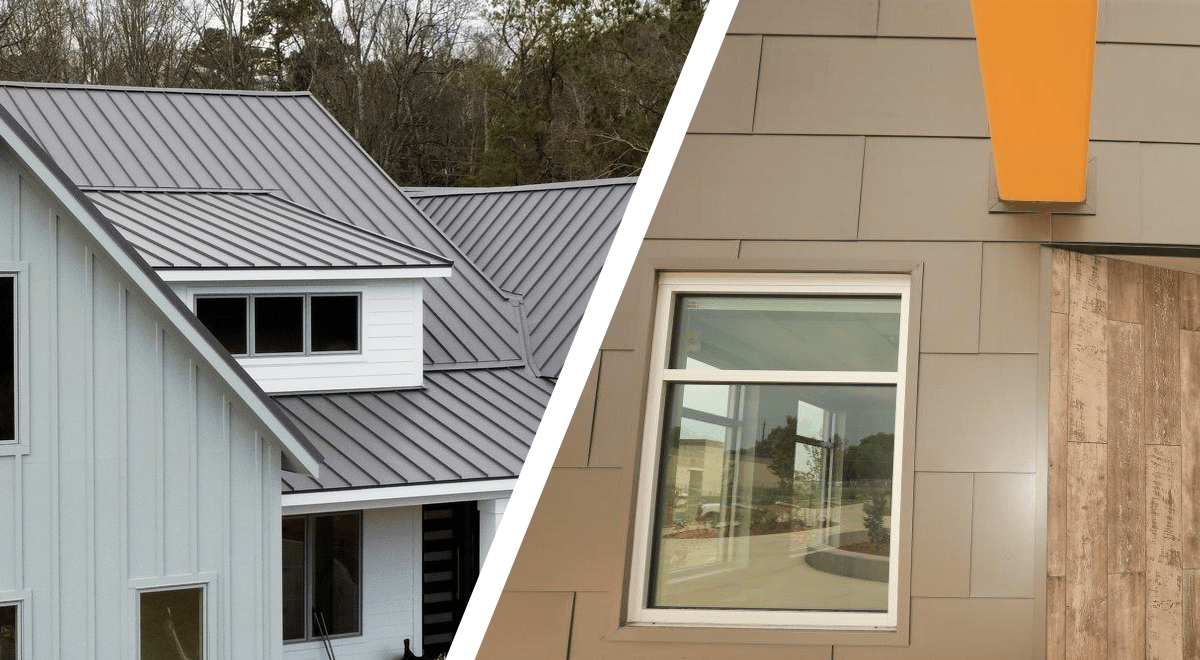
- Metal roofing: Can be installed year-round since it’s less affected by temperature.
- Clay or slate tiles: Best installed in mild, dry conditions to prevent cracking.
3. Budget and Contractor Availability
- If you’re looking for cost savings, consider late winter or early spring when demand is lower.
- If you prioritize ideal installation conditions, fall is the best choice.
How to Prepare for a Roof Replacement
Once you decide on the best time of year to put new roof on house, follow these steps to ensure a smooth process:
✅ Schedule Your Contractor in Advance – Book at least a few months before peak seasons to secure a spot.
✅ Choose the Right Roofing Material – Consider durability, climate compatibility, and cost.
✅ Check Your Home Insurance Policy – Some policies cover partial costs if roof damage is due to weather-related issues.
✅ Prepare Your Home and Yard – Move outdoor furniture, cover valuables, and inform your neighbors about the project.
Final Thoughts: Choosing the Best Time for Your Roof Replacement
So, what is the best time of year to put new roof on house? The answer depends on your location, budget, and personal preferences. Fall generally offers the best conditions, but spring and early summer are also excellent choices. Winter should be a last resort unless you live in a mild climate.
Planning ahead and working with a professional roofing contractor will ensure a successful and long-lasting roof replacement. Don’t wait until leaks or damage worsen—schedule your roofing project at the best time for optimal results.
Leave a Reply