Introduction
Many homeowners with older mobile homes wonder if they can upgrade their roofing to improve durability, insulation, and aesthetics. One common question is: Can you put a shingle roof in a 1970’s trailer house? While it is possible in some cases, there are several factors to consider, such as the structural capacity of the home, the weight of shingles, and alternative roofing options.
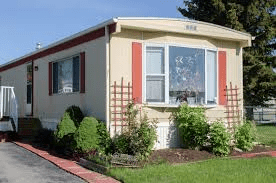
In this article, we’ll explore whether you can install a shingle roof on a 1970s trailer house, what challenges you may face, and the best solutions to ensure a long-lasting and stable roof.
Read too: Hail Damage Roof Repair: Essential Guide to Restoring Your Home’s Protection
Can You Put A Shingle Roof In 1970’s Trailer House?
The short answer is: Yes, but it depends on the structure of the trailer house.
1970s trailer houses were not originally designed to support heavy roofing materials like asphalt shingles. Most of these homes were built with lightweight metal roofs, making them structurally weaker than modern manufactured homes. Before installing a shingle roof, you need to determine whether your home can support the extra weight and if any reinforcements are necessary.
Let’s dive deeper into the considerations you need to take into account before making a decision.
Factors to Consider Before Installing a Shingle Roof
1. Structural Strength of the Trailer House
The biggest concern when installing a shingle roof on a 1970s trailer house is whether the structure can handle the weight. Asphalt shingles are significantly heavier than metal roofing, and most older mobile homes were built with minimal roof support.
How to Check Structural Strength:
- Inspect the roof trusses or rafters for thickness and material quality.
- Look for signs of sagging or damage in the existing roof.
- Consult a structural engineer or roofing professional to assess weight capacity.
If your trailer house’s structure is too weak, adding shingles could cause serious damage over time, including roof sagging, leaks, or even collapse.
2. Weight of Asphalt Shingles
A standard asphalt shingle roof can weigh 2.5 to 4.5 pounds per square foot. This may not seem like much, but when applied to an entire trailer home, it adds thousands of pounds of extra weight.
Alternative Lightweight Roofing Materials:
If shingles are too heavy, you might consider:
- Metal Roofing: Durable, lightweight, and energy-efficient.
- Rubber Roofing (TPO or EPDM): Ideal for mobile homes, lightweight, and waterproof.
- Foam Roofing: Provides insulation and reduces weight concerns.
3. Existing Roof Type
Most 1970s trailer homes have either a flat or slightly curved metal roof. Asphalt shingles require a stable, sloped surface for proper installation.
If your trailer home has a flat roof:
- You may need to build a new sloped structure (a roof-over system) before installing shingles.
- A flat roof with shingles is not ideal due to drainage issues.
If your trailer home has a low-slope roof:
- Special low-slope shingles or roll roofing may be necessary.
4. Local Building Codes and Regulations
Before making any roofing changes, check your local building codes. Some areas have restrictions on adding weight to older mobile homes. Permits may be required, and some states may not allow shingle installations on certain types of trailer houses.
5. Roof-Over System as a Solution
A roof-over system is a common method used to install a shingle roof on a trailer house that wasn’t originally designed for one.
This process involves:
- Building a new lightweight truss system above the existing roof.
- Adding plywood or OSB decking.
- Installing shingles over an appropriate underlayment.
While this method increases stability, it also adds more cost and labor compared to a direct installation.
Pros and Cons of Installing a Shingle Roof on a 1970’s Trailer House
Pros:
✅ Improved Aesthetics – Shingles provide a traditional home appearance, enhancing curb appeal.
✅ Better Insulation – Shingles, when combined with proper decking and underlayment, improve energy efficiency.
✅ Increased Longevity – Asphalt shingles can last 20-30 years, whereas metal trailer roofs often require repairs sooner.
Cons:
❌ Weight Concerns – The biggest drawback is the risk of excessive weight on an older structure.
❌ Higher Costs – Installing shingles requires extra reinforcement, increasing material and labor costs.
❌ Potential Structural Damage – If installed improperly, shingles can lead to sagging and leaks.
Alternatives to Shingles for a 1970’s Trailer House
If shingles aren’t a viable option for your trailer home, consider these alternatives:
1. Metal Roofing
- Lightweight and durable
- Long lifespan (40-70 years)
- Reflects heat, reducing cooling costs
- Available in various styles and colors
2. Rubber (EPDM) Roofing
- Excellent for flat or low-slope roofs
- Waterproof and flexible
- Easy to install and repair
3. TPO Roofing (Thermoplastic Polyolefin)
- Highly resistant to UV rays and weather damage
- Energy-efficient and eco-friendly
- Lightweight and durable
4. Foam Roofing
- Provides extra insulation
- Waterproof and lightweight
- Reduces energy costs
How to Strengthen a 1970’s Trailer House for a Shingle Roof
If you’re determined to install shingles, here are some steps to reinforce your trailer house:
- Upgrade Roof Support: Add additional trusses or reinforce existing ones.
- Install Proper Decking: Use ½-inch plywood or OSB to create a stable surface.
- Ensure Proper Ventilation: Prevent moisture buildup by installing roof vents.
- Use Lightweight Architectural Shingles: Consider laminated shingles that offer durability with less weight.
Final Verdict: Is a Shingle Roof a Good Idea for a 1970’s Trailer House?
Can you put a shingle roof in a 1970’s trailer house? Technically, yes—but with serious considerations.
If your trailer house was not originally designed for heavy roofing, adding shingles without proper reinforcement can cause structural damage. In most cases, lighter alternatives like metal, rubber, or TPO roofing provide a safer, more cost-effective, and longer-lasting solution.
However, if you’re committed to installing shingles, investing in a roof-over system with extra support is essential. Always check local building codes, consult a professional, and ensure your home can handle the additional weight.
For most 1970s trailer homeowners, metal or rubber roofing remains the best option for durability, efficiency, and ease of installation.
Leave a Reply