Understanding how high are roof gutters on a one story house is essential for homeowners, remodelers, and DIY enthusiasts. The correct height ensures efficient water drainage, protects your foundation, and prevents costly damage. Whether you’re installing new gutters or checking existing ones, knowing the ideal placement is key to their performance.
This in-depth article provides everything you need—from measurements and industry standards to installation tips and common mistakes. Learn why gutter height matters, how to calculate the right position, and how to blend functionality with curb appeal.
Read too: Hail Damage Roof Repair: Essential Guide to Restoring Your Home’s Protection
Why Gutter Height Matters on a One-Story House
Gutters function to channel rooftop rain off the building so it doesn’t pool near the foundation, cause erosion, or overflow the roof edge. If installed too low, they may collect debris and overflow during heavy rain. If placed too high, water may fly over the edge and strike your siding. Proper height guarantees:
- Effective water capture from the roof eave
- Correct pitch and slope for flow
- Increased lifespan with reduced clogging
- Added protection for siding, fascia, and trim
How High Are Roof Gutters On A One Story House – Standard Height and Variations
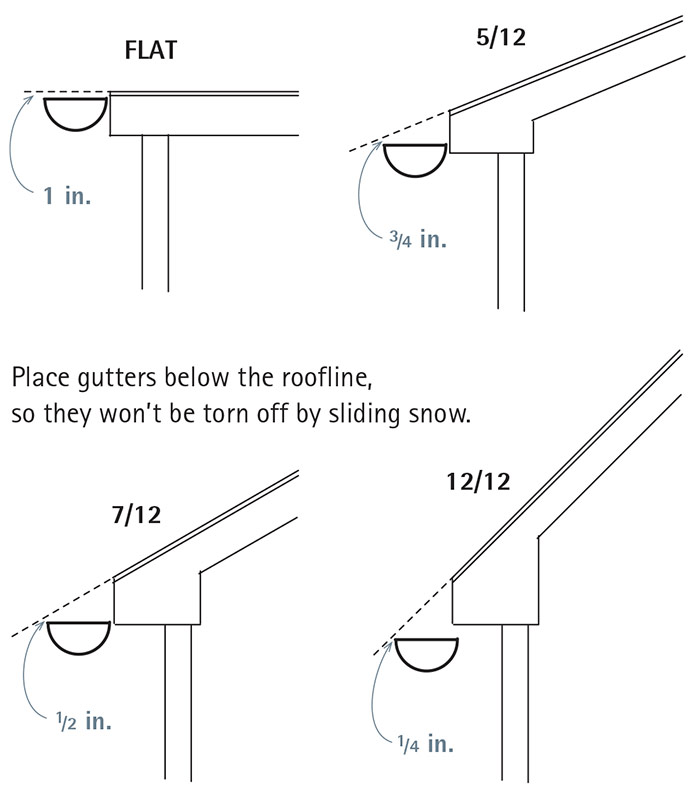
For a typical one-story residence, roof gutters are usually installed just below the roofline:
- Industry Standard Height
- On average, gutters are set 6 to 8 inches below the roof’s peak fascia board (the wooden board behind the gutter).
- In English measurements, that’s about 1/2 to 2/3 of a foot.
- Measuring from Ground Level
- A standard single-story home is around 8 to 10 feet tall, so expect the gutter’s lowest point to be near 7–9 feet above grade.
- Regional Adjustments
- In areas with heavy snowfall or rainfall, installers may position gutters slightly lower—9 to 12 inches below fascia—ensuring effective water flow during storms.
- Roof Style and Pitch Considerations
- Low-pitched roofs may need deeper gutters or more drop, while high-pitched roofs require exact height for effective runoff.
Decoding the Math Behind Gutter Height
To determine correct placement, follow this formula:
javaCopyEditRoof pitch (rise/run) + gutter depth + desired downspout placement = final gutter height.
Example:
A common 4/12 pitched roof has a rise of 4 inches for every foot of run. On one-story homes, gutter installers will place the box roughly 6 inches below the fascia edge and slope it slightly—about 1/4 inch per 10 feet—to ensure drainage toward the downspout.
Tools Needed for Checking and Adjusting Gutter Height
To measure or adjust gutter height, you’ll need:
- Tape measure (minimum 25 ft)
- Level or laser level
- Gutter screws and hangers
- Extension ladder rated for homeowner use
- Chalk line for layout
- Silicone sealant for seal points
Step-By-Step Guide to Proper Gutter Installation
- Inspect size and style: Choose 5″ or 6″ K-style or half-round gutters based on rainfall and roof size.
- Mark the fascia line: Start at the downspout and measure 6″ below fascia for your first point.
- Snap chalk line: Stretch from end to end maintaining consistent slope—about 1/8″ to 1/4″ drop per 10 feet.
- Install hangers: Place them every 18–24 inches, aligning with your chalk line.
- Attach gutter sections carefully, ensuring seals on each joint.
- Install downspouts to direct water at least 5 feet away from your home foundation.
- Check for proper flow by running water through the gutter with a hose.
Common Issues Related to Incorrect Gutter Height
- Too Low — debris buildup and poor drainage
- Too High — rainwater spills behind gutters, damaging siding
- Insufficient Slope — water stagnates and clogs
- Misaligned Downspouts — result in foundation pooling
Maintenance Tips for Gutter Longevity
- Clean twice annually, especially in autumn and spring
- Inspect slope by checking water flow after rainfall
- Replace fasteners if sagging occurs
- Seal leaks with silicone caulk
- Ensure gutter guards don’t disrupt water entrance
- Extend downspouts with splash blocks or flexible settings
Real-Life Examples: Height Adjustments on One-Story Homes
Example 1: Renovated Bungalow
A 9-ft tall bungalow had outdated gutters too high above eaves—rain was pooling behind the fascia. Lowering the gutter 4” prevented siding rot.
Example 2: Heavy Rain Region Home
In Seattle, a gutter set with a 1″ drop per 10 ft directed all rain away during monsoons, eliminating splashback to the foundation.
Example 3: Snow-Prone Suburb
Utah home added heated gutter cables in recessed, lower-mounted gutters to avoid ice dams—an essential adjustment based on local climate.
The Structural Importance of Proper Gutter Placement
Even minor deviations in height or slope contribute to water pooling, fascia rot, and eventual foundation damage. Well-installed gutters channel water away from:
- Siding panels
- Window and door thresholds
- Landscaping beds
- Exterior electrical fixtures
All of these protect overall home durability and reduce expensive repairs.
Final Thoughts & Summary
Understanding how high are roof gutters on a one story house means balancing standardized installation heights with thoughtful considerations for climate, pitch, and local water patterns. A rule of thumb—6 to 8 inches below the roofline—serves many homes well. When combined with precise slope and securely-fastened hardware, this ensures efficient water flow, protects your home’s structure, and avoids trouble.
By verifying or adjusting gutter placement today, you’re investing in prevention that saves money—and hassle—down the line.



Leave a Reply