Flat roofs are an increasingly popular choice for modern homes due to their sleek aesthetics, affordability, and functionality. However, one common question homeowners ask is: “How long does a flat roof last on a house?” The answer varies depending on several factors including roofing material, installation quality, environmental conditions, and ongoing maintenance.
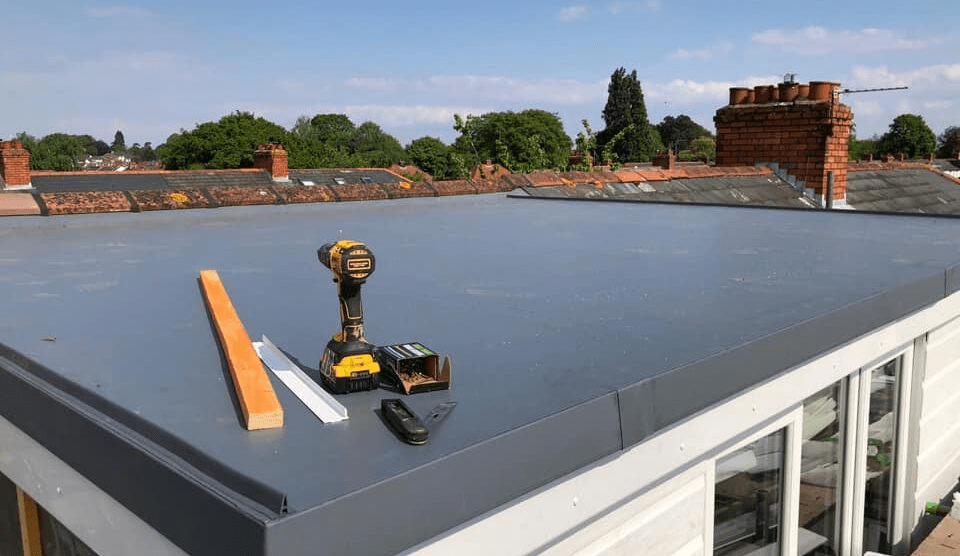
In this comprehensive guide, we’ll explore everything you need to know about the lifespan of a flat roof on a house, compare different materials, and give you practical advice on maximizing your roof’s longevity.
Read too: Hail Damage Roof Repair: Essential Guide to Restoring Your Home’s Protection
How Long Does A Flat Roof Last On A House?
The life expectancy of a flat roof can range anywhere from 10 to 50 years, depending on the material used and the level of care it receives. Let’s break this down by material type and other essential factors that impact durability.
1. Average Lifespan by Roofing Material
Not all flat roofs are built the same. The type of material used plays a significant role in determining how long your flat roof will last.
a. Built-Up Roof (BUR)
- Lifespan: 15–30 years
- Material: Layers of tar, asphalt, and gravel
- Pros: Durable, good insulation
- Cons: Heavy and difficult to install
b. Modified Bitumen
- Lifespan: 10–20 years
- Material: Asphalt with rubber modifiers
- Pros: Easy to install, cost-effective
- Cons: Vulnerable to punctures and UV damage if not coated
c. EPDM Rubber
- Lifespan: 25–30 years
- Material: Synthetic rubber
- Pros: Flexible, weather-resistant
- Cons: Vulnerable to physical damage from debris or sharp objects
d. TPO (Thermoplastic Olefin)
- Lifespan: 15–25 years
- Material: Single-ply membrane
- Pros: Energy-efficient, white reflective surface
- Cons: Quality varies by manufacturer
e. PVC (Polyvinyl Chloride)
- Lifespan: 20–30 years
- Material: Plastic-based
- Pros: Chemical resistant, long lifespan
- Cons: Expensive upfront cost
2. Factors That Impact Flat Roof Longevity
While material is the most critical factor, several other elements contribute to how long a flat roof lasts on a house.
a. Climate and Weather
Flat roofs are more vulnerable in areas with:
- Heavy snowfall (added weight)
- Constant sun exposure (UV degradation)
- High winds and storms (material lifting or tearing)
b. Installation Quality
- Improper installation can lead to drainage issues, leaks, and early deterioration.
- Always hire experienced and certified roofing professionals.
c. Drainage and Water Ponding
- Poor drainage leads to water pooling, which can accelerate membrane breakdown.
- A flat roof should have a slight pitch or installed drains to avoid ponding water.
d. Roof Access and Usage
- Using the roof as a patio or deck? Extra foot traffic wears it down faster.
- Installing HVAC units? Adds weight and introduces risk of punctures or leaks.
e. Maintenance Routine
- Annual inspections and maintenance can significantly extend your roof’s lifespan.
- Promptly fix small cracks, seams, or water stains to prevent bigger issues.
3. Signs Your Flat Roof May Be Failing
Knowing the warning signs can help you intervene early and avoid costly repairs or replacements.
Look out for:
- Frequent leaks or water stains on interior ceilings
- Bubbling or blistering on the roof surface
- Pooling water that doesn’t drain within 48 hours
- Cracks or splits in roofing material
- Mold, mildew, or foul smells in the attic or upper rooms
- Loose flashing or seams
If your roof is over 15–20 years old and experiencing multiple issues, it may be time to replace it.
4. How to Extend the Lifespan of Your Flat Roof
Understanding how long a flat roof lasts on a house is one thing—knowing how to prolong its life is another. Here’s how to get the most out of your flat roof investment.
a. Schedule Regular Inspections
- Inspect your roof at least twice a year—once in spring and once in fall.
- Check after major storms or heavy snowfall.
b. Clean Debris Regularly
- Remove leaves, branches, and other debris that can trap moisture or damage the surface.
- Keep drainage systems like scuppers and downspouts clear.
c. Apply Protective Coatings
- Acrylic or silicone coatings reflect UV rays and add waterproofing.
- These coatings can extend your roof’s life by 5–10 years.
d. Repair Small Issues Promptly
- Don’t wait until a small crack becomes a leak.
- Patch holes, reseal seams, and replace flashing when needed.
e. Limit Roof Traffic
- Install walk pads if you need regular access to equipment.
- Discourage recreational use to avoid damage.
5. When Should You Replace a Flat Roof?
Even with great care, all roofs eventually reach the end of their useful life. Here’s how to know when it’s time to replace rather than repair:
Consider a replacement when:
- The roof is over 25–30 years old.
- Repairs become frequent and costly.
- There is widespread water damage.
- Energy bills are increasing due to poor insulation.
- Mold and mildew issues persist despite treatment.
6. Cost of Replacing a Flat Roof
Understanding the financial aspect is crucial for homeowners planning a roof replacement.
Average cost in the US:
- $4 to $13 per square foot
- Total cost: $5,000–$15,000 depending on size and material
Higher-end materials like PVC or TPO cost more upfront but may save money long-term through fewer repairs and better energy efficiency.
7. Flat Roofs vs. Pitched Roofs: Which Lasts Longer?
If you’re considering whether to keep a flat roof or switch to a pitched one, consider the following:
| Feature | Flat Roof | Pitched Roof |
|---|---|---|
| Lifespan | 10–30 years | 20–50 years |
| Cost | Lower upfront | Higher upfront |
| Maintenance | More frequent | Less frequent |
| Space use | Allows rooftop use | Limited utility |
Flat roofs can be just as effective as pitched roofs with the right design and maintenance strategy.
8. Eco-Friendly Flat Roof Options
Flat roofs can also be adapted for sustainability, which may influence your choice of material and lifespan.
Green (Living) Roofs
- Consist of a waterproof membrane plus soil and vegetation
- Lifespan: Up to 40 years
- Benefits: Insulation, stormwater absorption, energy efficiency
Cool Roofs
- Made from reflective materials to reduce heat absorption
- Can lower summer energy bills and prolong roof life
Final Thoughts
So, how long does a flat roof last on a house? The answer depends heavily on the material, climate, and care it receives. On average, a flat roof can last anywhere from 10 to 30 years—sometimes more with premium materials and attentive maintenance.
Investing in the right roofing material and routine care can extend the life of your flat roof, save you money, and give you peace of mind. Whether you’re installing a new roof or managing an existing one, understanding the factors that impact longevity will help you make informed decisions for your home.
Leave a Reply