If you’ve ever noticed a home with a dark roof, you may wonder what it implies. A House Roof That Is Painted Black Is Also associated with specific design choices, heat absorption properties, and energy considerations.
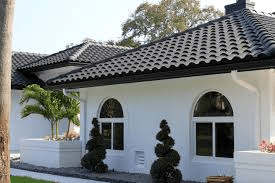
While black roofs can create a bold architectural look, they also influence indoor temperature and energy efficiency. In this guide, we’ll explain what a black roof means, its advantages and drawbacks, and whether it’s the right choice for your home.
Read too: How Long Do Standing Seam Metal Roofs Last? A Comprehensive Guide to Durability and Longevity
A House Roof That Is Painted Black Is Also Known for Heat Absorption
The most important characteristic of a black roof is heat absorption.
Dark colors naturally absorb more sunlight compared to lighter colors. When sunlight hits a black roof, a large portion of that energy is converted into heat.
This means a house roof that is painted black is also known as a “heat-absorbing roof.”
According to building science research:
- Dark roofs can absorb up to 90% of solar radiation
- Light-colored roofs reflect much more sunlight
- Surface temperatures can differ by 20–40°F
Roofing is an essential component of building structures and insulation systems. You can learn more about roofing systems here:
https://en.wikipedia.org/wiki/Roof
Why Do Some Homes Choose Black Roofs?
Even though black roofs absorb heat, they remain extremely popular in residential design.
Main Reasons Homeowners Choose Black Roofs
- Modern appearance
- Architectural contrast
- Compatibility with many exterior colors
- Snow melting benefits in cold climates
Black roofs work particularly well with:
- White houses
- Gray siding
- Brick homes
- Contemporary architecture
Design experts often consider black roofs a timeless exterior style choice.
Advantages of a Black Roof
A black roof can provide several benefits depending on climate and design goals.
1. Strong Visual Appeal
Black roofs create clean lines and strong contrast.
Architects often recommend black roofing for:
- modern homes
- minimalist architecture
- farmhouse-style houses
2. Faster Snow Melting
In colder climates, dark roofs absorb sunlight and help snow melt faster.
Benefits include:
- Reduced snow buildup
- Lower ice dam risk
- Less roof weight during winter
3. Works with Most Exterior Colors
Black is a neutral color.
It pairs well with:
- white siding
- beige stucco
- red brick
- wood paneling
This versatility makes black roofs one of the most commonly chosen roofing colors in North America.
Disadvantages of a Black Roof
While attractive, black roofs also have some drawbacks.
1. Higher Heat Absorption
Because black surfaces absorb sunlight, attic temperatures can increase significantly.
This may result in:
- Higher indoor temperatures
- Increased air conditioning use
- Greater cooling costs in hot climates
2. Faster Material Aging
Excess heat can accelerate roof material aging.
Some roofing materials exposed to high temperatures may experience:
- faster shingle wear
- curling
- reduced lifespan
3. Energy Efficiency Concerns
In warm regions, lighter roof colors often improve energy efficiency.
According to energy studies:
- Dark roofs can increase cooling demand by 10–15% in hot climates.
Black Roof vs Light Roof Comparison
Here’s a simple comparison to help homeowners understand the difference.
| Feature | Black Roof | Light Roof |
|---|---|---|
| Heat absorption | High | Low |
| Cooling cost | Higher in hot climates | Lower |
| Snow melting | Faster | Slower |
| Visual style | Modern and bold | Bright and reflective |
The best choice often depends on local climate and home design goals.
Is a Black Roof Good for Energy Efficiency?
The answer depends largely on climate.
In Cold Climates
Black roofs can be beneficial because they:
- absorb sunlight
- reduce heating needs
- help melt snow
In Hot Climates
Black roofs may increase cooling costs.
Homes in warmer areas often benefit from:
- reflective roofs
- lighter roofing materials
- cool roof coatings
How to Reduce Heat From a Black Roof
If you like the appearance of a dark roof but want to reduce heat buildup, several strategies can help.
1. Improve Attic Insulation
Proper insulation blocks heat from entering living spaces.
Recommended attic insulation value in the U.S.:
R-38 to R-60
2. Install Roof Ventilation
Good ventilation removes hot air from the attic.
Typical systems include:
- ridge vents
- soffit vents
- attic fans
3. Use Reflective Roofing Materials
Some modern black roofing materials are designed with solar-reflective technology.
These materials absorb less heat while maintaining a dark appearance.
Step-by-Step: Painting a Roof Black
If you’re considering painting your roof black, follow these steps carefully.
Step 1: Inspect the Roof
Check for:
- damaged shingles
- leaks
- structural issues
Repair problems before painting.
Step 2: Clean the Surface
Use a pressure washer with:
- 2–3 liters of cleaning solution per square meter
- water temperature around 22–28°C
Remove dirt, algae, and debris.
Step 3: Apply Roof Primer
A primer helps paint adhere properly.
Allow the primer to dry for 24 hours.
Step 4: Apply Roof Coating
Use weather-resistant roof paint.
Apply two coats for durability.
Wait 12–24 hours between coats.
Step 5: Allow Proper Drying
Roof coatings typically require 48 hours of curing time.
Avoid walking on the roof during this period.
Design Ideas for Homes With Black Roofs
Black roofs work best with specific exterior combinations.
Popular Color Pairings
- White house + black roof
- Gray siding + black roof
- Wood siding + matte black roof
- Brick exterior + dark roof
These combinations create high contrast and visual balance.
Advantages vs Disadvantages of Black Roofs
Advantages
- Elegant and modern appearance
- Faster snow melting
- Works with many house colors
Disadvantages
- Higher heat absorption
- Potentially higher cooling costs
- Increased attic temperatures
Balancing design and climate considerations is key when choosing roof color.
FAQ – A House Roof That Is Painted Black Is Also
Q1: What does a black roof mean for a house?
A black roof mainly means the roof absorbs more heat and creates strong architectural contrast. It’s often chosen for design aesthetics.
Q2: Does a black roof make a house hotter?
Yes, black roofs absorb more solar heat. However, proper insulation and ventilation can significantly reduce indoor temperature effects.
Q3: Is a black roof bad for energy efficiency?
Not necessarily. In colder climates, black roofs can actually help reduce heating costs by absorbing sunlight.
Q4: Do black roofs last as long as other colors?
Roof lifespan depends more on material quality and maintenance than color alone. However, heat exposure can slightly accelerate wear.
Q5: What exterior colors work best with black roofs?
Black roofs pair well with:
- white homes
- gray siding
- brick exteriors
- natural wood finishes
Q6: Should I paint my roof black?
Painting your roof black can enhance curb appeal, but you should consider climate, insulation, and energy efficiency before making the decision.
Conclusion
So, A House Roof That Is Painted Black Is Also known for its heat-absorbing properties and striking visual style. While dark roofs create bold architectural appeal, they can influence indoor temperatures and energy usage.
Choosing a black roof can be a great option in colder climates or for homeowners prioritizing modern design. With proper insulation, ventilation, and roofing materials, many of the potential drawbacks can be minimized.
If you found this guide helpful, share it on social media so other homeowners can better understand how roof color affects comfort, efficiency, and home design.
Leave a Reply