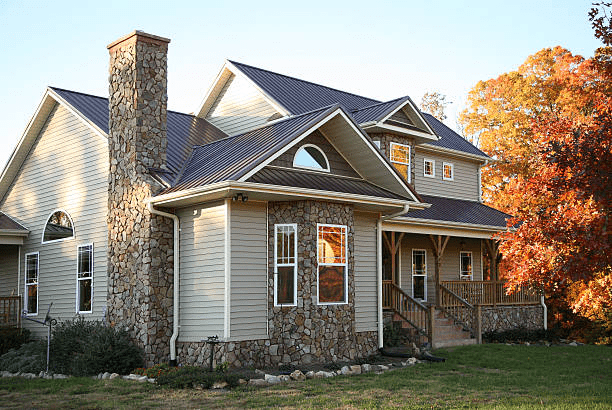
Many homeowners notice that modern houses often feature sloped metal roofs rather than flat ones. A House With A Metal Roof At An Angel—more accurately described as an angled or pitched metal roof—is designed to improve water drainage, structural strength, and long-term durability.
/If you’re planning to build or renovate a home, understanding how angled metal roofs work can help you make smarter design decisions. In this guide, we’ll explore why metal roofs are installed at an angle, their benefits, optimal roof pitch, and practical installation tips.
Read too: How Long Do Standing Seam Metal Roofs Last? A Comprehensive Guide to Durability and Longevity
A House With A Metal Roof At An Angle: What It Means
When discussing A House With A Metal Roof At An Angel, the phrase typically refers to a pitched metal roof.
A roof pitch describes the steepness or slope of a roof, measured as vertical rise over horizontal run.
For example:
- 4:12 pitch means the roof rises 4 inches for every 12 inches of horizontal distance.
- 6:12 pitch means the roof rises 6 inches per 12 inches of run.
Metal roofing systems perform best when installed with a slope because it allows water and debris to slide off easily.
Roof pitch plays an important role in architectural engineering and weather protection. You can learn more about roof design here:
https://en.wikipedia.org/wiki/Roof
Why Are Metal Roofs Installed at an Angle?
A sloped metal roof isn’t just for aesthetics—it serves important functional purposes.
1. Efficient Water Drainage
One of the primary reasons for angled roofs is water management.
Rainwater flows downward along the slope and drains quickly.
Benefits include:
- Reduced water pooling
- Lower leak risk
- Improved roof lifespan
2. Snow Shedding
In colder climates, snow accumulation can damage roofs.
An angled metal roof allows snow to slide off naturally, preventing excessive weight buildup.
Metal surfaces are naturally smooth, which helps snow slide off more easily.
3. Structural Strength
Roof angles distribute weight more evenly across the structure.
This improves resistance against:
- heavy rain
- snow loads
- wind pressure
According to construction experts, pitched roofs typically last longer than flat roofs because they shed moisture more effectively.
Ideal Roof Pitch for Metal Roofing
Different metal roofing systems require specific pitch ranges.
Recommended Metal Roof Slopes
| Roof Type | Minimum Pitch |
|---|---|
| Corrugated metal | 3:12 |
| Standing seam metal | 1:12 |
| Metal shingles | 4:12 |
Standing seam roofs can work with lower slopes because their seams prevent water penetration.
Types of Metal Roof Designs at an Angle
Several roof styles incorporate angled metal roofing.
1. Gable Roof
The gable roof is one of the most common residential roof designs.
Features:
- two sloping sides
- triangular shape
- excellent drainage
2. Shed Roof
A shed roof uses a single sloped surface.
This design is common in:
- modern homes
- cabins
- eco-friendly architecture
3. Hip Roof
A hip roof slopes on all four sides.
Advantages include:
- strong wind resistance
- balanced structure
- attractive symmetry
Advantages of Metal Roofs Installed at an Angle
Metal roofs provide numerous benefits compared to traditional asphalt roofs.
1. Long Lifespan
Metal roofs typically last 40–70 years, significantly longer than asphalt shingles.
2. Energy Efficiency
Many metal roofs reflect sunlight rather than absorbing it.
This helps reduce cooling costs in warm climates.
3. Fire Resistance
Metal roofing materials are non-combustible, offering excellent fire protection.
4. Lightweight Construction
Metal roofing weighs significantly less than tile or concrete roofs.
This reduces structural stress on the home.
Advantages vs Disadvantages of Angled Metal Roofs
Advantages
- excellent water drainage
- long lifespan
- strong wind resistance
- energy-efficient materials
Disadvantages
- higher installation cost
- noise during heavy rain
- requires skilled installation
Despite the higher initial cost, many homeowners find that metal roofs save money over time through durability and low maintenance.
Step-by-Step: Installing a Metal Roof at an Angle
Installing a metal roof requires precision and proper preparation.
Step 1: Measure the Roof Pitch
Use a level and measuring tape.
Example calculation:
- 12 inches horizontal run
- 6 inches vertical rise
This equals a 6:12 pitch.
Step 2: Install Roof Decking
Roof decking provides a base for the metal panels.
Materials often used include:
- plywood
- oriented strand board (OSB)
Step 3: Apply Waterproof Underlayment
Underlayment protects the roof from moisture.
Use synthetic roofing underlayment for better durability.
Step 4: Install Metal Panels
Metal panels are installed from the bottom edge upward.
Typical spacing:
- screws placed every 12–18 inches
Panels overlap slightly to prevent leaks.
Step 5: Secure Ridge Cap
The ridge cap covers the roof peak.
This ensures:
- water protection
- proper ventilation
Maintenance Tips for Angled Metal Roofs
Metal roofs require minimal maintenance, but regular inspections help extend lifespan.
Maintenance Checklist
Inspect your roof once per year for:
- loose fasteners
- debris accumulation
- damaged panels
- clogged gutters
Clean the Roof Surface
Use water and mild detergent.
Recommended mixture:
- 2 liters of water
- 50 ml mild cleaning solution
Avoid abrasive brushes that could scratch the coating.
Design Ideas for Homes With Angled Metal Roofs
Metal roofs work well with many architectural styles.
Popular Design Styles
- modern farmhouse
- mountain cabins
- minimalist homes
- contemporary architecture
Color options include:
- charcoal black
- matte gray
- copper bronze
- classic silver
These finishes enhance curb appeal and architectural identity.
Environmental Benefits of Metal Roofing
Metal roofing is considered environmentally friendly.
Sustainability Benefits
- 100% recyclable materials
- reduced landfill waste
- energy-efficient coatings
Many metal roofs contain 25–95% recycled content, depending on the manufacturer.
FAQ – A House With A Metal Roof At An Angle
Q1: Why are metal roofs installed at an angle?
Angled metal roofs improve water drainage, prevent snow buildup, and increase overall durability.
Q2: What is the minimum slope for a metal roof?
Most metal roofs require at least a 3:12 pitch, although standing seam roofs can work with lower slopes.
Q3: Are angled metal roofs more expensive?
Yes. Metal roofing typically costs more upfront than asphalt shingles, but it lasts significantly longer.
Q4: Do metal roofs make houses hotter?
Not necessarily. Many modern metal roofs reflect sunlight and improve energy efficiency.
Q5: Are metal roofs noisy during rain?
Rain noise can occur, but proper insulation and underlayment significantly reduce sound levels.
Q6: How long does a metal roof last?
A well-installed metal roof can last 40–70 years, depending on maintenance and climate conditions.
Conclusion
A House With A Metal Roof At An Angel (Angle) represents a practical and durable roofing solution used in modern architecture. The angled design allows rain, snow, and debris to slide off efficiently while improving the structural integrity of the roof.
Combined with the long lifespan, energy efficiency, and low maintenance of metal roofing, angled metal roofs remain one of the most reliable choices for homeowners.
If you found this guide helpful, share it on social media so more homeowners can learn the benefits of angled metal roofs and make informed roofing decisions.
Leave a Reply