Many homeowners eventually need more living space but don’t want to move to a new house. One creative solution is Adding Room Addition To Back Of House On Roof, which allows you to expand your home vertically instead of outward.
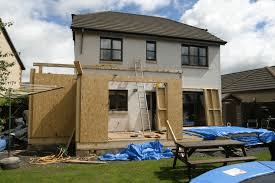
This type of project can create extra bedrooms, home offices, or guest suites without sacrificing yard space. In this guide, we’ll explore design ideas, construction steps, costs, and practical tips for adding a room above the back section of your home.
Read too: Is It Reasonable to Ask the Seller to Replace the Roof?
What Is Adding Room Addition To Back Of House On Roof?
Adding Room Addition To Back Of House On Roof refers to building a new room above an existing section of your house, usually over a ground-floor extension, garage, or rear structure.
Instead of building outward, the project expands the home upward by using the existing roof area.
This type of renovation is sometimes called:
- second-story addition
- rooftop extension
- vertical home expansion
You can learn more about structural building concepts here:
https://en.wikipedia.org/wiki/Building
Why Homeowners Choose Roof Additions
Adding a room above the back of a house has become increasingly popular, especially in cities where land is limited.
Key reasons homeowners choose this option
- limited yard space
- growing family needs
- desire for higher property value
- zoning restrictions on outward expansion
In many cases, adding a second-story room can increase property value by 15–25%, depending on design and location.
Types of Room Additions Built on Roof Areas
There are several design approaches when building a room above the back of a house.
1. Second-Story Room Addition
This is the most common type of roof addition.
Typical uses
- extra bedroom
- home office
- master suite
- guest room
The structure is built above the existing rear portion of the house.
2. Bonus Room Above Garage
Many homes have garages attached to the back of the house.
This area can often support an additional room.
Popular uses
- game room
- home gym
- studio space
- rental unit
Garage-top rooms are one of the most cost-efficient additions.
3. Rooftop Studio or Office
Some homeowners build modern rooftop rooms designed for work or creativity.
Features
- large windows
- skylights
- open floor plan
These rooms provide excellent natural lighting.
4. Master Suite Addition
Adding a master bedroom suite above the back of the house is another popular project.
Master suite features
- walk-in closet
- private bathroom
- balcony or terrace
This type of renovation dramatically improves home functionality.
Roof Addition vs Ground-Level Addition
Homeowners often compare roof additions with ground-level extensions.
Comparison Table
| Feature | Roof Addition | Ground Addition |
|---|---|---|
| Yard space | preserved | reduced |
| Construction cost | higher | lower |
| Property impact | minimal | larger footprint |
| Views | improved | unchanged |
Roof additions are especially useful for smaller lots or urban homes.
Structural Requirements for Roof Additions
Not every roof can support a new room.
Before starting construction, engineers must evaluate the building structure.
Key structural factors
- foundation strength
- load-bearing walls
- roof framing design
- weight distribution
Some homes require reinforcement or structural upgrades before building.
Step-by-Step Guide: Adding Room Addition To Back Of House On Roof
If you’re planning a roof addition, follow these essential steps.
Step 1: Evaluate Structural Capacity
A structural engineer must determine whether your existing structure can support an additional room.
They will inspect:
- foundation condition
- wall framing
- roof load capacity
If necessary, reinforcements will be added.
Step 2: Design the New Room
Next, work with an architect to design the space.
Important design considerations include:
- ceiling height
- staircase placement
- window layout
- insulation
Good design ensures the new room blends with the existing house.
Step 3: Obtain Building Permits
Most cities require permits for structural additions.
Permits may include:
- building permit
- electrical permit
- plumbing permit (if adding a bathroom)
Local zoning laws may also restrict building height.
Step 4: Remove the Existing Roof Section
Once permits are approved, contractors will remove the roof over the construction area.
Temporary coverings protect the home during construction.
Step 5: Build the New Structure
Construction begins by framing the new walls and installing floor supports.
Typical steps include:
- install floor joists
- build wall framing
- install roof structure
- add insulation and drywall
This stage forms the structural shell of the room.
Step 6: Install Utilities and Finishes
After structural work is complete, contractors install:
- electrical wiring
- plumbing systems
- HVAC ducts
- flooring and paint
Interior finishing transforms the space into a functional room.
Cost of Adding a Room on the Roof
The cost of building a rooftop addition varies based on several factors.
Average costs
| Project Type | Cost Range |
|---|---|
| Small room addition | $40,000 – $70,000 |
| Bedroom addition | $60,000 – $120,000 |
| Master suite addition | $100,000 – $200,000 |
Labor and structural reinforcement often represent the largest expenses.
Advantages and Disadvantages of Roof Additions
Advantages
✔ preserves yard space
✔ increases property value
✔ creates better views
✔ modernizes home layout
Disadvantages
✖ higher construction cost
✖ structural complexity
✖ longer construction time
Despite the challenges, roof additions are often the best solution for limited land space.
Design Tips for Rooftop Room Additions
Professional architects recommend these design tips.
Smart design ideas
✔ match exterior materials with the original house
✔ use large windows for natural light
✔ consider skylights for sloped roofs
✔ ensure proper insulation
These features improve both comfort and aesthetics.
Common Mistakes to Avoid
Avoid these common mistakes when planning roof additions.
Mistake 1: Ignoring structural limitations
Always consult a structural engineer first.
Mistake 2: Poor staircase planning
The new staircase should not disrupt existing living space.
Mistake 3: Underestimating project costs
Unexpected structural upgrades can increase expenses.
FAQ: Adding Room Addition To Back Of House On Roof
Can you build a room on top of an existing roof?
Yes, but the structure must be evaluated to ensure it can support additional weight.
Is a rooftop addition expensive?
Yes. Roof additions usually cost more than ground-level additions because of structural reinforcement.
How long does it take to build a roof addition?
Most projects take 3–6 months, depending on design complexity and permit approvals.
Does adding a second-story room increase home value?
Yes. Many roof additions significantly increase property value and living space.
Do roof additions require permits?
Yes. Most cities require permits and inspections for structural additions.
Conclusion
Exploring Adding Room Addition To Back Of House On Roof is a great way to expand your living space without sacrificing outdoor areas. By building upward, homeowners can create new bedrooms, offices, or master suites while maintaining their existing property footprint.
Although roof additions require careful planning and structural evaluation, they can dramatically improve both home functionality and property value.
If this guide helped you understand rooftop room additions, consider sharing it on social media so other homeowners can learn how to expand their homes creatively.
Leave a Reply