Adding an exterior non-structural peak to your house roof can be a great way to enhance curb appeal without altering the integrity of your home’s structure. Whether you’re looking to give your house a more elegant appearance or mimic a specific architectural style, understanding the process, benefits, and potential challenges is crucial.
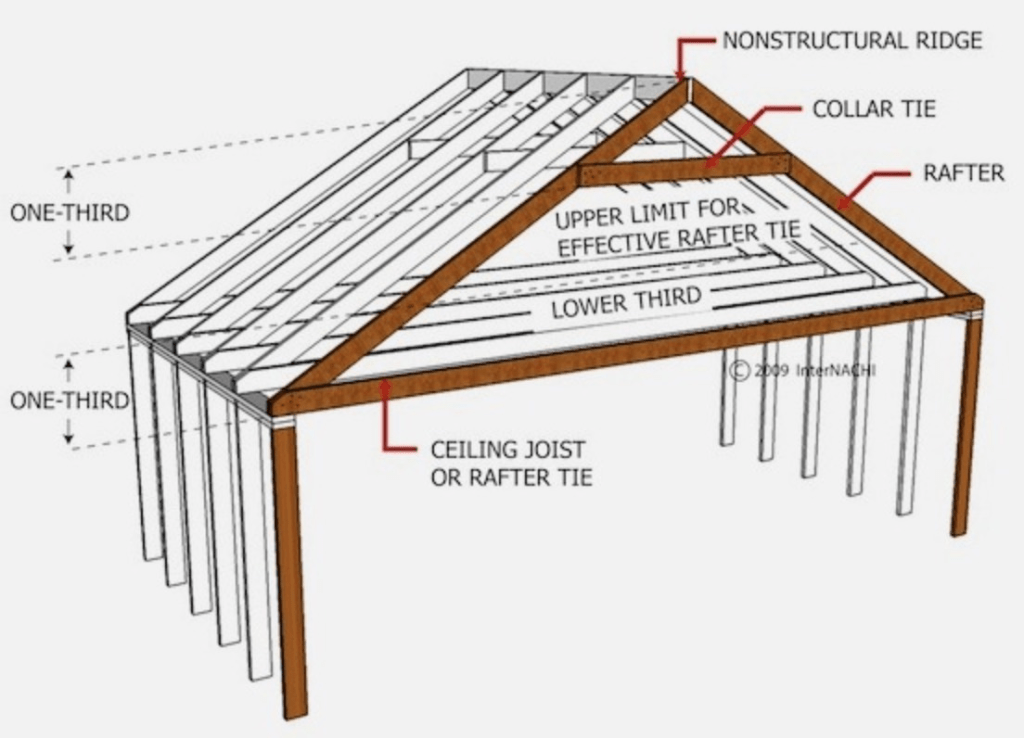
In this article, we will explore whether you can add an exterior non-structural peak to your house roof, the steps involved, materials needed, and design considerations. We will also discuss potential drawbacks and how to ensure a successful installation.
Read too: Hail Damage Roof Repair: Essential Guide to Restoring Your Home’s Protection
Can You Add Exterior Non-Structural Peak to House Roof?
Yes, you can add an exterior non-structural peak to a house roof. This type of modification is mainly for aesthetic purposes, meaning it does not bear any load or contribute to the structural support of the house. Homeowners and designers often use non-structural peaks to create a more visually appealing roofline, enhance architectural character, or make a home appear more sophisticated.
However, before adding a non-structural peak, you should consider the following:
- Material compatibility: The new peak should match or complement your existing roof material.
- Installation process: Ensure proper attachment without causing damage to the existing roof.
- Building codes and regulations: Some local codes may restrict roof modifications.
- Cost and maintenance: Factor in the price of materials and upkeep over time.
Benefits of Adding an Exterior Non-Structural Peak to Your Roof
Adding a non-structural peak to your house roof offers several advantages:
1. Enhanced Curb Appeal
A well-designed peak can make your home stand out by adding depth and character. Many homeowners choose this modification to achieve a more refined and architecturally balanced appearance.
2. Versatility in Design
Non-structural peaks come in various styles and can be customized to match different home aesthetics, such as:
- Victorian
- Colonial
- Modern farmhouse
- Craftsman
3. No Structural Complications
Since non-structural peaks are purely decorative, they do not require major structural alterations. This makes them easier and less expensive to install compared to structural changes.
4. Cost-Effective Upgrade
Compared to major renovations, adding a non-structural peak is an affordable way to give your home a fresh look. The cost will depend on the materials used and the complexity of the design.
5. Increased Property Value
Aesthetic improvements can enhance your home’s marketability and potentially increase its resale value.
How to Add an Exterior Non-Structural Peak to Your Roof
If you decide to proceed with adding a non-structural peak, here are the general steps involved:
1: Planning and Design
- Determine the size and shape of the peak based on your roofline.
- Choose materials that match your existing roof.
- Consult a roofing professional or architect if needed.
2: Check Local Building Codes
Some areas have restrictions on roof modifications, even if they are non-structural. Check with your local building authority to ensure compliance.
3: Gather Materials
Common materials used for non-structural peaks include:
- Wood (framing and decorative elements)
- Metal (for support brackets)
- Asphalt shingles, metal, or clay tiles (to match existing roof)
- PVC or fiber cement (for lightweight decorative elements)
4: Build the Frame
- Construct a lightweight frame that will be attached to the existing roof.
- Ensure that the peak is securely fastened but does not interfere with drainage or ventilation.
5: Attach to the Roof
- The peak should be installed using weather-resistant fasteners.
- Apply flashing to prevent water leaks.
6: Finish with Roofing Materials
- Cover the peak with shingles or other materials that match the roof.
- Ensure that all edges are sealed to prevent water infiltration.
Design Considerations for a Non-Structural Peak
1. Roof Style and Symmetry
The peak should blend naturally with your home’s existing architecture. Asymmetrical additions can look awkward unless intentionally designed for contrast.
2. Weight Distribution
Even though it is non-structural, the peak should be lightweight to avoid excessive stress on the existing roof.
3. Weather Resistance
Materials should be weatherproof and capable of withstanding wind, rain, and sun exposure.
4. Ventilation Impact
Ensure that adding the peak does not block roof ventilation, as this could lead to moisture problems.
Potential Challenges and How to Overcome Them
1. Roof Damage During Installation
If the peak is not properly installed, it may cause leaks or structural issues. Solution: Hire a professional or follow installation guidelines carefully.
2. Matching Materials
Finding materials that perfectly match your existing roof can be difficult. Solution: Work with a roofing expert to source the best materials.
3. Local Restrictions
Some areas may have zoning laws that prevent major exterior modifications. Solution: Check with your local authorities before starting the project.
Cost Considerations for Adding a Non-Structural Peak
The cost of adding a non-structural peak varies based on factors such as materials, labor, and complexity. Here’s a rough estimate:
- DIY installation: $500 – $2,000
- Professional installation: $2,000 – $5,000
- High-end custom design: $5,000+
To save costs, consider using prefabricated decorative gable trims instead of building a peak from scratch.
Final Thoughts
So, can you add an exterior non-structural peak to a house roof? Absolutely! This is an excellent way to enhance the aesthetics of your home without affecting its structural integrity. Whether you want to give your home a classic, modern, or craftsman-style touch, a well-designed non-structural peak can achieve the desired look with minimal effort.
Before starting, ensure you check local building codes, choose durable materials, and follow proper installation techniques. If in doubt, consulting a professional can help ensure the project is done correctly.
Leave a Reply