When it comes to modern poultry farming, efficiency, animal welfare, and cost management are top priorities. One of the most overlooked yet essential components in achieving these goals is proper insulation—especially for the roof. In this detailed guide, we’ll explore everything you need to know about Commercial Poultry House Roof Insulation For X 22 Ft Long structures, from why it matters to the best insulation materials and installation methods.
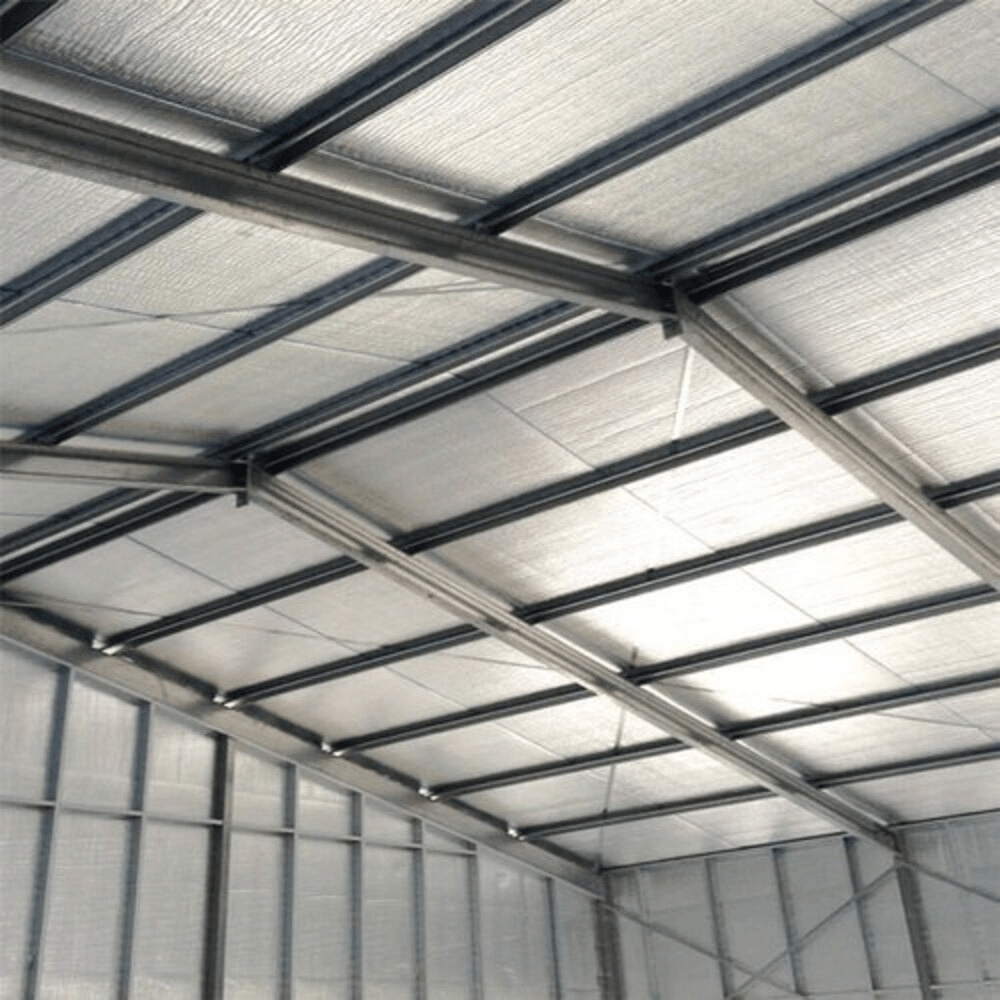
As poultry operations grow in scale, so do the challenges. From maintaining consistent temperatures to reducing energy costs and ensuring animal health, proper roof insulation plays a crucial role in creating an optimal environment for poultry farming. If your facility measures X 22 feet in length, understanding and implementing proper insulation strategies becomes even more critical due to the heat exchange dynamics of such a structure.
Read too: Hail Damage Roof Repair: Essential Guide to Restoring Your Home’s Protection
Why Insulation is Crucial in Poultry House Roofing
In any commercial poultry facility, maintaining stable indoor temperatures is crucial. Birds are highly sensitive to environmental changes. When temperatures fluctuate dramatically, it can lead to stress, reduced egg production, or even higher mortality rates.
The roof, being the most exposed surface to sunlight, becomes the main entry point for heat during summer and the major source of heat loss during winter. Therefore, Commercial Poultry House Roof Insulation For X 22 Ft Long buildings must be designed carefully to counter these extremes. Effective insulation can significantly reduce heating and cooling costs, improve ventilation efficiency, and extend the lifespan of your building.
Key Benefits of Roof Insulation in Poultry Houses
- Improved Temperature Regulation: Keeps the interior cooler in summer and warmer in winter.
- Lower Energy Costs: Reduces the need for artificial heating and cooling systems.
- Increased Poultry Productivity: Minimizes thermal stress on birds, promoting growth and egg production.
- Condensation Control: Prevents moisture build-up on the interior of the roof, reducing the risk of mold and disease.
- Durability: Protects structural elements from temperature-induced wear and tear.
Materials Used for Commercial Poultry House Roof Insulation
When selecting materials for Commercial Poultry House Roof Insulation For X 22 Ft Long facilities, consider the climate, building structure, and overall insulation goals. Below are the most popular materials:
1. Polyurethane Foam (Spray Foam Insulation)
- Excellent thermal resistance (high R-value)
- Seals gaps and cracks effectively
- Acts as both insulation and moisture barrier
- Long-lasting but more expensive
2. Fiberglass Batts
- Economical and easy to install
- Requires vapor barrier to prevent moisture
- Not ideal in very humid environments unless sealed properly
3. Reflective Foil Insulation
- Reflects radiant heat away from the building
- Works best in combination with other insulation types
- Great for hot climates
4. Rigid Foam Boards
- Durable and moisture resistant
- Can be installed under metal roofing sheets
- Provides consistent thermal performance
Each of these materials can be adapted to suit the length and structure of an X 22 Ft poultry house, ensuring the entire surface area is protected against temperature extremes.
Installation Methods: Maximizing Efficiency and Coverage
Installing Commercial Poultry House Roof Insulation For X 22 Ft Long structures requires careful planning. Here’s a step-by-step overview to help you through the process:
Step 1: Assess the Structure
Measure your roof and ensure the X 22 Ft Long dimensions are accurate. Check for existing damage, leaks, or ventilation issues.
Step 2: Choose the Right Material
Select insulation based on your region’s climate. For instance, reflective foil works better in hotter areas, while spray foam may be ideal in cold regions.
Step 3: Prepare the Roofing Surface
Clean the area to remove dust, debris, or mold. Repair any damage before proceeding.
Step 4: Install the Insulation
- Spray foam: Apply evenly across the interior roof surface.
- Fiberglass batts: Cut to size and secure between structural frames.
- Foil insulation: Staple or tape into place beneath the roof sheet.
- Rigid boards: Adhere directly or mount with fasteners, ensuring no gaps.
Step 5: Seal and Inspect
Once installed, check for gaps or areas without proper coverage. Use sealants or additional material to fill any exposed sections.
Cost and ROI of Insulating Poultry Roofs
While the initial investment in insulation may seem high, the long-term benefits are substantial. The cost of Commercial Poultry House Roof Insulation For X 22 Ft Long structures varies depending on:
- Type of insulation
- Labor costs
- Region and climate
- Thickness and R-value requirements
On average, proper insulation can reduce energy bills by up to 40%, and improve bird growth rates and egg yields—ultimately resulting in higher profitability.
Maintaining Your Poultry House Roof Insulation
Even the best insulation materials degrade over time if not properly maintained. Here are key maintenance tips:
- Inspect Annually: Check for water damage, mold, or wear.
- Replace Damaged Sections: Don’t wait for full failure; act early.
- Keep Roof Clean: Remove debris and check gutters regularly.
- Control Humidity: Use ventilation systems to prevent moisture buildup.
How to Choose the Right Commercial Poultry House Roof Insulation For X 22 Ft Long Facilities
Choosing insulation isn’t a one-size-fits-all situation. Here are the most important considerations:
Thermal Efficiency (R-Value)
Higher R-values mean better thermal resistance. For poultry houses, R-19 to R-30 is often recommended depending on location.
Moisture Resistance
In poultry environments, moisture is constant. Choose materials that can withstand humidity without degrading.
Fire Resistance
Ensure the material complies with local fire codes. Some insulation types are naturally fire-resistant, like mineral wool.
Installation Complexity
If you’re working with contractors, installation time and complexity will affect cost. Choose materials that align with your budget and timeline.
Innovations in Poultry House Insulation
The insulation industry is evolving rapidly. Here are a few modern innovations impacting poultry house roofing:
- Eco-friendly Insulation: Made from recycled materials and non-toxic substances.
- Smart Insulation Systems: Linked with sensors that adjust ventilation and temperature automatically.
- Prefabricated Panels: Speed up construction time and reduce labor costs.
Common Mistakes to Avoid
When insulating your X 22 Ft Long poultry roof, don’t fall into these traps:
- Skipping Vapor Barriers: Especially in humid areas, this can lead to mold.
- Improper Material Choice: Using residential-grade insulation may not meet poultry needs.
- Neglecting Ventilation: Insulation doesn’t replace good airflow—it complements it.
- Ignoring Roof Design: The pitch and material of the roof influence insulation effectiveness.
Conclusion
Optimizing your Commercial Poultry House Roof Insulation For X 22 Ft Long facility is one of the best decisions you can make for your poultry business. From better temperature control to increased bird health and lower utility bills, the benefits are clear. By choosing the right materials, using proper installation methods, and maintaining your setup over time, you set the stage for a productive, efficient, and sustainable poultry operation.
Whether you’re building a new facility or upgrading an existing one, never underestimate the role of insulation in shaping the success of your poultry house. With the right knowledge and tools, you can make informed decisions that yield results for years to come.
Leave a Reply