When it comes to roof repairs or renovations, one common question that homeowners often have is whether they need a permit for the work. Roof repair or replacement is a significant home improvement project, and understanding the permitting requirements is crucial. In this article, we will explore the factors that determine whether roof repair requires a permit and provide guidance on navigating the permitting process.
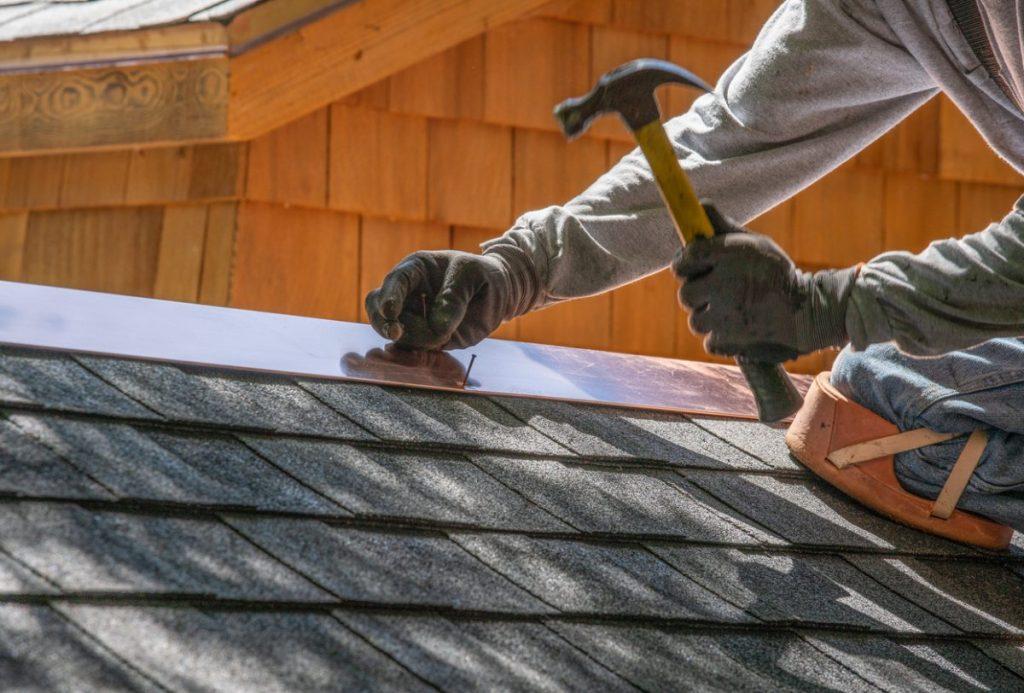
Understanding Roof Repair Permits
What is a Building Permit?
A building permit is an official document issued by your local government or municipality. It grants permission to carry out specific construction or renovation work on your property. The purpose of permits is to ensure that construction projects comply with local building codes and safety standards, ultimately safeguarding the well-being of occupants and the integrity of structures.
When is a Roof Repair Permit Required?
The requirement for a roof repair permit can vary significantly depending on your location, the extent of the repairs, and local building codes. Here are some common scenarios where a permit might be necessary:
- Structural Changes: If your roof repair involves significant structural alterations, such as modifying the roofline, adding dormers, or changing the roof’s shape, a permit is usually required.
- Complete Roof Replacement: In many areas, a full roof replacement will typically require a permit, especially if the new roofing material or design differs from the original.
- Adding New Roofing Layers: Before adding new roofing material over the existing roof, check local regulations. Some jurisdictions allow re-roofing without a permit, while others may require one.
- Solar Panel Installation: If your roof repair project includes the installation of solar panels, you may need both roofing and electrical permits.
- Historic Districts: In historic districts, special rules and permits may apply to preserve the building’s character during repairs.
Exemptions and Guidelines
In some regions, minor repairs, such as fixing a few damaged shingles or addressing small leaks, may not necessitate a permit. However, it’s essential to check with your local building department for specific guidelines and exemptions.
Advantages of Obtaining a Roof Repair Permit
While the permitting process may seem like an additional administrative task, there are several advantages to obtaining a permit for your roof repair project:
- Legal Compliance: Permits ensure compliance with local building codes, safeguarding structural safety and integrity.
- Inspection and Quality Assurance: When you get a permit, the local building department will inspect your project at different stages. These inspections help identify and rectify any potential issues, ensuring that the work is done correctly.
- Resale Value: Having permits for home improvements, including roof repairs, can enhance your property’s resale value. It provides documentation that the work was completed according to code and inspected for quality.
- Insurance Coverage: Some insurance companies may require proof of permits and inspections to cover roof-related claims.
The Permitting Process
Navigating the permitting process for roof repair typically involves these steps:
- Research: Contact your local building department or visit their website to understand the specific permitting requirements in your area.
- Application: Complete the permit application, which may require details about the scope of work, materials used, and contractor information.
- Review: The building department will review your application and may request additional information or modifications.
- Approval: Once your application is approved, you will receive the permit. Work should not commence until the permit is in hand.
- Inspections: Schedule and pass inspections at key project milestones, like after old roofing removal or before final layer application.
- Completion: Once the project is finished and passes its final inspection, the permit is closed.
Conclusion: Ensuring a Smooth Roof Repair Process
In summary, whether or not your roof repair requires a permit depends on various factors, including your location and the scope of the project. It’s essential to check with your local building department to determine the specific requirements in your area. Although the permitting process adds administrative steps, it ensures safe, quality, and compliant roof repair for a successful outcome.
Leave a Reply