If you’re building a new home or replacing an old roof, one of the first questions you’ll ask is how much does it cost to put roof on house? The price of installing a new roof depends on various factors, including the size of the house, the type of roofing materials, the complexity of the installation, and your location. In this article, we will break down the costs associated with roofing projects and give you a detailed guide to help you understand what goes into the overall price of putting a roof on your house.
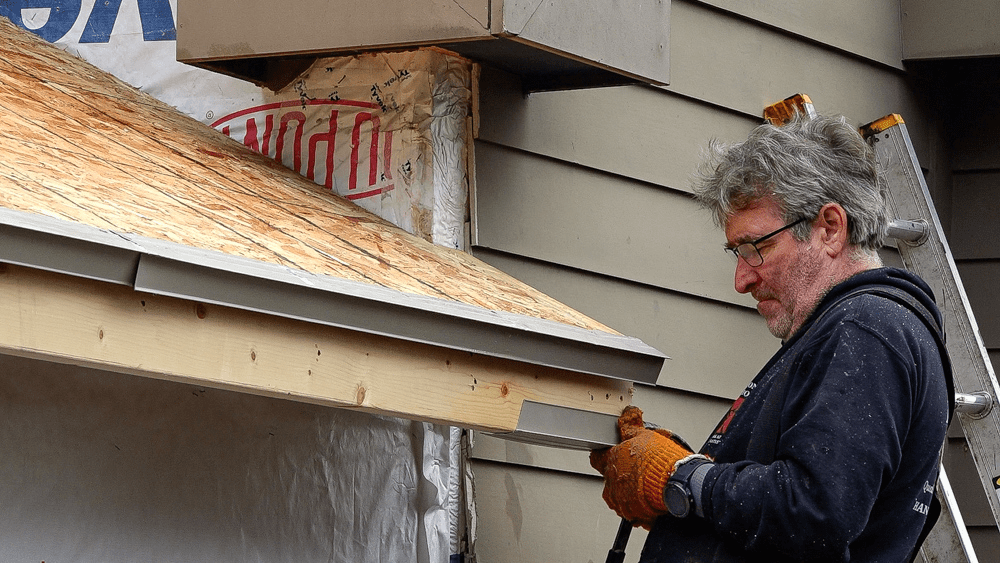
How Much Does It Cost To Put Roof On House?
When it comes to installing a new roof, the cost typically ranges from $5,000 to $15,000 for an average-sized home. However, the final price will depend on several factors, including the type of roofing material, the size of the roof, the complexity of the design, labor costs, and whether you opt for any additional features, like energy-efficient coatings or special underlayment.
The cost per square foot of roofing material is typically calculated in “squares,” which are units of 100 square feet. In general, roofing installation costs range from $4 to $12 per square foot, but this will vary significantly based on the factors we’ll discuss below.
Read too: Hail Damage Roof Repair: Essential Guide to Restoring Your Home’s Protection
Factors That Affect The Cost Of Putting A Roof On A House
1. Roof Size
The size of your roof is one of the biggest factors that determine the total cost of roofing. Roofs are measured in “squares,” which represent 100 square feet of roofing area. A typical single-family home has a roof area of approximately 1,500 to 2,500 square feet, but this can vary based on the number of stories, the layout of the house, and the design of the roof.
For example, if your home has a 2,000-square-foot roof and the cost of roofing is $5 per square foot, you could expect to pay around $10,000 for the materials and installation.
Larger homes with more complex roof designs, such as homes with multiple levels, dormers, or intricate angles, will typically cost more to roof because they require more labor and materials.
2. Type of Roofing Material
The type of roofing material you choose has a significant impact on the cost of your roof installation. Some materials are more affordable than others, while others are more durable and offer additional benefits, such as energy efficiency and better protection against extreme weather.
Here are some common types of roofing materials and their associated costs:
- Asphalt Shingles: Asphalt shingles are one of the most common and affordable roofing materials. They typically cost between $3 and $7 per square foot, making them an excellent choice for homeowners on a budget. While asphalt shingles may not last as long as some other materials, they offer a decent balance of cost and durability.
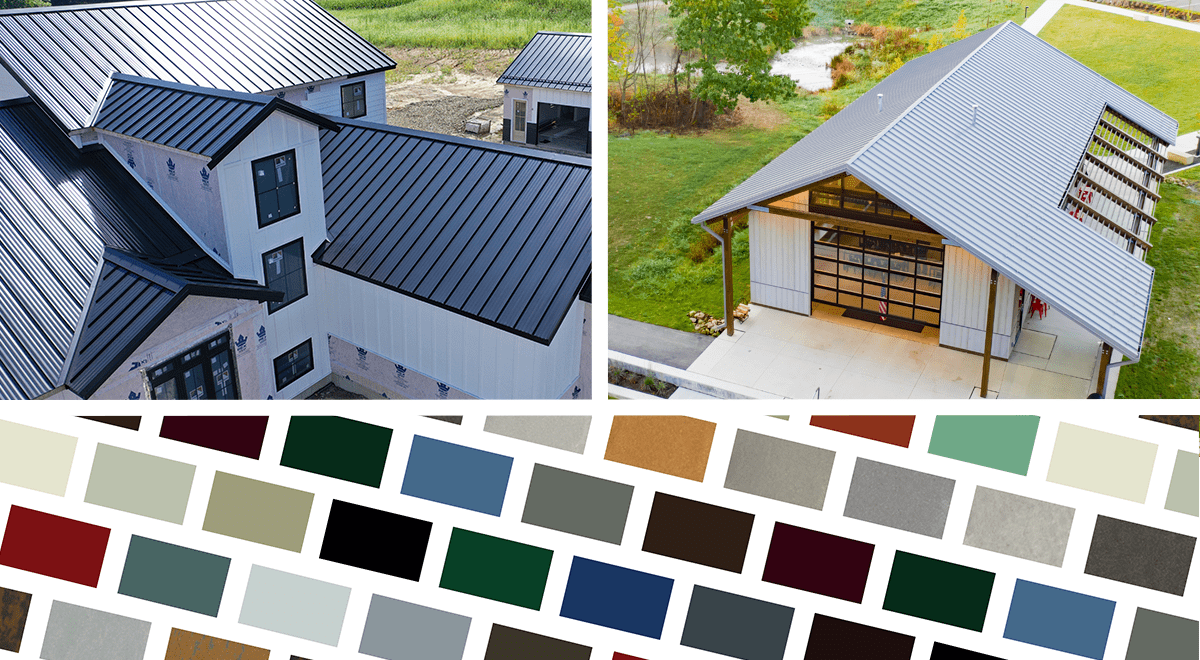
- Metal Roofing: Metal roofs, including steel, aluminum, and copper, are becoming increasingly popular for their durability and longevity. The cost of a metal roof ranges from $7 to $12 per square foot, depending on the type of metal and the style you choose. While metal roofs are more expensive upfront, they can last 50 years or more, making them a long-term investment.
- Wood Shingles or Shakes: Wood roofing materials, such as cedar shingles or shakes, offer a natural aesthetic but come with a higher price tag. You can expect to pay between $6 and $9 per square foot for wood roofing. This material requires regular maintenance to prevent issues like moss or rot.
- Clay or Concrete Tiles: Clay or concrete tile roofs are popular in warmer climates due to their ability to reflect sunlight and keep homes cool. They are highly durable but also expensive, with installation costs ranging from $10 to $15 per square foot. These roofs are heavier than other materials, so the structure of the home may need to be reinforced.
- Slate Roofing: Slate roofing is a premium option known for its beauty and longevity. It can last over 100 years with proper maintenance. However, it is one of the most expensive materials, with prices ranging from $15 to $30 per square foot. Slate is heavy and requires skilled labor to install, making it a costly choice for many homeowners.
3. Roof Complexity
The complexity of your roof’s design can significantly affect the cost of installation. Roofs with steep slopes, multiple angles, dormers, or skylights require more labor and expertise to install. These complexities can increase both the material and labor costs. Some specific factors that influence the complexity of the installation include:
- Roof Pitch: The pitch of your roof, or the steepness of the slope, affects how easy or difficult the roof is to install. Steeper roofs require more materials and may take longer to install, thus increasing the labor cost.
- Number of Roof Valleys and Dormers: Roofs with multiple valleys, dormers, or intricate features will take longer to install and may require specialized materials to ensure a proper fit. This complexity adds to the overall cost of roofing.
- Special Features: If your roof includes special features like skylights, chimneys, or vents, these may require additional materials and labor for proper installation. Make sure to account for the extra cost of flashing, sealing, and custom fitting around these features.
4. Labor Costs
Labor costs for roofing vary depending on where you live, the experience of the contractor, and the complexity of the job. On average, homeowners can expect to pay between $50 and $100 per hour for roof installation labor. However, prices can vary significantly by location.
Some contractors may also charge a flat fee or provide an estimate based on the number of “squares” of roofing that need to be installed. Labor costs typically account for 30% to 50% of the total roofing installation price, depending on your specific project.
It’s important to get multiple estimates from reputable contractors and choose a company with experience in roofing installations. Opting for the lowest price may not always be the best option, as quality craftsmanship and warranty coverage should also be considered.
5. Additional Costs
When budgeting for a roof replacement or installation, it’s important to factor in other associated costs, including:
- Roof Removal: If you are replacing an old roof, the cost of removing and disposing of the existing roofing material can add to your total cost. Roof removal costs range from $1 to $4 per square foot, depending on the material being removed.
- Underlayment and Insulation: High-quality underlayment is essential for proper waterproofing and insulation. Adding a good underlayment can cost an additional $1 to $2 per square foot.
- Flashing and Gutters: Installing or replacing flashing and gutters is often necessary during a roof installation project. This can add between $500 to $2,000 depending on the complexity of the gutter system and the type of flashing needed.
- Permits and Inspections: Depending on your local building codes, you may need to obtain permits or schedule inspections for your roofing project. Permit fees typically range from $200 to $1,000 depending on your location and the scope of the project.
How Much Does It Cost To Put Roof On House: Conclusion
In conclusion, how much it costs to put a roof on a house can vary significantly depending on the size, complexity, and materials chosen for your project. On average, homeowners can expect to pay anywhere from $5,000 to $15,000 for a full roof installation.
To get the best price, it’s essential to get multiple estimates from qualified contractors, choose the right materials for your home and budget, and be aware of any additional costs that may arise. While the upfront costs of installing a new roof may seem high, the investment in a quality roof will pay off in the long run with added protection, energy efficiency, and curb appeal.
Leave a Reply