Recreational vehicles (RVs) offer a unique and adventurous way to travel, providing the comforts of home while on the road. However, like any other vehicle, RVs require maintenance and occasional repairs. One of the most significant and costly repairs that RV owners may face is roof replacement. In this article, we will delve into the details of “How Much To Replace An RV Roof,” covering everything from cost factors to maintenance tips to help you make an informed decision.
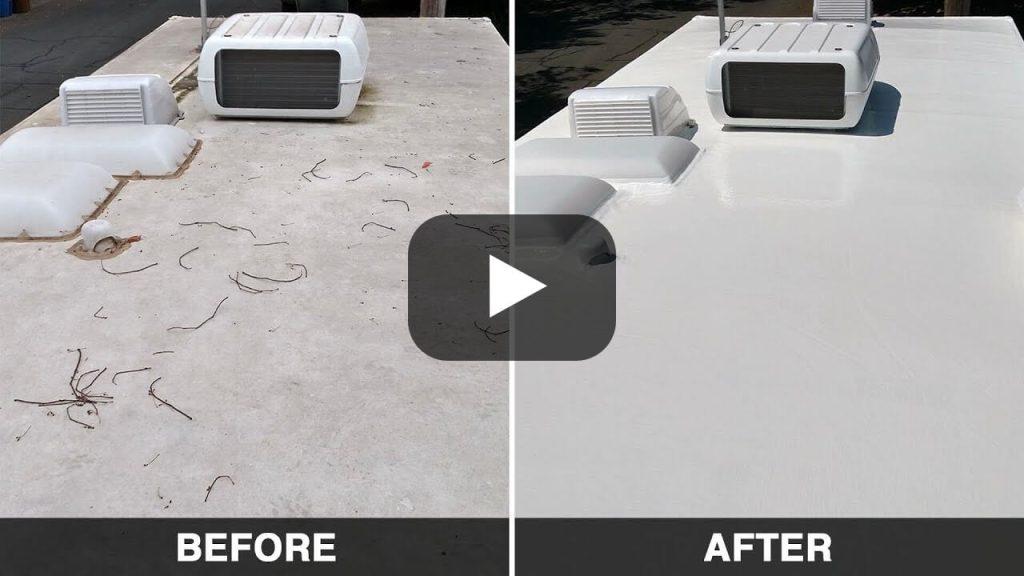
Understanding the Importance of a Good RV Roof
An RV roof is crucial as it protects the interior from the elements, preventing water damage, mold, and mildew. A well-maintained roof ensures the longevity and safety of your RV. Therefore, when the roof shows signs of wear and tear, it is essential to address the issue promptly to avoid further damage and higher repair costs.
How Much To Replace An RV Roof: Key Factors Influencing the Cost
Replacing an RV roof can be a significant investment, and several factors influence the total cost. Here are the primary considerations:
1. Type of RV Roof Material
The material used for your RV roof is one of the biggest determinants of the replacement cost. Common RV roof materials include:
- Rubber (EPDM or TPO): Rubber roofs are popular due to their affordability and ease of installation. EPDM (Ethylene Propylene Diene Monomer) and TPO (Thermoplastic Olefin) are the two types of rubber roofs, with costs ranging from $300 to $1,000 for materials alone.
- Fiberglass: Fiberglass roofs are more durable and can last longer than rubber roofs. However, they are also more expensive, with replacement costs ranging from $2,000 to $4,000.
- Aluminum: Aluminum roofs are highly durable and resistant to damage, but they can be costly, with replacement costs ranging from $2,500 to $5,000.
2. Size of the RV Roof
The size of your RV’s roof is another critical factor. Larger roofs require more materials and labor, leading to higher costs. Measure the dimensions of your RV’s roof to get an accurate estimate.
3. Labor Costs
Labor costs can vary depending on your location and the complexity of the job. Professional RV roof replacement services typically charge between $70 and $100 per hour. The total labor cost can range from $1,000 to $3,000, depending on the size and type of roof.
4. Additional Repairs
If your RV roof has extensive damage, additional repairs may be necessary. This could include replacing damaged wood, insulation, or other structural components, which can increase the overall cost.
DIY vs. Professional Roof Replacement
Many RV owners contemplate whether to replace the roof themselves or hire a professional. Each option has its pros and cons:
DIY Roof Replacement
- Pros:
- Cost savings on labor.
- Flexibility to choose materials and work at your own pace.
- Cons:
- Requires time, effort, and skill.
- Risk of improper installation leading to further damage.
- May void warranties or insurance coverage.
Professional Roof Replacement
- Pros:
- Expertise and experience ensure proper installation.
- Warranties and insurance coverage are typically maintained.
- Saves time and effort.
- Cons:
- Higher cost due to labor charges.
Steps Involved in Replacing an RV Roof
Replacing an RV roof is a detailed process that involves several steps:
- Inspection and Assessment: Determine the extent of the damage and decide whether a full replacement is necessary.
- Removal of the Old Roof: Carefully remove the existing roof material without damaging the underlying structure.
- Repairing the Substrate: Fix any damaged areas, including wood and insulation, to ensure a solid base for the new roof.
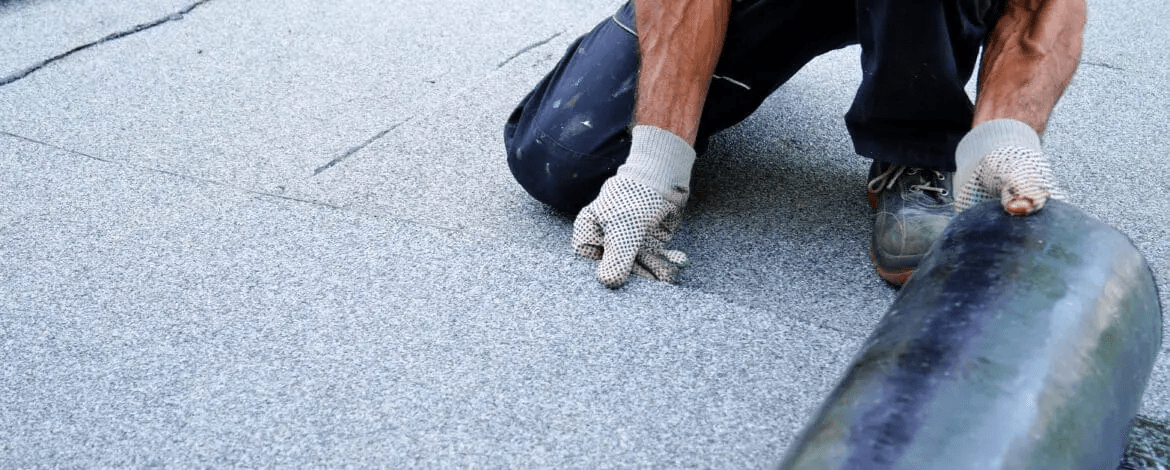
- Installation of New Roof Material: Lay down the new roofing material, ensuring it is securely attached and sealed to prevent leaks.
- Finishing Touches: Apply any necessary sealants and trim to complete the job.
Maintenance Tips to Extend the Life of Your RV Roof
Regular maintenance can significantly extend the life of your RV roof and delay the need for replacement. Here are some tips:
- Inspect Regularly: Check your roof for signs of wear and damage at least twice a year and after severe weather.
- Clean Routinely: Remove debris, dirt, and leaves to prevent buildup that can cause damage.
- Seal Leaks Promptly: Address any leaks immediately to prevent water damage.
- Use Protective Coatings: Apply UV-resistant coatings to protect the roof from sun damage.
Cost Breakdown of RV Roof Replacement
To give you a clearer picture, here’s a rough cost breakdown of an RV roof replacement:
- Materials: $300 to $5,000 (depending on the type of material)
- Labor: $1,000 to $3,000 (based on hourly rates and job complexity)
- Additional Repairs: $200 to $1,000 (if needed)
In total, RV roof replacement costs can range from $1,500 to $8,000, depending on various factors.
Read too: Decoding Timelines: How Long Does It Take To Replace A Roof and What to Expect
Conclusion: Is Replacing an RV Roof Worth It?
Investing in a new RV roof can be costly, but it is often necessary to protect your RV and ensure its longevity. By understanding the factors that influence the cost and considering whether to DIY or hire a professional, you can make an informed decision that suits your budget and needs.
Remember, regular maintenance and prompt repairs can significantly extend the life of your RV roof, saving you money in the long run.
Leave a Reply