Your roof is one of the most important parts of your home. It protects your home from the elements, such as rain, snow, and hail. A well-maintained roof can last for many years, but eventually it will need to be replaced.
In this article, we will discuss how often you need to replace your roof. We will also discuss factors that can affect the lifespan of your roof, and how to maintain your roof to extend its lifespan.
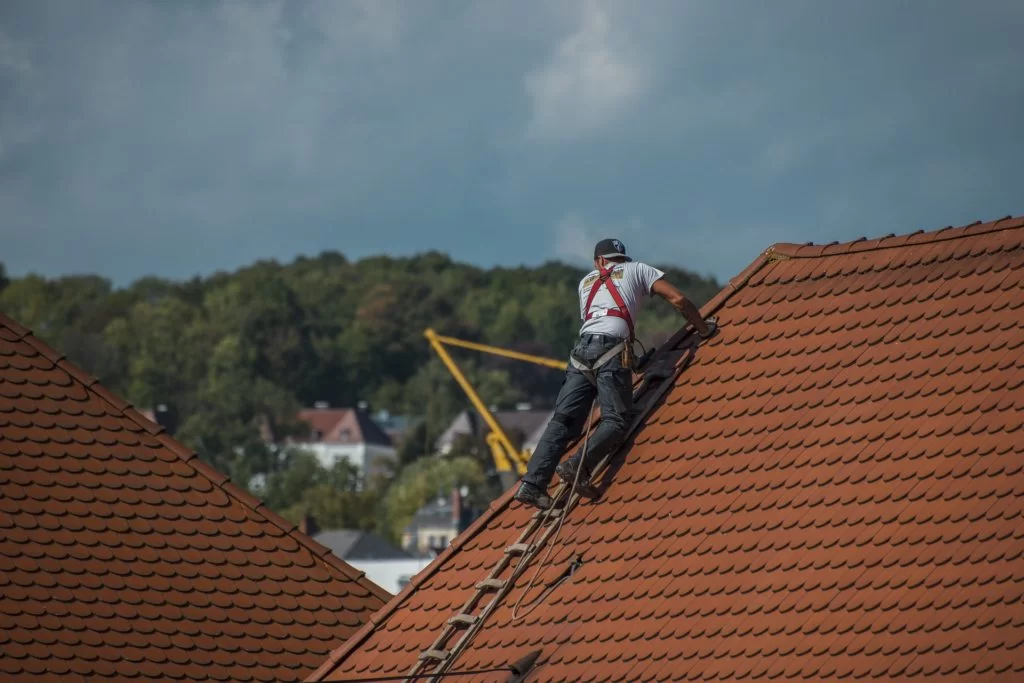
How Long Does a Roof Last?
The lifespan of a roof depends on a number of factors, including the type of roofing material, the climate, and the amount of maintenance the roof receives.
Asphalt shingles are the most common type of roofing material in the United States. They typically last for 15-25 years, but they can last for up to 30 years if they are properly maintained.
Wood shingles can last for 20-30 years, but they are more susceptible to damage from the elements than asphalt shingles.
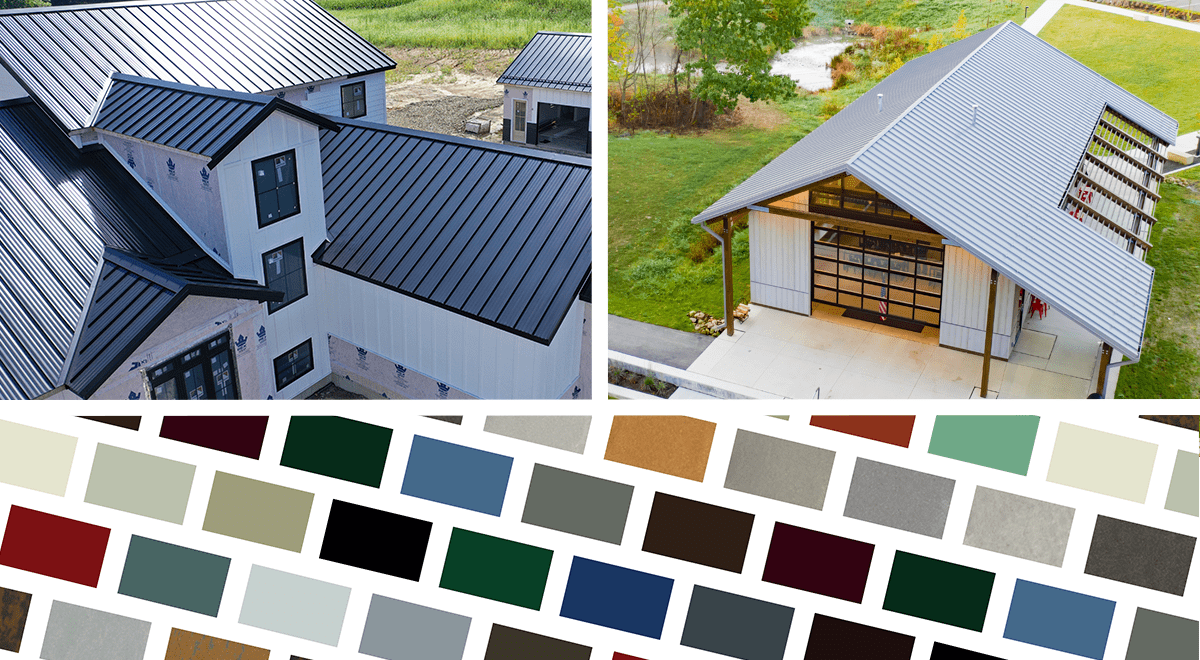
Metal roofs can last for 50-75 years, making them the most durable type of roofing material.
Factors That Affect Roof Lifespan
In addition to the type of roofing material, the following factors can affect the lifespan of your roof:
- Climate: Roofs in harsh climates, such as those with heavy snowfall or high winds, will need to be replaced more often than roofs in milder climates.
- Location: Roofs in areas with high pollution levels or acid rain may need to be replaced more often.
- Maintenance: Regular maintenance, such as cleaning and repairing any damage, can help to extend the lifespan of your roof.
How to Tell If Your Roof Needs to Be Replaced
If you think your roof may need to be replaced, there are a few signs to look for. These signs include:
- Leaks: If you notice any leaks in your roof, it is a sign that the roof is damaged and needs to be repaired or replaced.
- Damage: If you see any damage to your roof, such as missing shingles or loose flashing, it is a sign that the roof is deteriorating and may need to be replaced.
- Age: If your roof is more than 20 years old, it is a good idea to have it inspected by a professional to determine if it needs to be replaced.
How to Maintain Your Roof
There are a few things you can do to help maintain your roof and extend its lifespan. These include:
- Clean your roof regularly: Cleaning your roof will help to remove debris and dirt that can damage the shingles.
- Repair any damage immediately: If you see any damage to your roof, such as missing shingles or loose flashing, repair it immediately to prevent further damage.
- Have your roof inspected regularly: A professional inspection can help to identify any potential problems before they become serious.
Conclusion
How often do you have to replace your roof? By understanding how often you need to replace your roof, and by taking steps to maintain your roof, you can help to protect your home and extend the lifespan of your roof.
Additional Details
In addition to the information provided above, here are some additional details that you may find helpful:
- The type of roofing material you choose can have a significant impact on the lifespan of your roof. Asphalt shingles are the most affordable option, but they also have the shortest lifespan. Metal roofs are the most durable option, but they are also the most expensive.
- The climate in your area can also affect the lifespan of your roof. Roofs in harsh climates, such as those with heavy snowfall or high winds, will need to be replaced more often than roofs in milder climates.
- The amount of maintenance you provide for your roof can also extend its lifespan. Regular cleaning and repair can help to prevent damage and extend the life of your roof.
Call to Action
If you are unsure if your roof needs to be replaced, contact a professional roofing contractor for an inspection. A professional can assess the condition of your roof and recommend the best course of action.tunesharemore_vert
Leave a Reply