Installing a metal roof is one of the smartest long-term upgrades you can make to your home. If you’re researching How To Install A Metal Roof On A House, you’re likely looking for durability, energy efficiency, and lower maintenance compared to asphalt shingles. This guide explains the entire process clearly—from preparation to final inspection—so even beginners understand what’s required and where extra care is needed.
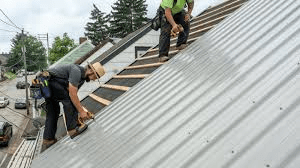
Why Choose a Metal Roof for Your House?
Metal roofing has become increasingly popular across the US for residential homes.
Key Benefits of Metal Roofing
- Longevity: 40–70 years lifespan
- Energy efficiency: Reflects solar heat
- Weather resistance: Wind, snow, fire resistant
- Low maintenance: Fewer repairs over time
According to general roofing principles (see overview on Wikipedia: https://en.wikipedia.org/wiki/Metal_roof), properly installed metal roofs outperform many traditional roofing systems in harsh climates.
Read too: Hail Damage Roof Repair: Essential Guide to Restoring Your Home’s Protection
Types of Metal Roofing for Houses
Before learning How To Install A Metal Roof On A House, you must choose the right metal roof type.
Common Residential Metal Roof Types
| Type | Description | Best For |
|---|---|---|
| Corrugated panels | Wavy pattern, exposed fasteners | Sheds, budget homes |
| Standing seam | Hidden fasteners, clean look | Modern homes |
| Ribbed panels | Flat panels with ribs | DIY installations |
| Metal shingles | Look like asphalt or slate | HOA areas |
👉 This guide focuses on exposed-fastener panel systems, the most DIY-friendly option.
Tools and Materials You’ll Need
Essential Tools
- Drill/impact driver
- Metal cutting snips or circular saw (metal blade)
- Tape measure
- Chalk line
- Roofing hammer
- Ladder and roof harness
Materials
- Metal roofing panels
- Roofing underlayment
- Synthetic ice & water shield
- Roofing screws with neoprene washers
- Ridge cap
- Drip edge and flashing
- Closure strips (foam)
Step 1: Check Building Codes and Permits
Before starting:
- Confirm local permit requirements
- Verify wind uplift and snow load ratings
- Check fire-resistance codes
Some jurisdictions require inspection even for DIY installations.
Step 2: Inspect and Prepare the Roof Deck
A solid foundation is essential.
Roof Deck Checklist
- Remove old shingles (recommended)
- Replace rotted plywood
- Ensure deck is flat and secure
- Hammer down raised nails
💡 You can install metal over shingles in some areas, but removal is best for longevity.
Step 3: Install Underlayment and Ice Barrier
Underlayment protects against moisture and condensation.
Installation Order
- Ice & water shield (eaves and valleys)
- Synthetic roofing underlayment
- Overlap seams by 4–6 inches
Secure underlayment using cap nails or staples.
Step 4: Install Drip Edge and Eave Trim
Drip edge directs water away from fascia and foundation.
Best Practices
- Install eave trim first
- Overlap sections by 2 inches
- Secure every 12–16 inches
Step 5: Measure and Plan Panel Layout
This step determines how professional your roof looks.
Layout Tips
- Measure roof width carefully
- Snap chalk lines for straight alignment
- Start from the squarest corner
- Plan overlaps before fastening
⚠️ Crooked first panels cause problems across the entire roof.
Step 6: Install Metal Roofing Panels
Now the main work begins.
Panel Installation Steps
- Place first panel square to roof edge
- Align bottom edge with eave trim
- Secure with roofing screws:
- At flat sections, not ridges
- Every 12–18 inches
- Do not overtighten screws
- Overlap next panel as specified
🔩 Screws should compress washers slightly—not flatten them.
Step 7: Install Side and End Overlaps Correctly
Proper overlaps prevent leaks.
Overlap Guidelines
- Side lap: at least 1 rib
- End lap: 6–8 inches (sealant recommended)
Use butyl tape or roofing sealant in end laps for added protection.
Step 8: Install Flashing Around Penetrations
Roof penetrations are common leak points.
Areas That Require Flashing
- Chimneys
- Vents and pipes
- Skylights
- Wall intersections
Use rubber pipe boots and metal flashing designed for metal roofs.
Step 9: Install Ridge Cap and Closure Strips
The ridge cap seals the roof peak.
Ridge Installation Steps
- Install foam closure strips
- Place ridge cap centered over peak
- Secure with screws every 12 inches
Ensure proper ventilation if using a vented ridge system.
Step 10: Final Sealing and Inspection
Before finishing:
- Inspect all screws
- Check flashing overlaps
- Seal exposed fasteners if required
- Clean metal shavings (prevent rust stains)
A careful final inspection ensures decades of performance.
Common Mistakes to Avoid
❌ Overtightening screws
❌ Skipping underlayment
❌ Installing panels out of square
❌ Cutting metal without protection
❌ Ignoring thermal expansion
Avoiding these mistakes significantly extends roof life.
How Long Does It Take to Install a Metal Roof?
| Installer | Time Estimate |
|---|---|
| DIY beginner | 4–7 days |
| DIY experienced | 2–4 days |
| Professional crew | 1–2 days |
Weather conditions can impact timelines.
Cost Breakdown for Metal Roof Installation
Average US Costs (Per Square = 100 sq ft)
- Materials: $150–$350
- Tools (if needed): $200–$500
- Professional labor: $300–$600
💡 DIY installation can save 30–50% in labor costs.
Pros and Cons of Metal Roofing
Advantages
- ✔ Long lifespan
- ✔ Energy efficient
- ✔ Fire resistant
- ✔ Lightweight
Disadvantages
- ✘ Higher upfront cost
- ✘ Noisy without insulation
- ✘ Requires precision
Is Metal Roofing DIY-Friendly?
Yes—but only if you:
- Are comfortable working at heights
- Follow manufacturer instructions exactly
- Use proper safety equipment
For steep roofs or complex layouts, professional installation is safer.
FAQ – How To Install A Metal Roof On A House
Can I install a metal roof over shingles?
In some areas yes, but removing shingles is better for inspection and longevity.
Do metal roofs need underlayment?
Yes. Underlayment is essential for moisture and condensation control.
How long does a metal roof last?
Typically 40–70 years, depending on material and installation quality.
Are metal roofs noisy during rain?
With proper insulation and underlayment, noise is minimal.
Do metal roofs increase home value?
Yes, they often improve resale value and energy efficiency.
Is special maintenance required?
Only periodic inspection and debris removal.
Conclusion
Learning How To Install A Metal Roof On A House empowers homeowners to make a durable, energy-efficient investment that can last for generations. The keys to success are proper preparation, accurate layout, correct fastening, and attention to flashing details. When done right, a metal roof offers unmatched performance and peace of mind.
If this guide helped you plan or complete your metal roof project, share it on social media so other homeowners can build smarter and more confidently.
Leave a Reply