Explore the process, benefits, and considerations of installing a metal roof over existing shingles. Learn why this option is gaining popularity among homeowners seeking to upgrade their roofs.
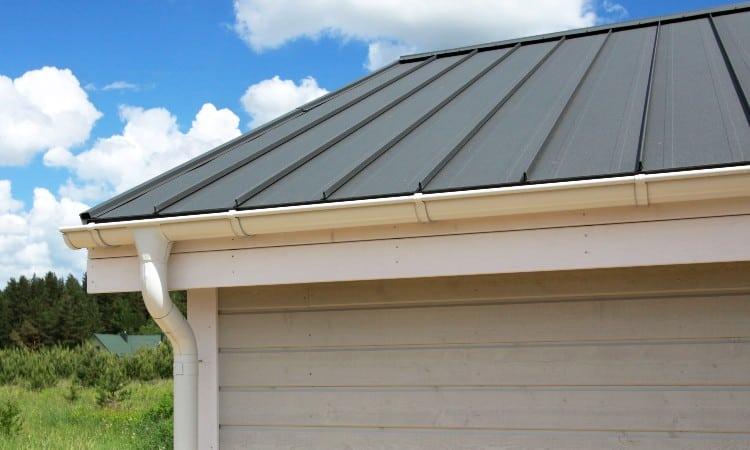
Installing A Metal Roof Over Existing Shingles
Installing a metal roof over existing shingles offers homeowners a cost-effective and efficient way to enhance their home’s durability and energy efficiency. Here’s everything you need to know about this roofing option.
Advantages of Installing A Metal Roof Over Existing Shingles
Cost Savings
One of the primary advantages of roofing over existing shingles is cost savings. By avoiding the labor-intensive process of removing old shingles, homeowners can significantly reduce both time and labor costs associated with roof replacement.
Reduced Disruption
Roofing over existing shingles minimizes disruption to the household compared to a complete tear-off. This means less noise, debris, and inconvenience during the installation process.
Enhanced Energy Efficiency
Metal roofing is known for its energy efficiency, reflecting solar heat and reducing cooling costs in warmer climates. By installing over shingles, homeowners can further enhance their home’s insulation without major structural changes.
Considerations Before Installing A Metal Roof Over Existing Shingles
Roof Condition
Evaluate the condition of the existing shingles. Metal roofing can typically be installed over one layer of asphalt shingles that are in good condition. Shingles that are curled, damaged, or have existing leaks may need to be addressed before installation.
Structural Integrity
Ensure that your roof’s structure can support the additional weight of a metal roof. While metal roofing is lighter than other materials like tile or slate, it’s essential to confirm with a roofing professional or structural engineer.
Building Codes and Permits
Check local building codes and regulations regarding the installation of metal roofing over existing shingles. Some jurisdictions may have specific requirements for underlayment, fastening methods, or roof pitch to ensure safety and compliance.
Steps to Installing A Metal Roof Over Existing Shingles
Preparation
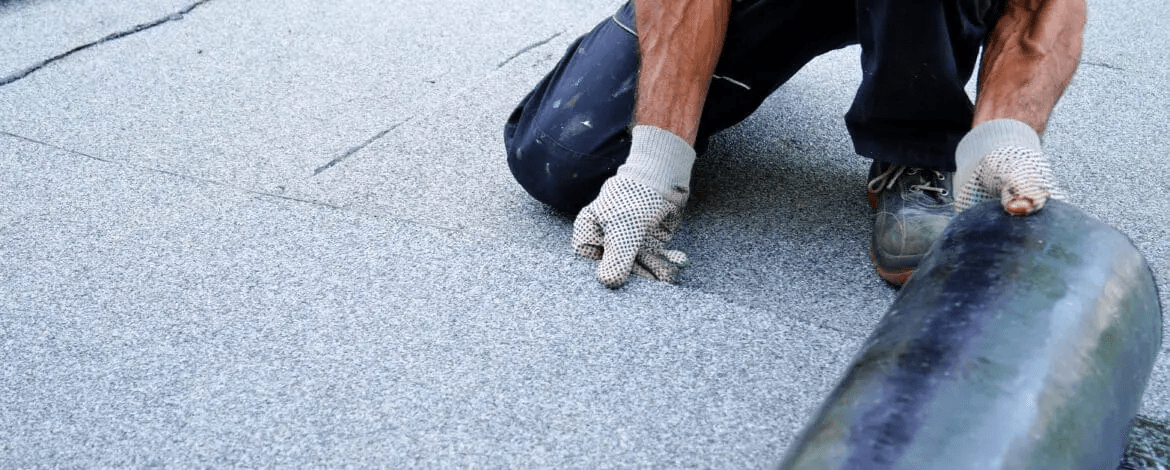
Start by inspecting the existing shingles for damage and securing any loose or protruding nails. Clean the roof surface to remove debris and ensure a smooth base for installation.
Underlayment Installation
Install a suitable underlayment over the existing shingles to provide an additional layer of protection against moisture and improve energy efficiency. Choose underlayment materials recommended by the metal roofing manufacturer for compatibility.
Metal Roof Installation
Follow manufacturer guidelines for installing metal panels or shingles over the underlayment. Ensure proper fastening techniques and overlap to create a weather-tight seal and prevent water infiltration.
Edge Flashing and Ridge Caps
Complete the installation with edge flashing along roof edges and ridge caps at the peak to protect against wind-driven rain and enhance the roof’s aesthetic appeal.
Maintenance Tips for Long-Term Performance
Regular Inspections
Schedule annual inspections to check for signs of damage, such as loose fasteners or potential leaks. Address any issues promptly to prevent them from worsening over time.
Clearing Debris
Keep gutters and roof surfaces clear of debris to prevent water backup and potential damage to the metal roofing system.
Snow and Ice Management
In colder climates, consider installing snow guards to prevent snow and ice from sliding off the roof and causing damage to landscaping or structures below.
When to Consider Roof Replacement
Age of Existing Shingles
If the existing shingles are nearing the end of their lifespan or showing signs of significant wear, it may be more cost-effective to remove them entirely and install a new metal roof.
Extensive Damage
Roofs with extensive damage from storms or leaks may require full replacement rather than installing a new roof over existing shingles.
Conclusion
In conclusion, installing a metal roof over existing shingles offers homeowners a practical solution to upgrade their roofing system with minimal disruption and cost savings. By considering roof condition, structural requirements, and adherence to local building codes, homeowners can achieve a durable and energy-efficient roofing solution that enhances their home’s value.
Consult with a qualified roofing contractor to assess your roof’s suitability for metal roofing installation and ensure proper techniques are followed for long-term performance. With proper maintenance and care, a metal roof can provide decades of reliable protection and energy savings.
Leave a Reply