Metal roofs have gained popularity for their durability and longevity. However, some homeowners encounter metal roof noise problems that can be disruptive and annoying. In this article, we’ll explore the common causes of metal roof noise and provide solutions to help you enjoy the benefits of a metal roof without the drawbacks.
Understanding Metal Roof Noise:
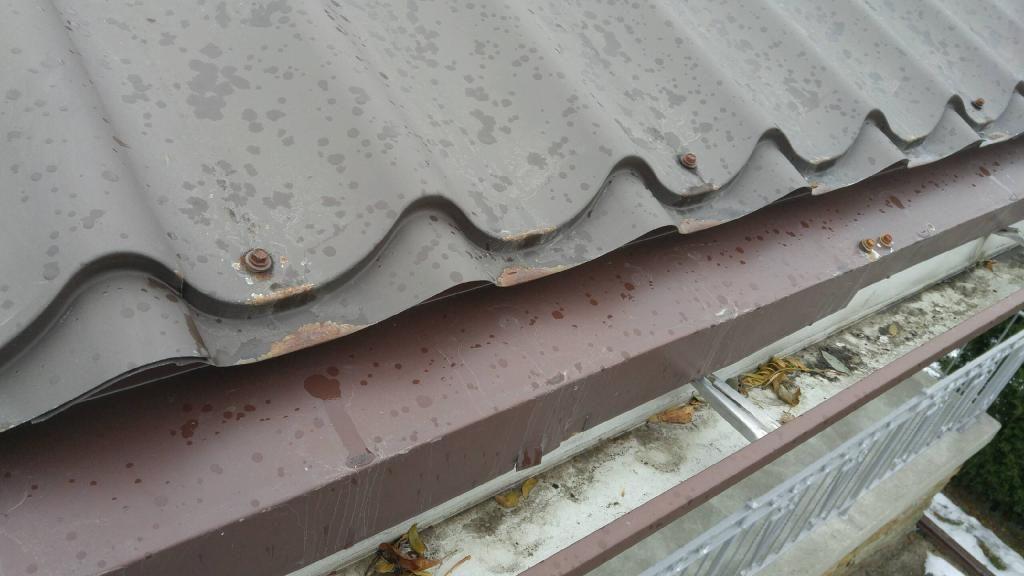
Metal roof noise problems can manifest in various ways, such as loud banging during rain or hailstorms, expansion and contraction sounds in extreme temperature changes, or even creaking noises due to wind. Understanding the sources of these noises is crucial for finding effective solutions.
Causes of Metal Roof Noise Problems:
- Rain and Hail: Rain or hail on a metal roof can be loud without insulation or underlayment. The noise occurs because metal is a thin and rigid material that transmits sound easily.
- Temperature Changes: Metal roofs expand and contract with temperature fluctuations. This movement can create creaking or popping sounds as the metal panels rub against each other or the roof’s structure.
- Loose Fasteners: Over time, the fasteners holding the metal panels in place can become loose, allowing the panels to vibrate and produce noise during wind or rain.
- Improper Installation: If a metal roof is not installed correctly, it can lead to noise issues. Inadequate insulation, incorrect fastener placement, or gaps in the roofing system can all contribute to unwanted sounds.
Solutions to Metal Roof Noise Problems:
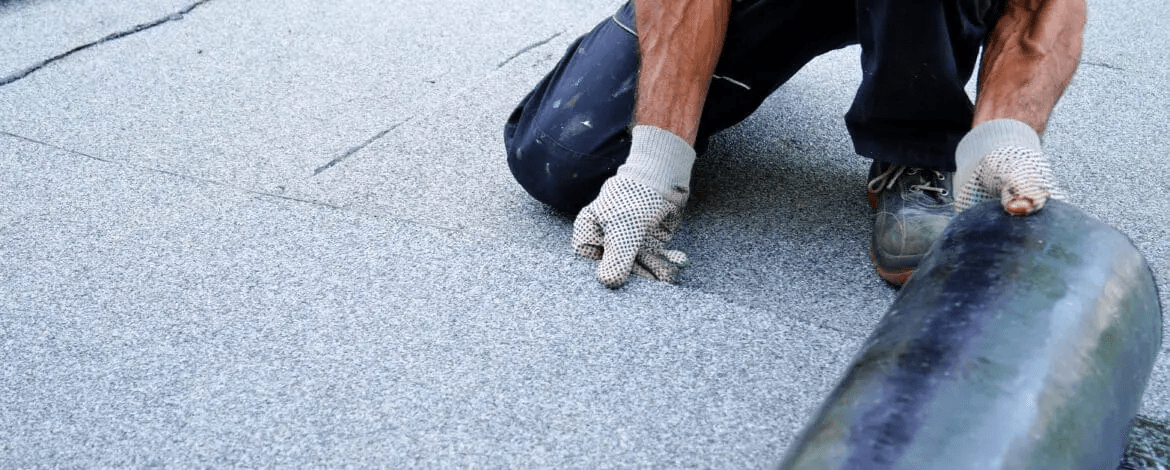
- Add Insulation: One of the most effective ways to reduce metal roof noise is by adding insulation. Installing insulation between the metal panels and the roof deck can significantly dampen sound transmission. Fiberglass or foam board insulation is commonly used for this purpose.
- Use Acoustic Underlayment: Acoustic underlayment can be placed beneath the metal roof to absorb sound and prevent it from traveling into your living spaces. It’s particularly useful for rain and hail noise reduction.
- Tighten Fasteners: Regular roof maintenance should include checking and tightening loose fasteners. Securely fastened panels are less likely to vibrate and produce noise.
- Install Soundproofing Barriers: Soundproofing barriers, such as mass-loaded vinyl or acoustic panels, can be installed in your attic or between the roof structure and the interior ceiling to block noise transmission.
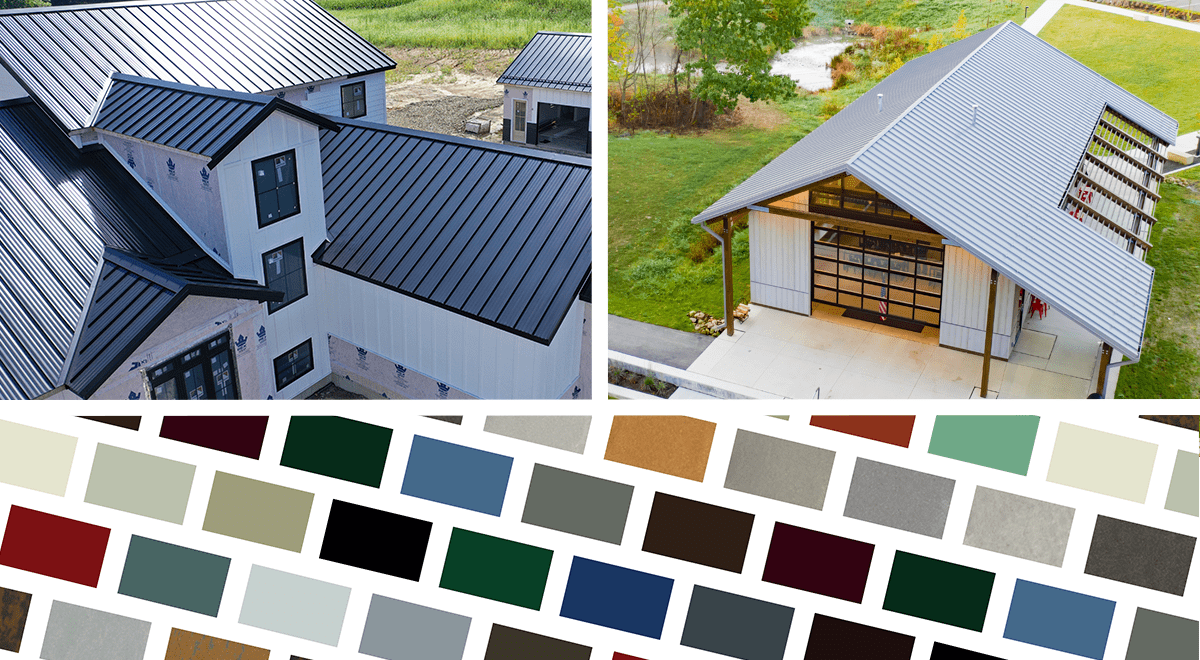
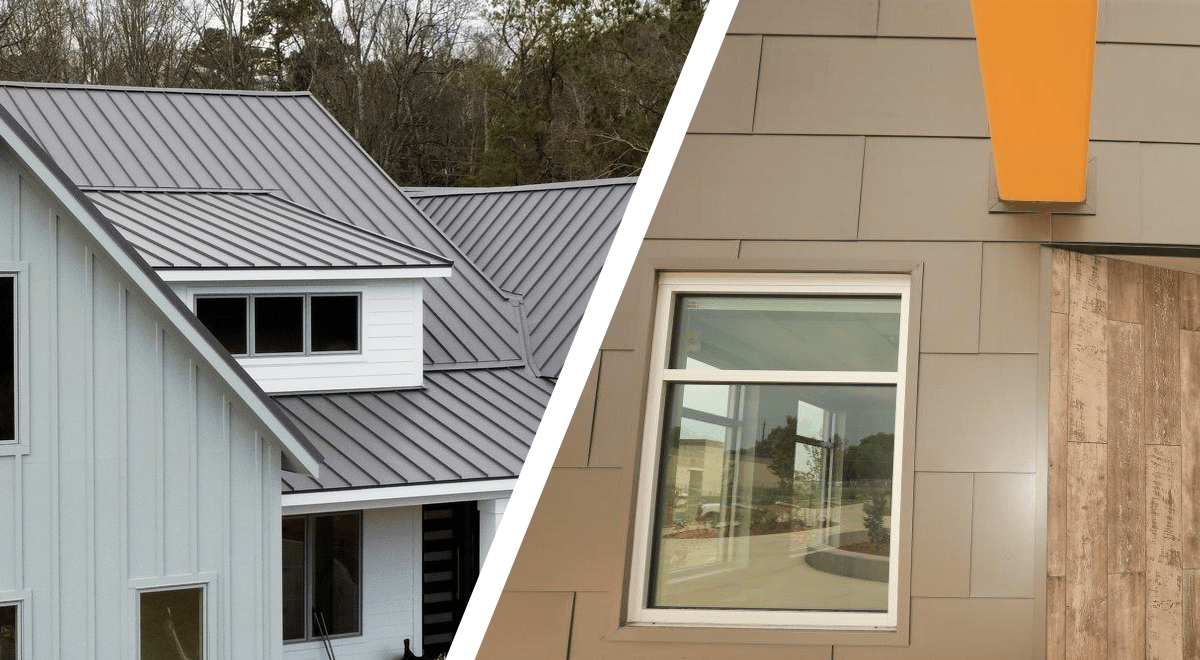
- Choose the Right Metal Roofing Material: Some metal roofing materials are inherently quieter than others. For example, standing seam metal roofs tend to be quieter than corrugated metal roofs due to their design and thicker gauge.
- Professional Installation: Ensure your metal roof is installed by experienced professionals who follow manufacturer guidelines. Proper installation reduces the likelihood of noise issues.
- Regular Maintenance: Perform routine inspections and maintenance on your metal roof to address any potential noise-causing problems promptly.
Conclusion:
Metal roofs offer numerous benefits, but they can be prone to noise problems without the right precautions. By understanding the causes and implementing the solutions mentioned above, you can enjoy the durability and longevity of a metal roof without the disturbances of excessive noise. If you’re considering a metal roof or experiencing noise issues with your current one, consult with roofing experts for the best advice and solutions tailored to your specific situation.
Leave a Reply