Seeing rain water collected under house from the roof water celler can be alarming. Water pooling near or under your home’s foundation may lead to structural damage, mold growth, and even pest problems. Understanding the causes and solutions is crucial to protecting your home and maintaining a dry, safe living environment.
Common Causes of Water Accumulation Under the House
1. Improper Roof Water Celler or Gutter System
Roof water cellers or gutter systems that are clogged, misaligned, or undersized can direct rainwater under your house instead of safely away.
Signs:
- Water pooling along the foundation after rain
- Overflowing gutters
- Erosion around the base of the home
Solution:
- Clean gutters and downspouts regularly
- Extend downspouts at least 5–10 feet away from the foundation
- Install gutter guards to prevent debris buildup
Read too: Is It Reasonable to Ask the Seller to Replace the Roof?
2. Poor Grading and Landscape Slope
If the ground slopes toward the house rather than away from it, rainwater naturally accumulates under the structure.
Fix Steps:
- Check slope using a level or laser tool
- Ensure a minimum slope of 1 inch per foot away from the foundation
- Use soil or landscaping to direct water flow away from the house
3. Foundation Cracks or Leaks
Cracks in concrete or block foundations can allow rainwater to seep under the house.
Step-by-Step Check:
- Inspect walls and floor for visible cracks
- Apply hydraulic cement or epoxy injections to seal minor cracks
- For major cracks, consult a structural engineer for repair options
4. Inefficient or Blocked Drainage Systems
Drain tiles, French drains, or sump pumps that are blocked or missing can lead to water accumulation under the house.
Maintenance Tips:
- Clear debris from drains annually
- Test sump pump functionality before the rainy season
- Add French drains in areas prone to pooling
5. Roof Overhang and Downspout Placement
Short overhangs and improperly positioned downspouts can exacerbate water infiltration under the house.
Recommendations:
- Extend overhangs where possible
- Use splash blocks or drainage piping to divert water
- Avoid directing water toward crawl spaces or basements
External Reference
For more information on home water drainage and roof systems, see Wikipedia on Roof.
Step-by-Step Guide to Prevent Water Under Your House
- Inspect Gutters and Downspouts: Remove debris and ensure proper slope.
- Check Roof Water Celler: Verify that all channels and cellers direct water away.
- Grade the Landscape: Ensure soil slopes away from the foundation at 1 inch per foot minimum.
- Repair Foundation Cracks: Seal small cracks and consult experts for structural damage.
- Install Drainage Solutions: Consider French drains, sump pumps, or extension piping.
- Test During Rain: Observe water flow to confirm the problem is resolved.
Maintenance Checklist
| Task | Frequency | Notes |
|---|---|---|
| Gutter cleaning | Twice a year | Spring and fall |
| Downspout inspection | Annually | Ensure water flows 5–10 ft away |
| Landscape grading | Every 3–5 years | Prevent soil erosion toward foundation |
| Drainage system check | Annually | Sump pumps, French drains |
FAQ Section
Q1: Why is rainwater pooling under my house after heavy storms?
A: Likely causes include clogged gutters, poor grading, foundation cracks, or blocked drainage systems.
Q2: Can standing water damage my foundation?
A: Yes. Prolonged water exposure can weaken the foundation, cause mold growth, and attract pests.
Q3: How do I fix foundation leaks caused by water?
A: Seal minor cracks with hydraulic cement or epoxy. Major structural damage requires a licensed contractor.
Q4: Are French drains effective?
A: Yes. French drains redirect water away from the foundation, reducing pooling under the house.
Q5: How far should downspouts extend?
A: At least 5–10 feet from the foundation, preferably connected to drainage piping leading away from the house.
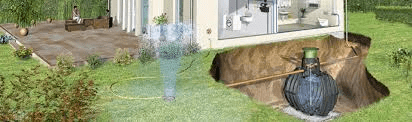
Q6: Can rainwater harvesting systems help?
A: Yes. Properly designed rainwater collection can reduce water runoff, though it should not replace proper grading and drainage.
Conclusion
Rain water collected under house from the roof water celler is a preventable problem that requires proper gutter maintenance, foundation inspection, and effective drainage. By addressing roof water collection, grading, and drainage, you can protect your home’s structure, reduce water damage, and maintain a healthy living environment.


Leave a Reply