Understanding whether a roof tied to house needs gutters not tied to house is crucial for maintaining your home’s structural integrity. Without proper gutter installation, water can damage walls, foundations, and landscaping.
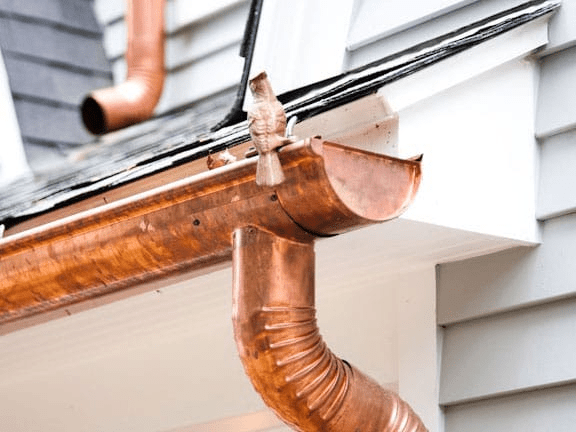
This guide explains the importance of gutters, the difference between attached and detached roofs, and how homeowners can ensure effective water management.
Read too: How Long Do Standing Seam Metal Roofs Last? A Comprehensive Guide to Durability and Longevity
Why Gutters Are Essential for Roofs Tied to the House
When a roof is physically attached to a house, rainfall flows directly off the roof edges, potentially causing:
- Foundation damage: Water pooling around the base of your home can erode soil and crack foundations.
- Siding deterioration: Wood, vinyl, and stucco can suffer rot or discoloration from repeated exposure to water.
- Landscape erosion: Heavy rain runoff can wash away plants, mulch, and topsoil.
Gutters help channel water away from the structure, preserving both your house and surrounding landscaping.
Gutters for Roofs Not Tied to the House
Even roofs not directly tied to a house—like detached garages, sheds, or carports—benefit from gutters:
- Prevent flooding around structures: Direct runoff can create puddles and waterlogging.
- Protect exterior surfaces: Gutters reduce splashback on walls and paint.
- Reduce soil erosion: Controlled water flow minimizes damage to flower beds and pathways.
Pro Tip: Installing a simple downspout can save thousands in future repairs, even on detached structures.
How to Choose the Right Gutter System
- Material:
- Aluminum: Lightweight, rust-resistant, and low-maintenance.
- Copper: Durable and aesthetically appealing, but costly.
- Vinyl: Budget-friendly, easy to install, but less durable.
- Size and Slope:
- Typical residential gutters: 5–6 inches wide.
- Ensure a slope of ¼ inch per 10 feet to direct water effectively.
- Downspout Placement:
- Position downspouts at corners or low points.
- Ensure water is discharged at least 3–4 feet away from the foundation.
- Maintenance:
- Clean twice a year to prevent clogs.
- Consider gutter guards for leaves and debris.
Comparing Roofs Tied vs. Not Tied To House
| Feature | Roof Tied To House | Roof Not Tied To House |
|---|---|---|
| Water Impact | Direct to house foundation | May affect surrounding ground |
| Gutter Necessity | High | Moderate, recommended |
| Maintenance Complexity | Higher, more debris | Lower, easier to manage |
| Installation Cost | Standard residential cost | Slightly lower |
Observation: Regardless of attachment, gutters are a simple solution to manage water efficiently.
Step-By-Step Gutter Installation for Tied and Detached Roofs
- Measure roof length and calculate gutter requirements.
- Select gutter material and downspout size.
- Install brackets along fascia with 2 feet spacing.
- Attach gutters and ensure slope toward downspouts.
- Secure downspouts and extend away from structure.
- Test with water hose to ensure proper drainage.
FAQ – Roof Tied To House Needs Gutters Not Tied To House
1. Can a roof without gutters survive?
Yes, but long-term water damage can occur to foundations, siding, and landscaping.
2. Are gutters needed for detached sheds or carports?
Recommended to prevent soil erosion and water pooling, even if not tied to the main house.
3. How often should gutters be cleaned?
Twice per year, or more frequently if surrounded by trees.
4. What type of gutter is best for Florida homes?
Aluminum or copper due to corrosion resistance and high rainfall durability.
5. Can I install gutters myself?
Yes, small projects like detached roofs can be DIY, but large installations may require professionals.
Conclusion
A roof tied to house needs gutters not tied to house to ensure proper water management, protect the foundation, and maintain landscaping integrity. By choosing the right gutter system, homeowners can prevent costly repairs and extend the lifespan of their roof and property.
Leave a Reply