When it comes to roof repairs, many homeowners might not be aware that in certain situations, a roof repair permit is required before any work can begin. A roof repair permit is an official authorization issued by the local government that allows homeowners or contractors to proceed with repairing or replacing a roof. This article aims to shed light on the importance of obtaining a roof repair permit, the situations where it may be necessary, and the general process of obtaining one.
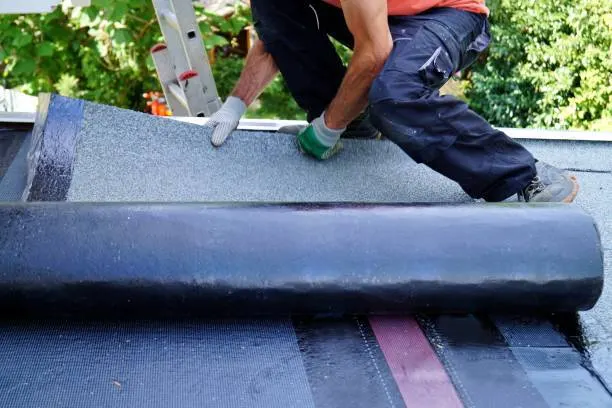
The Significance of a Roof Repair Permit
A roof repair permit serves several essential purposes for both homeowners and local authorities. Firstly, it ensures that the repair work complies with local building codes and safety standards. This helps maintain the structural integrity of the property and ensures that the roof repairs are done correctly and up to code. Secondly, obtaining a permit helps protect homeowners from unscrupulous contractors or poor workmanship, as it requires that the repair work be performed by licensed and qualified professionals.
Situations Requiring
The requirement for a roof repair permit varies depending on the location and the extent of the repairs. In general, minor repairs such as fixing a few loose shingles or repairing small leaks may not require a permit. However, if the roof repair involves significant work, such as replacing a large portion of the roof, installing a new roof, or making structural changes, a permit is likely necessary. It’s essential to check with the local building department to determine the specific requirements in your area.
Understanding the Roof Repair Permit Process
- Contact the Building Department: First, contact the local building department or permitting office for permit. They will provide information on whether a permit is required for your specific repair project and what documents or information you need to submit.
- Submit the Application: Once you’ve gathered the necessary information, you’ll need to fill out the permit application. The application includes repair scope, materials, and contractor info (if applicable). Some areas may also require drawings or plans showing the proposed roof repairs.
- Pay the Permit Fee: Along with the application, there is usually a permit fee that needs to be paid. The fee amount varies depending on the location and the scope of the roof repair project. This fee helps cover the cost of processing the permit and conducting inspections.
- Inspections: After obtaining the permit, inspections may be needed at different project stages. Inspectors will visit to verify work adherence to approved plans and building codes.
- Completion and Final Approval: After repairing, conduct a final inspection for safety and building code compliance. Upon approval, the permit process is complete.
Benefits of Obtaining
Obtaining permit provides several benefits for homeowners. Firstly, it ensures that the repair work is done safely and professionally, reducing the risk of future issues. Having a valid permit can be advantageous for future property sales, demonstrating proper authorized repairs in compliance with local regulations.
Conclusion
In conclusion, obtaining a roof repair permit is an essential step in ensuring that your roof repairs are done safely, professionally, and in compliance with local building codes. Check with the local building department for permit requirements. Work with licensed contractors to ensure expert and careful roof repairs.
Leave a Reply