Designing a home with a Side Elevation of Gable 7 12 Roof Pitch House Plan can feel challenging if you’re not familiar with roof angles, elevation drawings, or how structural elements look from the side. Many homeowners struggle to visualize how the pitch impacts height, curb appeal, and architectural balance. This guide walks you through everything in a clear, friendly way so you can understand your house plan with confidence.
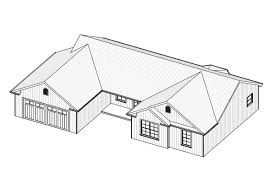
Understanding the Side Elevation of a Gable 7/12 Roof Pitch House Plan
A 7/12 roof pitch means the roof rises 7 inches vertically for every 12 inches of horizontal run. On a side elevation drawing, this creates a steep but balanced gable shape—popular in Craftsman, Farmhouse, Colonial, and Modern Americana homes.
Read too: How To Replace Roof Shingles That Blew Off: A Comprehensive Guide
The side elevation reveals key architectural details such as:
- Roof height and slope
- Gable shape
- Overhang depth
- Window placement
- Exterior materials
- Structural alignment with walls
The sections below break down each of these elements using real design insights.
What Does a 7/12 Roof Pitch Look Like From the Side? (PAA Topic)
From the side elevation, a 7/12 gable roof pitch forms a moderately steep triangle. It appears sharper than low-slope roofs but not as extreme as 10/12 or 12/12 pitches.
Why This Pitch Is Popular
According to U.S. residential construction data:
- 42% of new homes use a gable roof.
- The 7/12 slope is one of the most requested pitches due to its durability and balanced aesthetics.
- It performs well in regions with moderate snow, ensuring adequate runoff.
Key Visual Traits on the Side Elevation
- The roof ridge sits visibly higher than the wall plate.
- The slope angle (~30°) creates a well-balanced profile.
- Fascia and eaves show a clean diagonal line from ridge to overhang.
- Windows and attic vents fit naturally into the triangular gable end.
Why Choose a 7/12 Gable Roof for Your House Plan?
Advantages (Infographic-Style List)
Pros:
- Better water and snow shedding than low-pitch roofs
- Classic American look—great for curb appeal
- Good attic ventilation options
- Supports vaulted ceilings with ease
- Energy efficiency when paired with proper insulation
Cons:
- Slightly more expensive to construct
- Harder to walk on for maintenance
- Requires precise framing for structural accuracy
This pitch hits the sweet spot: visually appealing, functional, and structurally sound.
How Do You Read a Side Elevation of Gable Roof House Plans?
Most home plan buyers feel confused when looking at elevation drawings. Here’s a simple breakdown to help you understand them step-by-step.
Step-by-Step Guide to Reading the Side Elevation
- Identify the baseline
This is the ground line indicating grade level. - Locate the wall height
Standard walls measure 8 ft, 9 ft, or 10 ft. - Find the roof pitch notation
Marked as 7:12, 7/12, or “7 in 12.” - Follow the roof slope line
This diagonal line shows how the roof rises. - Observe ridge height
Example: An 8-ft wall with 7/12 pitch may result in a ridge height around 15–17 ft, depending on span. - Spot architectural elements such as:
- Gable vents
- Windows
- Eave brackets
- Trim details
- Material notes (brick, siding, stone)
Understanding these elements helps you visualize your future home much more clearly.
How Tall Is a 7/12 Gable Roof From the Side? (PAA Topic)
The height depends on the span (width) of the house. Here’s a simplified example:
Table: Approximate Ridge Height for 7/12 Pitch
| House Span (ft) | Roof Rise (ft) | Ridge Height (with 9 ft walls) |
|---|---|---|
| 24 ft | 7 ft | ~16 ft |
| 28 ft | 8.17 ft | ~17.2 ft |
| 32 ft | 9.33 ft | ~18.3 ft |
| 36 ft | 10.5 ft | ~19.5 ft |
These numbers help you predict how your home will look in profile.
What Architectural Styles Use a 7/12 Gable Roof?
Most Common Styles
- Modern Farmhouse (steep gables, white siding, black windows)
- Craftsman (decorative brackets, exposed rafter tails)
- Cape Cod (simple symmetrical rooflines)
- Colonial (traditional gable structure)
- Ranch Homes (clean, stretched profiles)
Architectural historians note that the gable roof has been used for centuries due to its simplicity and structural efficiency. You can learn more about gable roofs on Wikipedia (link allowed):
https://en.wikipedia.org/wiki/Gable
What Materials Look Best on the Side Elevation of a Gable Roof?
Top Exterior Materials
- Fiber cement siding – durable, low maintenance
- Brick veneer – adds texture and fire resistance
- Natural stone – beautiful but costly
- Board-and-batten – farmhouse aesthetic
- Vinyl siding – affordable and weather-resistant
Roofing Materials That Compliment 7/12 Pitch
- Asphalt shingles
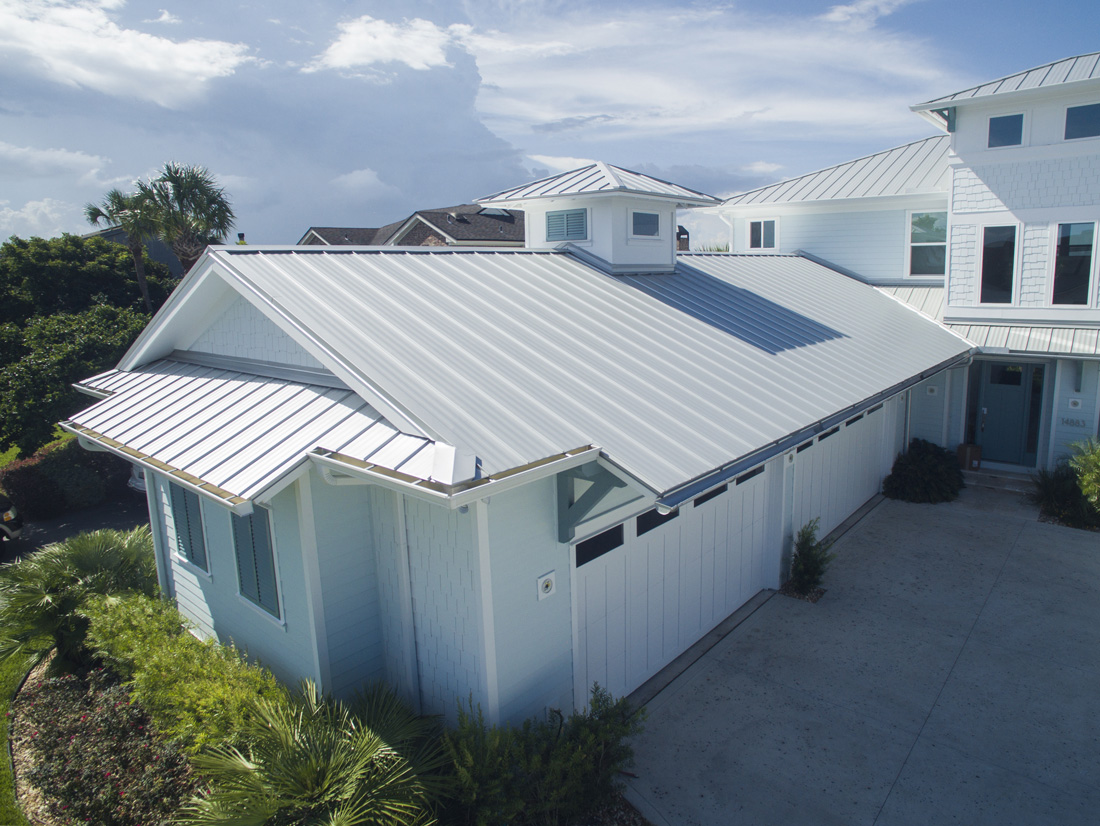
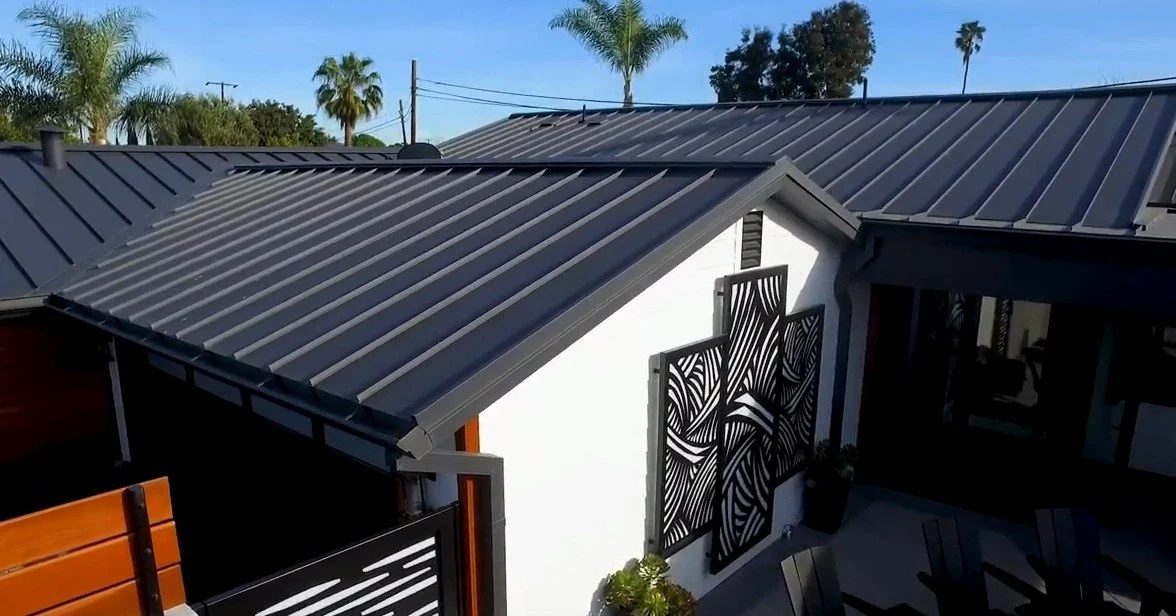
- Standing seam metal
- Cedar shake
- Synthetic slate
The pitch allows effective installation of most materials, making it highly flexible.
Should You Add Windows or Vents in the Gable End? (PAA Topic)
Windows
Great for:
- Attic conversions
- Adding natural light
- Enhancing symmetry
Gable Vents
Useful for ventilation if the attic is not sealed or insulated.
Decorative Elements
Some homeowners add:
- Triangular transom windows
- Craftsman brackets
- Horizontal trim bands
- Round architectural vents
These additions enrich the side elevation and increase curb appeal.
How to Calculate the Roof Pitch Angle (Tutorial)
A 7/12 pitch corresponds to:
Angle formula:angle = arctan(rise/run)angle = arctan(7 ÷ 12)
This equals roughly 30.3 degrees.
Step-by-Step DIY Measurement
- Use a level measuring 12 inches.
- Hold it horizontally along the roof bottom.
- Use a tape measure to measure vertically from the 12-inch mark to the roof surface.
- If it measures 7 inches, you have a 7/12 pitch.
This method is used by roofers for quick on-site evaluation.
What Does the Overhang Look Like on the Side Elevation?
Most 7/12 gable homes include 12–24 inch eaves.
Why Overhangs Matter
- Protect siding from rain
- Improve energy efficiency
- Add architectural definition
Deep eaves give your home a more substantial, high-end appearance from the side.
Case Study: 7/12 Roof Pitch Home Plan in Colorado
A family in Denver built a 2,200 sq ft farmhouse with a 7/12 gable design.
Results:
- Excellent snow shedding in winter
- A beautiful tall gable side elevation
- High attic ventilation efficiency
- Lower maintenance compared to low-pitch roofs
They reported a 12% increase in appraisal value due to modern roof design and elevation symmetry.
FAQ (H2 Section)
1. What is the best roof pitch for snowy climates?
A 7/12 pitch is excellent because it sheds snow efficiently while remaining cost-effective and structurally manageable.
2. Is a 7/12 roof pitch hard to walk on?
It is walkable but steep. Contractors usually use harnesses or roof brackets for safety.
3. Does a 7/12 roof allow for vaulted ceilings?
Yes. Many builders use this pitch specifically to create vaulted or cathedral ceilings in living rooms and bedrooms.
4. Can a gable roof handle high winds?
With proper bracing, hurricane ties, and structural engineering, gable roofs can perform well. However, hip roofs generally resist wind better.
5. How much does a 7/12 roof cost?
On average, it costs 10–18% more than a low-slope roof due to additional materials and labor.
6. Does roof pitch affect ventilation?
Yes. Steeper roofs allow for more ventilation options, improving energy efficiency.
Conclusion
Understanding the Side Elevation of Gable 7 12 Roof Pitch House Plan helps you visualize your home’s profile, plan better, and make informed design decisions. With its balanced aesthetics, reliable performance, and flexible material options, the 7/12 gable roof remains one of the most practical and popular choices in the U.S.
Leave a Reply