Slate roofing has long been revered as a timeless and sophisticated choice for homeowners. Its natural beauty, durability, and longevity make it a popular option for those seeking a roof that combines aesthetics with exceptional performance. In this comprehensive Slate Roofing Installation Guide, we will delve into the process of installing a slate roof, exploring its advantages, important considerations, and best practices to ensure a successful and enduring installation.
Understanding Slate Roofing
Slate, a natural stone, has been utilized as a roofing material for centuries. Its remarkable durability and resistance to extreme weather conditions are well-known. Slate roofing offers several benefits, including fire resistance, low maintenance requirements, and exceptional insulation properties. Before embarking on a slate roofing installation project, it is essential to familiarize yourself with the different types of slate available, such as traditional slate, synthetic slate, and graduated slate, to make an informed choice.
Preparing for Installation
Conducting a Thorough Roof Inspection: Prior to installing a slate roof, a comprehensive examination of the existing roof structure is crucial. Identifying and rectifying any damage or underlying issues ensures a solid foundation for the slate tiles.
Precise Measurements and Calculations: Accurate measurements and calculations are vital in determining the necessary amount of slate tiles, underlayment, and other materials. Consulting with a professional roofing contractor or utilizing specialized software can help achieve precise calculations, reducing the risk of material shortages or wastage.
Slate Roofing Installation
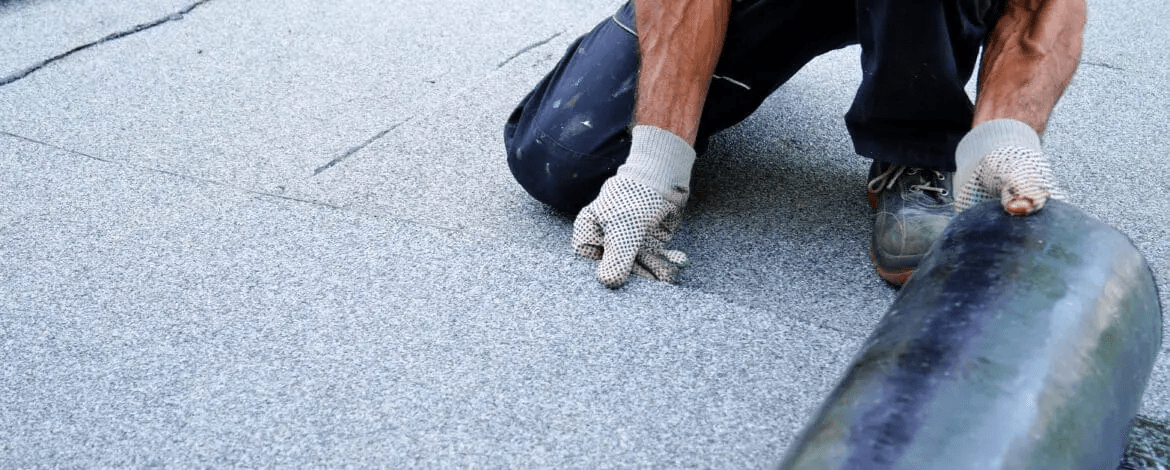
Underlayment Installation: The installation of a high-quality underlayment is pivotal for slate roofing. Serving as a waterproof barrier, the underlayment safeguards the roof against moisture penetration. Opting for a breathable underlayment prevents the accumulation of condensation, ensuring a well-ventilated roof space.
Flashing and Ventilation Considerations: Flashing prevents leaks around chimneys and skylights. Proper ventilation extends the lifespan of the slate roof by regulating temperature and moisture in the attic.
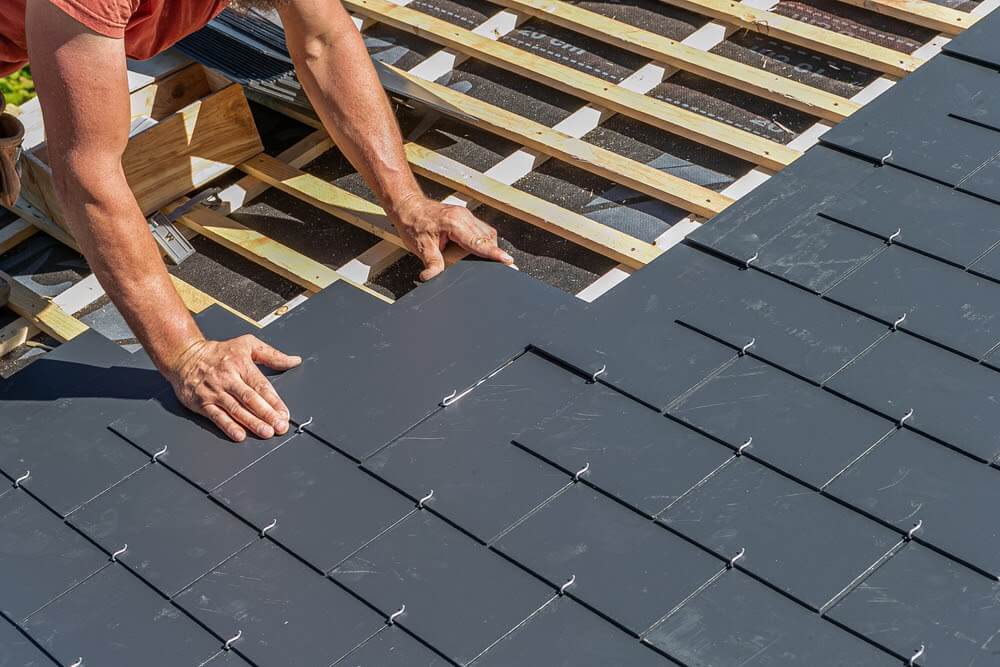
Nailing Techniques: Nailing slate tiles demands precision and careful execution. Overdriving or underdriving nails can lead to cracked or broken tiles. Adhering to the manufacturer’s guidelines and utilizing copper or stainless-steel nails, which are resistant to rust and corrosion, is vital for ensuring the longevity of the roof.
Tile Layout and Impeccable Installation: The layout of slate tiles significantly impacts both the aesthetics and structural integrity of the roof. Install tiles in a staggered pattern, ensuring they overlap and align correctly.
Maintaining consistent headlap and sidelap is imperative to achieve optimal waterproofing and prevent potential water infiltration.
Maintenance and Longevity Slate roofing is renowned for its longevity, often lasting for a century or more. However, regular maintenance is essential to preserve its allure and functionality. Here are some key maintenance tips for a slate roof:
- Annual Roof Inspections: Regularly inspect the roof for signs of damage or lose tiles, addressing any issues promptly to prevent further deterioration.
- Debris Removal: Clear the roof of debris, such as leaves or branches, to prevent water buildup and potential drainage issues.
- Gutter and Downspout Maintenance: Ensure that gutters and downspouts remain clean and unobstructed to facilitate proper water drainage.
- Mindful Foot Traffic: Avoid walking on the roof unnecessarily, as slate tiles can break under excessive weight. To minimize the risk of damage, enlist the services of a professional roofing contractor for maintenance or repairs.
Conclusion:
Slate roofing continues to captivate homeowners who value durability, elegance, and longevity. Follow this Slate Roofing Installation Guide for a successful installation, securing your home for future generations. Choose traditional or synthetic slate, prioritize installation techniques and maintenance for lasting benefits from this timeless roofing material.
Leave a Reply