A rotted roof can create stress and costly damage if not addressed promptly. For homeowners exploring This Old House Roted Roof Repair With Fiberglas Corrigated Panels, understanding the repair process ensures a safe, durable, and long-lasting solution. Whether you’re tackling the project yourself or supervising contractors, this guide provides clear, step-by-step instructions.
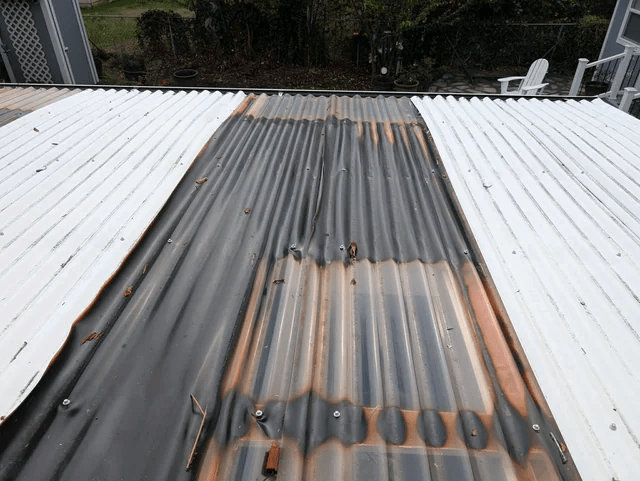
Why Use Fiberglas Corrugated Panels for Rotted Roofs?
Fiberglas corrugated panels are increasingly popular for repairing rotted sections of old homes because they offer:
- Durability: Resistant to moisture, rot, and pests.
- Lightweight Construction: Easier to handle than traditional metal or wood panels.
- Cost Efficiency: More affordable than full roof replacement.
- Flexibility: Easily cut to fit irregular roof shapes common in older houses.
Read too: How Long Do Standing Seam Metal Roofs Last? A Comprehensive Guide to Durability and Longevity
Expert Insight: Roofing specialist Laura Mitchell explains, “Corrugated fiberglas panels provide a practical solution for patching old roofs. They protect the structure from water damage while being relatively easy to install.”
Step-by-Step Guide: Repairing a Rotted Roof With Fiberglas Corrugated Panels
1. Assess the Roof Damage
- Inspect the roof for rot, leaks, or weakened decking.
- Measure damaged areas carefully to determine panel sizes.
- Mark areas that need replacement for precise cutting.
Tip: Use a flashlight to inspect under shingles and flashing for hidden rot.
2. Gather Materials and Tools
Materials: Fiberglas corrugated panels, roofing nails or screws, waterproof sealant, underlayment.
Tools: Hammer, drill, measuring tape, utility knife, chalk line, safety harness, gloves, protective glasses.
3. Remove Damaged Sections
- Carefully remove rotted shingles or panels.
- Cut out any decayed decking using a circular saw.
- Dispose of debris safely.
4. Prepare the Roof Surface
- Clean the area thoroughly to remove dirt, mold, and loose material.
- Apply waterproof underlayment for additional protection.
5. Install Fiberglas Corrugated Panels
- Cut panels to fit the prepared roof area.
- Place panels carefully, overlapping edges slightly to ensure coverage.
- Secure with roofing nails or screws, spacing every 6–8 inches.
- Seal edges and overlaps with waterproof roofing sealant to prevent leaks.
Pro Tip: Avoid stepping directly on panels to prevent cracking. Use scaffolding or walk carefully along structural supports.
6. Inspect and Finish
- Check that all nails are flush and panels are firmly secured.
- Repair or replace surrounding shingles for seamless integration.
- Clean gutters and roof edges to remove debris.
Advantages vs Disadvantages of Fiberglas Corrugated Panels
| Advantage | Disadvantage |
|---|---|
| Resistant to water, rot, and pests | Can crack under heavy weight |
| Lightweight and easy to handle | Limited color and aesthetic options |
| Affordable and cost-effective | May require periodic resealing |
| Flexible for irregular roofs | Less durable than metal in extreme weather |
Maintenance Tips for Fiberglas Corrugated Roof Repairs
- Inspect panels every six months for cracks or loose nails.
- Reapply sealant to edges if necessary.
- Remove debris like leaves and branches promptly.
- Avoid walking directly on panels to maintain structural integrity.
FAQ Section
Q1: How long do fiberglas corrugated panels last?
Typically 20–30 years, depending on installation quality and weather conditions.
Q2: Can I repair the roof myself?
Yes, with proper safety precautions. For extensive rot or structural damage, hiring a professional is recommended.
Q3: Are fiberglas panels environmentally friendly?
They are durable and reduce frequent replacements but are not biodegradable. Proper disposal is important.
Q4: How much does a typical repair cost?
Costs vary based on roof size and rot extent, but using fiberglas panels is usually 30–50% cheaper than a full roof replacement.
Q5: Can fiberglas corrugated panels be painted to match existing roofing?
Yes, use a UV-resistant exterior paint designed for fiberglass surfaces.
Conclusion
Repairing a rotted roof with fiberglas corrugated panels is a durable, cost-effective, and practical solution for older homes. By following this guide, homeowners can ensure a safe installation, protect their home from future damage, and extend the roof’s lifespan.
Share this guide with friends or family tackling similar roofing challenges to help them restore their homes efficiently!
Leave a Reply