The vibrant and diverse architectural landscape of South Florida is renowned for its unique blend of styles and influences. When it comes to roofing, the region boasts a wide array of options to suit both the climate and the aesthetic preferences of homeowners. In this article, we’ll delve into the various types of roofs commonly found in South Florida, highlighting their features and suitability for the tropical environment.
Tile Roofs
Classic Elegance and Durability
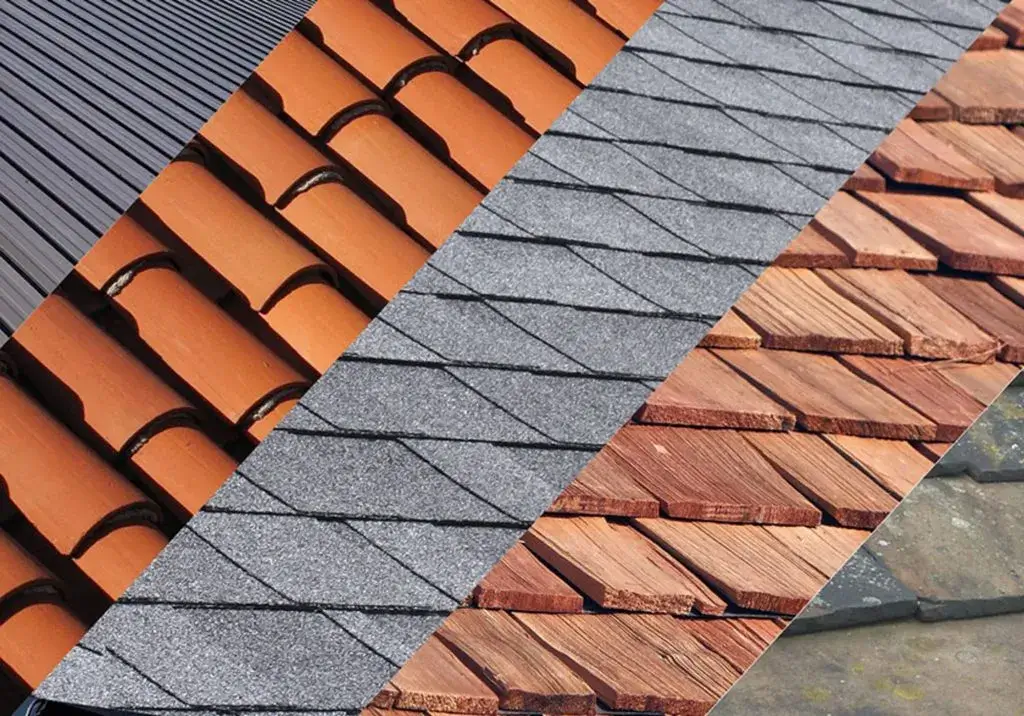
Tile roofs are a staple of South Florida’s architectural heritage. They come in various styles, including barrel, flat, and interlocking tiles, and are known for their durability and ability to withstand the harsh tropical climate. Tile roofs are not only functional but also add a touch of Mediterranean or Spanish-inspired elegance to homes in the region.
Shingle Roofs
Versatile and Cost-Effective
Shingle roofs, particularly asphalt shingles, are a popular choice due to their versatility and cost-effectiveness. They come in a wide range of colors and styles, allowing homeowners to achieve various looks, from traditional to contemporary. Asphalt shingles are durable and perform well in South Florida’s climate.
Metal Roofs
Modern Aesthetics and Longevity
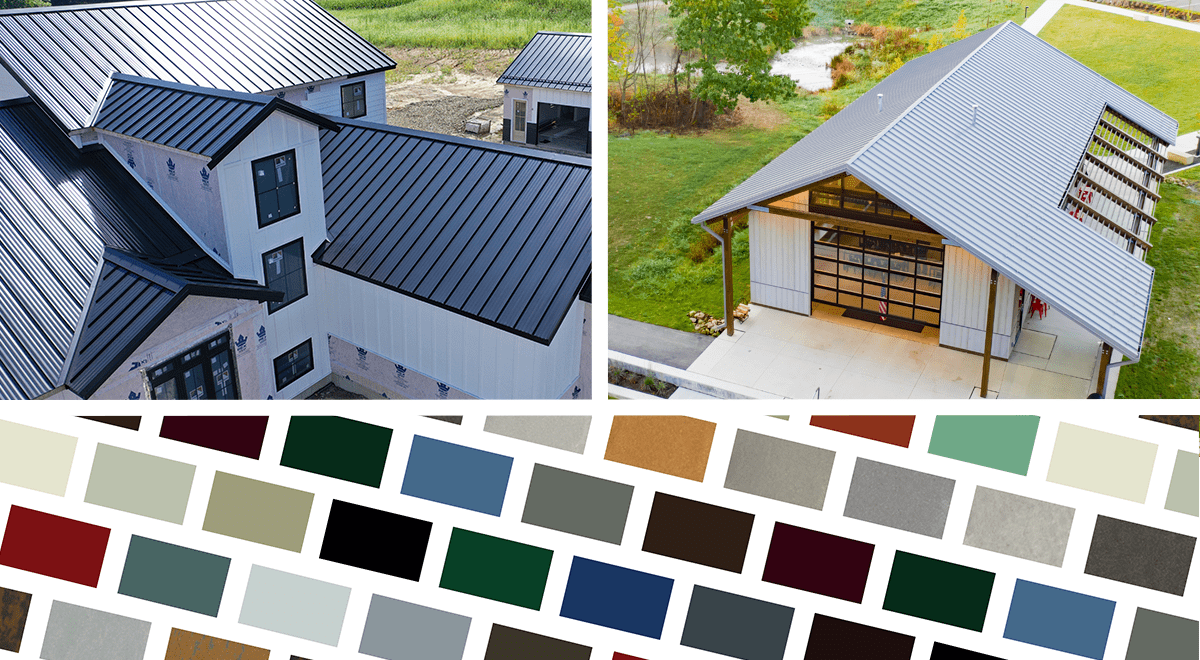
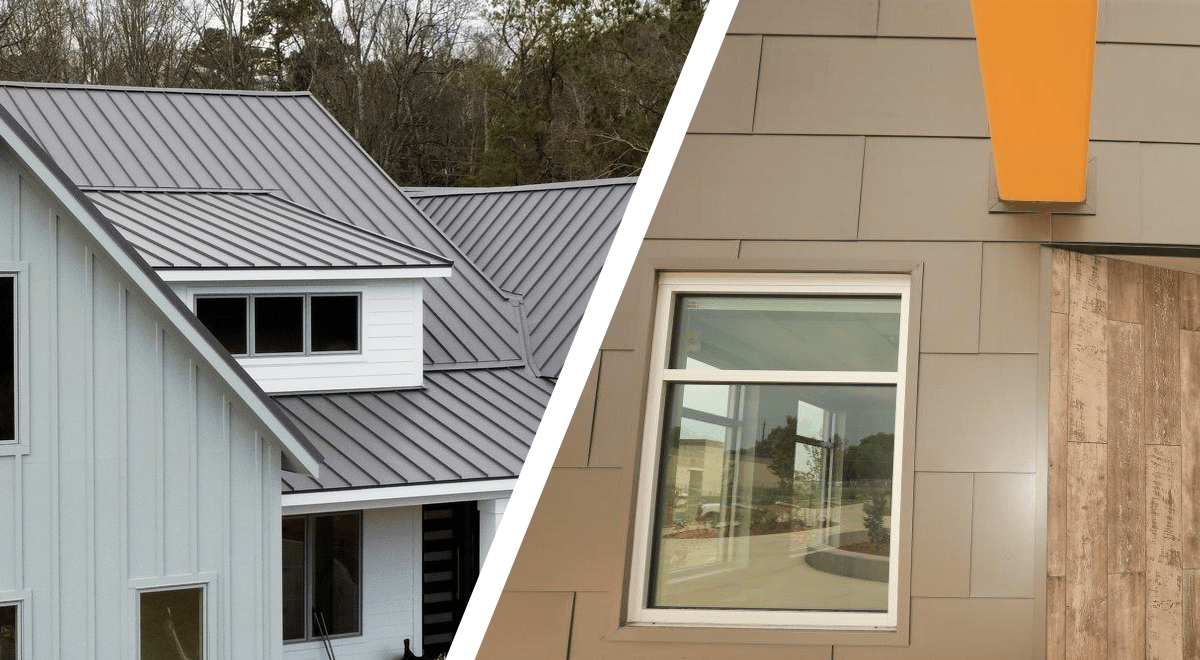
Metal roofs have gained popularity for their modern aesthetics and exceptional durability. They are available in various materials, including steel, aluminum, and copper, and can be designed to mimic the appearance of other roofing materials like tile or shingles. Metal roofs excel in South Florida’s climate, providing excellent heat reflection and weather resistance.
Flat Roofs
Ideal for Modern Architecture
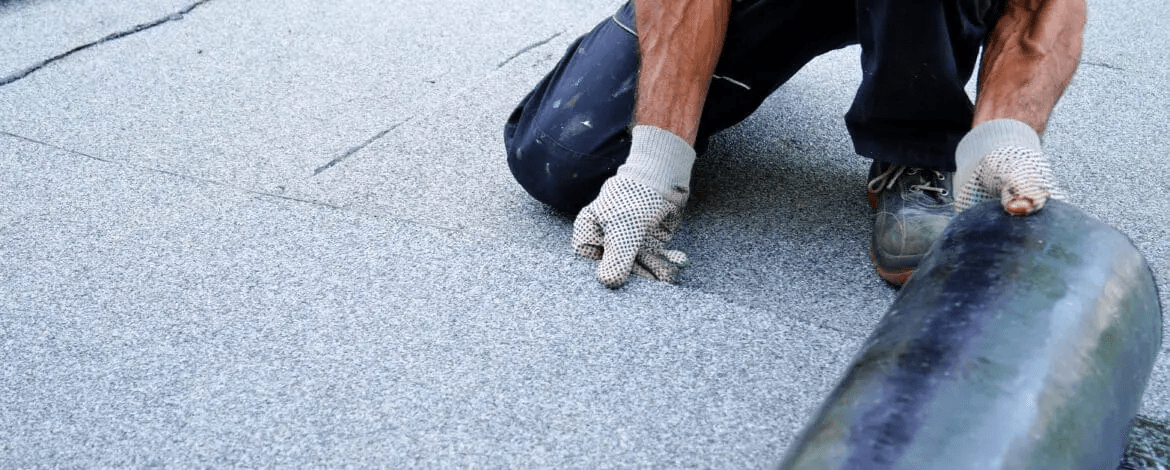
Flat roofs are often associated with modern and minimalist architecture. They offer clean lines and a sleek appearance, making them a favorite for contemporary South Florida homes. While flat roofs require proper drainage systems to prevent water accumulation, they can be an excellent choice when designed and maintained correctly.
TPO (Thermoplastic Olefin) Roofs
Energy Efficiency and Sustainability
TPO roofing is a relatively newer option that has gained traction in South Florida, primarily due to its energy-efficient properties. TPO roofs are reflective, helping to reduce cooling costs in the hot and sunny climate. They are also sustainable and can be a green roofing choice for environmentally conscious homeowners.
Concrete Roofs
Strength and Hurricane Resistance
Concrete roofs, often seen in the form of concrete tiles or panels, are known for their strength and hurricane resistance. Given South Florida’s vulnerability to hurricanes, concrete roofs offer peace of mind to homeowners concerned about extreme weather conditions.
Green Roofs
Sustainability and Aesthetics Combined
Green roofs, though not as common, are gaining attention in South Florida. These roofs feature vegetation and plant life, providing natural insulation and contributing to improved energy efficiency. Green roofs are not only eco-friendly but also add a unique aesthetic to homes in the region.
Conclusion:
Types of roofs in South Florida architectural styles and climate demands a wide variety of roofing options. Each type of roof brings its own set of advantages, whether it’s the classic elegance of tile roofs, the versatility of shingles, the modern aesthetics of metal roofs, or the sustainability of green roofs. When choosing a roof for your South Florida home, consider factors like durability, energy efficiency, and aesthetics to find the perfect match for your unique style and needs.
Leave a Reply