Seeing dark stains on your ceiling or water dripping after heavy rain is stressful. When Water Pooling Up On Roof And Leaking In The House happens, it’s not just a cosmetic issue — it’s a structural warning sign.
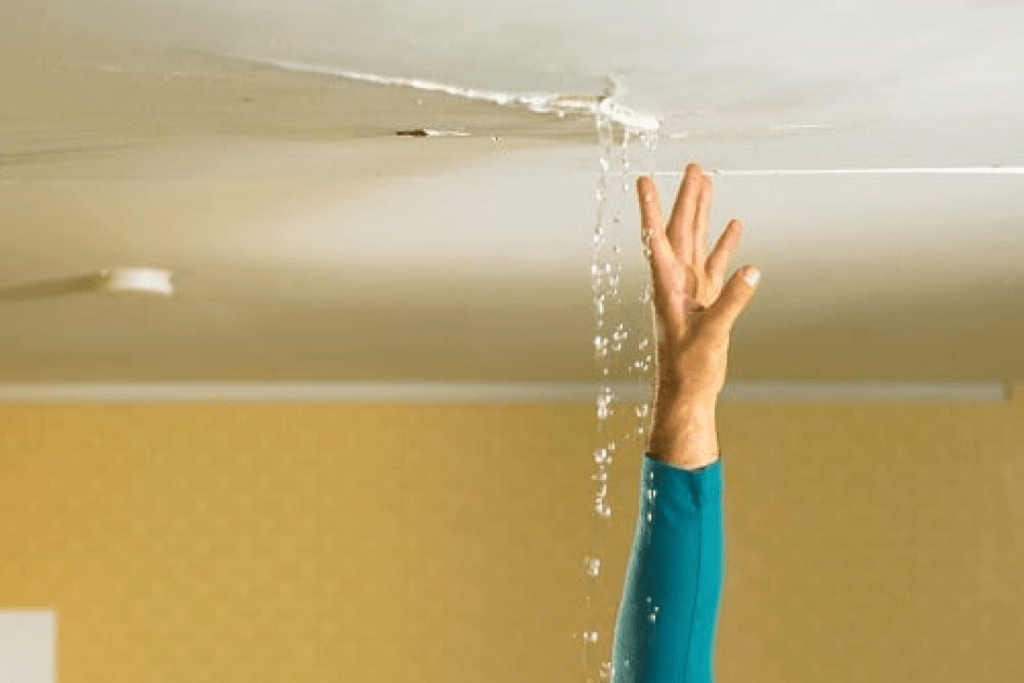
In this guide, you’ll learn why water pools on your roof, how it causes leaks inside your home, and what you can do to stop and prevent it before the damage gets worse.
Why Is Water Pooling Up On the Roof and Leaking Into the House?
The most common user question is simple: Why does water sit on my roof instead of draining?
Read too: How Long Do Standing Seam Metal Roofs Last? A Comprehensive Guide to Durability and Longevity
Water pooling, also called standing water, occurs when your roof cannot properly drain rainwater. This usually happens due to:
- Flat or low-slope roofs
- Blocked or undersized drains
- Sagging roof sections
- Poor construction design
- Aging roofing materials
When water sits for hours or days, it weakens the roof layers and eventually finds a way inside.
Key Fact:
Roof engineers consider standing water that stays longer than 48 hours after rainfall to be a serious structural risk.
What Happens When Standing Water Sits Too Long?
When water is trapped on your roof, it creates pressure on roofing materials and slowly penetrates weak spots.
Over time, this leads to:
- Cracked membranes
- Mold growth
- Rotting insulation
- Rusted fasteners
- Ceiling collapse risk
Water intrusion also disrupts your home’s insulation system and increases heating and cooling costs by 10–20% due to moisture-damaged insulation.
How Does Roof Pooling Actually Cause Indoor Leaks?
When Water Pooling Up On Roof And Leaking In The House, it happens in layers:
- Water collects due to poor drainage
- Weight stresses the roof membrane
- Micro-cracks form or widen
- Water seeps past protective layers
- It reaches insulation and drywall
- Leak appears inside
Water always follows gravity — but also structural paths like beams and seams.
People Also Ask: Is Roof Water Pooling Dangerous?
Yes, and here’s why:
Standing water on your roof increases structural load. One inch of water weighs about 5.2 pounds per square foot. Over a large roof, that adds thousands of extra pounds of pressure.
Risks of Ignoring It:
- Roof collapse
- Extensive mold growth
- Electrical wiring damage
- Foundation moisture problems
- Decrease in property value
What Types of Roofs Are Most Affected?
Certain roof designs are more vulnerable to water pooling:
| Roof Type | Pooling Risk | Why |
|---|---|---|
| Flat roofs | High | Minimal slope |
| Low-slope roofs | High | Slow drainage |
| Metal roofs | Medium | Depends on installation |
| Shingle roofs | Low | Designed for runoff |
| Green roofs | Medium | Requires advanced drainage |
Flat roofing technology aims to reduce pooling, but no flat roof is entirely immune.
Main Causes of Roof Pooling Problems
Let’s break down the root causes:
1. Poor Drainage System
Blocked roof drains or gutters trap rainwater on the surface. Leaves, dirt, and debris are common culprits.
2. Improper Roof Slope
Building design sometimes fails to create the proper slope needed for water runoff.
3. Aging Roofing Membranes
As materials age, they lose flexibility and crack, making them vulnerable to leaks.
4. Structural Sagging
Long-term weight or construction issues cause sections to dip and hold water.
How to Identify Pooling Areas on Your Roof
Follow this simple inspection process:
Tools:
- Ladder
- Chalk
- Measuring tape
- Smartphone camera
Steps:
- Wait for rainfall.
- Check roof after the rain stops.
- Mark visible puddles with chalk.
- Measure depth if safe (even 0.5 inches is concerning).
- Check if water remains after 24–48 hours.
If water remains longer than 2 days, action is required.
How to Fix Water Pooling on Your Roof
Quick Temporary Fixes
These reduce damage in emergencies:
- Clear debris from drains and gutters
- Apply temporary roof sealant
- Install temporary drain channels
These are short-term and not permanent solutions.
Permanent Repair Solutions
These are performed by professionals:
| Solution | What It Does |
|---|---|
| Roof re-sloping | Restructures slope for drainage |
| Installing tapered insulation | Redirects water flow |
| Adding more drains | Improves drainage capacity |
| Roof membrane replacement | Creates new waterproof layer |
A professional roofing engineer should assess structural slope issues.
Step-by-Step: Clearing Roof Drains Safely
If water pooling is due to clogged drains, you can try:
- Wear anti-slip shoes and gloves
- Use a plastic scoop to remove debris
- Pour 2–3 gallons of warm water (not boiling)
- Confirm water drains smoothly
- Inspect drain weekly during rainy seasons
Avoid using sharp metal tools that might damage the membrane.
Real Case Example
A homeowner in Florida experienced constant ceiling leaks whenever it rained. Inspection revealed repeated water pooling due to one blocked roof drain near their HVAC unit.
After installing an additional drain and re-sloping a section of the roof, leaks completely stopped.
Repair cost: $2,800
Potential repair if ignored: Over $15,000 (including water damage and mold removal)
How Much Does It Cost to Fix Roof Water Pooling?
Here’s a realistic cost guide:
| Service | Average Cost |
|---|---|
| Drain cleaning | $100 – $300 |
| Minor membrane repair | $300 – $900 |
| Roof re-sloping | $1,000 – $6,000 |
| Full roof replacement | $6,000 – $20,000 |
| Interior damage repair | $1,000 – $8,000 |
Costs vary based on location, roof size, and material type.
Is Water Pooling Worse in Certain Climates?
Yes. According to climatology data from roof design research on precipitation patterns , areas with frequent heavy rainfall or snow accumulation face higher risks.
High-risk regions include:
- Pacific Northwest
- Gulf Coast
- Northeast US (snow load issues)
Snowmelt often worsens pooling problems by overwhelming drainage systems.
How to Prevent Water Pooling in the Future
Prevention is cheaper than repair.
Smart Prevention Checklist:
✅ Clean roof drains every 2 months
✅ Inspect roof slope annually
✅ Replace damaged membranes immediately
✅ Install leaf guards or strainers
✅ Avoid storing heavy objects on roof
✅ Schedule professional inspection once a year
A simple annual inspection can prevent thousands in damage.
Signs That Your Roof Drainage Needs Immediate Attention
If you notice any of these, don’t wait:
- Puddles larger than 1 square foot
- Water stains recurring after repainting
- Green algae growing on roof
- Ceiling bulges or moisture smell
- Cracking roof surface
These indicate advanced water retention issues.
Comparison: Ignoring vs Fixing Roof Pooling
| Action | Short-Term Result | Long-Term Effect |
|---|---|---|
| Ignoring pooling | Saves money now | Huge structural damage later |
| Temporary patch | Reduces leaks briefly | Requires repeated fixes |
| Professional fix | Higher upfront cost | Long-term peace and protection |
FAQ Section
Frequently Asked Questions
Q1: How much water is too much on a roof?
Anything over ½ inch of standing water that remains for more than 48 hours is considered dangerous.
Q2: Can roof pooling cause mold inside walls?
Yes. Moisture seeps into insulation and drywall, creating ideal mold conditions within 24–72 hours.
Q3: Does homeowners insurance cover this?
Storm damage usually does. Poor maintenance-related damage often doesn’t.
Q4: Can I install extra drains myself?
It’s not recommended. Improper installation can worsen roof damage and void warranties.
Q5: Why does pooling happen even on sloped roofs?
Usually due to structural sagging, clogged drainage, or roofing material deformation.
Conclusion
Water Pooling Up On Roof And Leaking In The House is more than a simple leak — it’s a warning sign that your roof’s drainage system is failing.
By acting early, clearing drains, repairing slopes, and using proper materials, you can prevent serious structural damage, mold risks, and costly renovations.
If this article helped you understand or solve your problem, share it on your social media to help others protect their homes too.
Still unsure about your situation? Ask your question — I’m here to help.
Leave a Reply