Noticing a sagging roof can be alarming, and many homeowners ask, what causes a house roof to sink in the middle? This problem often signals structural issues, water damage, or age-related deterioration. Understanding the root causes can help prevent further damage and ensure the safety of your home.
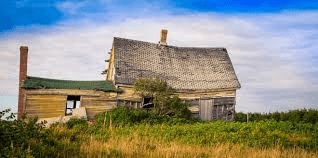
Common Causes of a Roof Sinking in the Middle
1. Structural Weakness
Over time, wooden beams, rafters, or trusses may weaken due to age, poor construction, or excessive load.
- Signs: Cracks along the ceiling, uneven roofline, or creaking sounds.
- Expert Tip: Inspect attic beams annually for warping or rot.
Read too: Is It Reasonable to Ask the Seller to Replace the Roof?
2. Excessive Weight
Roofs can sag when overloaded with:
- Heavy snow accumulation
- Ice buildup
- Roof additions (solar panels, water tanks)
Insight: Most residential roofs are designed to handle normal snow loads, but unusual accumulation can stress structural supports.
3. Water Damage and Leaks
Persistent water infiltration can cause rotting beams and weakened decking.
- Sources: Leaky shingles, damaged flashing, clogged gutters.
- Impact: The roof deck may bow downward in the middle.
4. Poor Design or Construction
Inadequate support spacing or substandard materials can lead to sagging over time.
- Example: Rafters spaced too far apart or undersized beams.
- Solution: Reinforce the roof with additional support or professional retrofitting.
5. Foundation Shifts
Sometimes roof sag is a secondary effect of foundation movement or wall settlement.
- Signs include uneven floors, cracks in walls, or doors sticking.
- Addressing the foundation first is critical before roof repair.
How to Identify a Sagging Roof
Visual Indicators:
- Noticeable dip along the roof ridge
- Cracks in ceiling or walls under roof support
- Water pooling in roof valleys
- Doors or windows misaligned due to frame shifts
Inspection Steps:
- Check the attic for beam or truss deformation.
- Look for water stains, mold, or wood rot.
- Measure sag from the ceiling to attic floor—any dip >1/4 inch per 10 feet is concerning.
Prevention and Solutions
Table: Prevention vs Repair
| Cause | Prevention | Repair Approach |
|---|---|---|
| Structural Weakness | Use high-quality beams, proper spacing | Add support beams or sister rafters |
| Excessive Weight | Clear snow/ice, avoid overloading roof | Temporary shoring and structural reinforcement |
| Water Damage | Maintain gutters, seal flashing | Replace rotted beams, patch roof leaks |
| Poor Construction | Hire licensed contractors, inspect plans | Retrofit or rebuild roof structure |
| Foundation Shifts | Maintain foundation drainage | Consult structural engineer for foundation repair |
Pro Tip: Early detection and intervention prevent more costly roof or home repairs.
Step-by-Step: Temporary Roof Support
- Identify Weak Spots: Look in the attic for sagging beams.
- Install Temporary Shoring: Use adjustable support jacks under weak rafters.
- Reinforce Beams: Sister new lumber alongside weakened rafters.
- Address Causes: Fix leaks, remove excess weight, or consult engineer for foundation issues.
- Monitor Progress: Check monthly until permanent repairs are completed.
FAQ Section
Q1: Can a sagging roof collapse suddenly?
A1: While some sagging is gradual, severe weakening from water damage or rot can lead to sudden collapse—evacuate if unsafe.
Q2: How much sag is dangerous?
A2: A sag greater than 1/4 inch per 10 feet of span typically indicates structural concern requiring inspection.
Q3: Can I fix a sagging roof myself?
A3: Minor reinforcement may be possible, but professional assessment is strongly recommended for safety and code compliance.
Q4: Does roof age affect sagging?
A4: Yes, roofs older than 20–30 years may sag due to natural deterioration of wood and materials.
Q5: How much does it cost to repair a sagging roof?
A5: Costs vary widely—from $500 for minor reinforcement to $10,000+ for major structural rebuilds, depending on damage extent and materials.
Conclusion
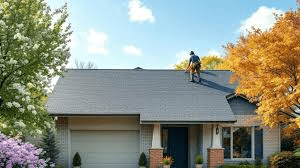
Knowing what causes a house roof to sink in the middle helps homeowners act before serious damage occurs. From structural weaknesses, water damage, to poor design, early inspection and maintenance are key to safety and longevity.
Share this guide with friends or family to raise awareness about roof sagging signs, prevention, and repair—protect your home before it becomes a costly disaster.

Leave a Reply