If you’ve ever looked at a beautiful warm-toned home topped with reddish or terracotta tiles, you might wonder: “What do you call a house that has clay roof?” Many homeowners ask this question when researching roof styles or planning renovations. Don’t worry — you’re in the right place. This guide breaks down the terminology, styles, and meanings behind clay-roof homes in a friendly, easy-to-understand way.
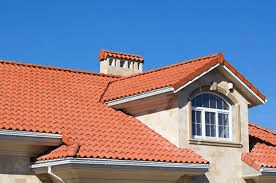
What Do You Call a House That Has Clay Roof?
The most accurate and widely accepted term for a house that has a clay roof is a “clay tile house” or “tile-roofed house.” These homes typically feature roofing made from fired clay tiles, known for their durability, heat resistance, and iconic Mediterranean look.
Read too: How Long Do Standing Seam Metal Roofs Last? A Comprehensive Guide to Durability and Longevity
In architectural contexts, these homes often fall into styles such as:
- Mediterranean-style house
- Spanish Colonial house
- Mission-style house
- Tuscan-style house
All of these styles commonly use clay roof tiles due to their natural insulation and long-lasting qualities.
Why Clay Tile Roofs Are So Popular
Clay roofs date back thousands of years, with early evidence traced to ancient China and the Mediterranean regions. According to historical sources, clay tiles were adopted because they offered protection from heat, fire, and moisture (source: Wikipedia — Roof Tile).
Today, clay roofs remain popular for several reasons:
1. Exceptional Durability
Clay tiles can last 50–100 years, far longer than asphalt shingles (15–30 years).
2. Fire Resistance
Clay is naturally non-combustible, making it ideal for hot and wildfire-prone areas like California and Arizona.
3. Natural Insulation
The curved shape of the tiles creates air channels, helping keep homes cooler in summer and warmer in winter.
4. Distinctive Appearance
Clay tiles have a warm, rustic aesthetic that boosts curb appeal and home value.
What Architectural Styles Use Clay Roofs?
If you’re trying to identify a house by its clay roof, it often belongs to one of the styles below. Each has unique characteristics beyond just the roof type.
1. Mediterranean-Style Homes
- Inspired by coastal villas from Italy, Greece, and Spain
- White or neutral stucco walls
- Arched windows and wrought-iron details
- Red or terracotta clay roofs
2. Spanish Colonial Homes
- Common in Southwestern U.S. states
- Low-pitched clay tile roofs
- Adobe-like walls
- Courtyards and wooden beams
3. Mission Revival Homes
- Inspired by California’s historic missions
- Smooth stucco and clay roof tiles
- Parapets and arched corridors
4. Tuscan-Style Homes
- Warm earth tones
- Natural stone accents
- Rounded clay roof tiles (often “S-barrel” tiles)
What Are the Types of Clay Roof Tiles?
Understanding the types of clay tiles helps you better identify the look and functionality of a home with a clay roof.
1. Spanish (S-Tiles)
- Shaped like an “S”
- Creates high ridges and deep shadows
- Common in Spanish or Mediterranean design
2. Mission Tiles (Barrel Tiles)
- Two-piece system: one concave + one convex tile
- Classic old-world look
3. Flat Shingles
- Rectangular, flat tiles
- Used in modern or contemporary clay-roof architecture
4. Interlocking Tiles
- Designed with side grooves for easier installation
- Provide better water resistance
Pros and Cons of Clay Roof Houses
Here’s a quick comparison to help homeowners decide whether this roof type suits their needs.
Clay Tile Roof Pros vs Cons
| Pros | Cons |
|---|---|
| Extremely durable (50–100+ years) | Higher upfront cost |
| Fire-resistant | Heavier – may require roof reinforcement |
| Eco-friendly and natural | Fragile when walked on |
| Great insulation | Installation requires professional expertise |
| Beautiful and timeless | Limited color options compared to synthetic roofs |
How to Identify a Clay Tile House at a Glance
If you’re not sure whether a home uses clay tiles or concrete lookalikes, here’s a quick step-by-step guide:
Step 1: Look at the Color Tone
Clay tiles have natural earthy tones such as:
- Terracotta
- Burnt orange
- Earth red
Concrete tiles typically look more uniform or painted.
Step 2: Examine the Texture
Clay tiles have:
- Slight natural imperfections
- Smooth but rustic finish
Step 3: Check Tile Shape
Most clay roofs use:
- S-shaped tiles
- Barrel tiles
Step 4: Tap the Tile (If Allowed)
Clay produces a higher-pitched, ceramic-like sound, while concrete sounds duller.
Step 5: Ask for Manufacturer Specs
Most clay tile brands such as Ludowici or Boral clearly label material types.
Are Clay Roof Houses Expensive?
According to multiple roofing industry reports, clay tile roofs typically cost:
- $15–$25 per square foot installed
- Total price for a medium-size home: $30,000–$60,000
They are more expensive upfront than asphalt or metal roofs, but their long lifespan often results in a lower lifetime cost.
Climate Suitability: Where Are Clay Roof Homes Most Common?
Clay tile houses are ideal for:
Hot and Dry Climates
- Arizona
- Nevada
- Southern California
Clay tiles help regulate indoor temperatures.
Coastal Areas
- Florida
- Gulf Coast
Clay resists salt and humidity better than many materials.
Earthquake Zones
Although heavy, modern structural reinforcement makes clay safe in seismic-prone states like California.
Maintenance Guide for Clay Roof Houses
Maintaining a clay-roof home is surprisingly simple.
1. Annual Inspection
Check for:
- Cracked tiles
- Loose ridge pieces
- Mold or algae buildup
2. Cleaning
Use:
- Low-pressure wash
- Gentle brush
Avoid high-pressure water which may damage tiles.
3. Replace Broken Tiles Immediately
Clay tiles can crack from:
- Falling branches
- Walking on the roof
- Intense impacts
4. Check Underlayment
Clay tiles last 50–100 years, but underlayment lasts about 20–30 years and may need replacement.
FAQ Section
1. What do you call a house that has clay roof?
You call it a clay tile house or tile-roofed house. Architecturally, it may be Mediterranean, Spanish Colonial, Mission, or Tuscan style.
2. Are clay roofs better than concrete roofs?
Clay is more durable, colorfast, and fire-resistant, while concrete is cheaper but heavier and more prone to fading.
3. How long does a clay roof last?
A well-maintained clay roof can last 50–100 years or more, outlasting most other roofing materials.
4. Can any home support a clay roof?
Not always. Clay tiles are heavy, so your roof structure may need reinforcement before installation.
5. Do clay tile roofs require a lot of maintenance?
No. They require minimal care—mostly annual inspections and occasional cleaning.
6. Are clay roof homes good for cold climates?
Yes, but only if the tiles are properly frost-resistant. Modern manufacturers offer freeze-thaw-resistant clay tiles for colder states.
Conclusion
Homes with clay roofs—whether called clay tile houses or tile-roofed homes—offer timeless beauty, incredible durability, and strong fire resistance. If you’re exploring roofing options or simply curious about architectural terms, understanding the features of clay-roofed homes helps you make smarter decisions.
If this guide helped you, feel free to share it on your social media so more homeowners can learn from it!

Leave a Reply