Many homeowners and contractors ask “What Temperature Is Too Cold To Roof A House?” when planning roof repairs or replacements during winter. Cold weather can affect roofing materials, installation methods, and long-term roof durability.
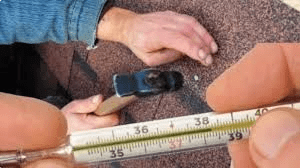
While roofing can sometimes be done in colder temperatures, there are limits where conditions become unsafe or ineffective. In this guide, we’ll explain the minimum temperature for roofing, how cold weather affects materials, and what professionals recommend for winter roof installations.
Read too: Hail Damage Roof Repair: Essential Guide to Restoring Your Home’s Protection
What Temperature Is Too Cold To Roof A House?
The general rule is that roofing should not be installed when temperatures drop below 40°F (4°C), especially when using asphalt shingles.
Most roofing manufacturers recommend installing shingles in temperatures between 40°F and 85°F.
Temperature Guidelines for Roofing
| Temperature | Roofing Conditions |
|---|---|
| Above 50°F | Ideal installation temperature |
| 40°F – 50°F | Acceptable with precautions |
| 32°F – 40°F | Difficult installation |
| Below 32°F | Not recommended |
Cold temperatures affect adhesives, materials, and worker safety.
Roofing materials expand and contract with temperature changes. Understanding how weather affects roofs is important in building construction. For additional background, see:
https://en.wikipedia.org/wiki/Roof
Why Cold Temperatures Affect Roofing Installation
Cold weather changes how roofing materials behave.
Major Cold Weather Challenges
- shingles become brittle
- adhesive strips fail to seal
- nails may not hold properly
- installers face safety risks from ice
These problems can lead to roof leaks or premature roof failure.
How Asphalt Shingles React to Cold Weather
Asphalt shingles are the most common residential roofing material in the United States.
However, they are sensitive to low temperatures.
Cold Weather Problems with Asphalt Shingles
- shingles may crack during installation
- adhesive strips may not activate
- sealing process takes longer
Shingles rely on sunlight and heat to activate their adhesive seal.
Without proper sealing, wind can lift the shingles.
Can Roofers Install Shingles in Winter?
Yes, roofing can still be done in winter under certain conditions.
Professional roofers often take special precautions.
Winter Roofing Techniques
- store shingles in heated spaces
- hand-seal shingles with roofing cement
- work during warmer daytime hours
- avoid installation during snow or ice
These methods help ensure proper installation.
Roofing Material Performance in Cold Weather
Some roofing materials handle cold better than others.
Cold Weather Material Comparison
| Roofing Material | Cold Weather Performance |
|---|---|
| Asphalt shingles | Sensitive to cold |
| Metal roofing | Excellent performance |
| Slate roofing | Durable in cold climates |
| Synthetic roofing | Moderate performance |
Metal roofs are often recommended for cold climates because they resist snow buildup.
Safety Concerns for Roofing in Cold Weather
Roofing during winter introduces additional safety risks.
Common Safety Hazards
- icy roof surfaces
- slippery shingles
- reduced worker mobility
- frozen tools and materials
According to construction safety reports, roofing accidents increase significantly during winter months.
Proper safety equipment and planning are essential.
Step-by-Step Guide for Cold Weather Roofing
If roofing must be done during cold temperatures, follow these best practices.
Step 1: Monitor the Weather Forecast
Choose days with temperatures above 40°F and minimal wind.
Step 2: Warm Roofing Materials
Store shingles in a heated environment before installation.
Cold shingles are more likely to crack.
Step 3: Install Shingles Carefully
Handle shingles gently to avoid breaking them.
Avoid bending the material.
Step 4: Use Roofing Cement
Apply roofing cement under each shingle to improve adhesion.
Step 5: Inspect the Roof Later
Once warmer temperatures arrive, inspect the roof to ensure proper sealing.
These steps help prevent installation problems.
Best Seasons for Roofing Projects
Most contractors recommend installing roofs during moderate temperatures.
Ideal Roofing Seasons
| Season | Roofing Conditions |
|---|---|
| Spring | Excellent conditions |
| Summer | Ideal temperatures |
| Fall | Most popular roofing season |
| Winter | Possible but challenging |
Fall is often considered the best season for roof replacement.
Signs Your Roof Needs Immediate Replacement
Sometimes roofing cannot wait for warmer weather.
Emergency Roofing Situations
- severe roof leaks
- storm damage
- structural sagging
- missing shingles across large areas
In these cases, temporary repairs may be required until warmer conditions arrive.
Tips to Protect Your Roof During Winter
If roofing work must be delayed, there are ways to protect your home.
Winter Roof Protection Tips
- clear snow buildup regularly
- inspect attic ventilation
- repair small leaks quickly
- prevent ice dams
Proper winter maintenance helps extend roof life.
Advantages vs Disadvantages of Winter Roofing
Advantages
- contractors may offer lower prices
- faster scheduling availability
- emergency repairs can be completed quickly
Disadvantages
- material installation challenges
- slower adhesive sealing
- increased safety risks
For major roof replacements, warmer weather remains the best option.
FAQ – What Temperature Is Too Cold To Roof A House
What temperature is too cold to install shingles?
Most manufacturers recommend avoiding installation below 40°F (4°C).
Can roofing be done in freezing temperatures?
Yes, but it requires special techniques such as hand sealing and warming materials.
Why do shingles crack in cold weather?
Cold temperatures make asphalt shingles brittle, increasing the risk of cracking during installation.
What roofing material works best in cold climates?
Metal roofing and slate roofing perform very well in cold and snowy environments.
Is winter roofing more expensive?
Not always. Labor costs may be lower, but installation may take longer due to weather conditions.
Should I replace my roof in winter?
If the roof is severely damaged, replacement may be necessary. Otherwise, many homeowners wait until spring or fall.
Conclusion
Understanding What Temperature Is Too Cold To Roof A House helps homeowners and contractors plan roofing projects safely and effectively.
Most roofing experts recommend installing shingles when temperatures are above 40°F, as colder conditions can affect materials, adhesives, and installation quality.
While winter roofing is possible with proper techniques, moderate temperatures during spring or fall provide the best conditions for roof installation.
If this guide helped you understand cold-weather roofing, consider sharing it on social media so other homeowners can learn how temperature affects roof installation.
Leave a Reply