If you’re wondering what type of roof if house doesn’t have attic space, you’re not alone. Many modern homes, renovations, and compact designs skip traditional attics to maximize interior height or simplify construction. This article will help you understand the best roof options, their advantages, limitations, and how to choose the right solution for comfort, durability, and energy efficiency.
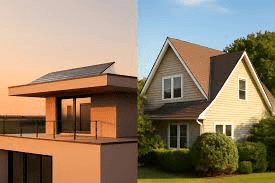
What Does It Mean When a House Has No Attic Space?
A house without attic space typically means the roof structure is built directly over the living area. Instead of a ventilated attic cavity, insulation and roofing layers are installed closer to the ceiling.
Read too: How Long Do Standing Seam Metal Roofs Last? A Comprehensive Guide to Durability and Longevity
This design is common in:
- Modern and minimalist homes
- Homes with cathedral or vaulted ceilings
- Flat-roof buildings
- Tiny homes and urban properties
According to residential design studies, over 30% of new modern homes in the U.S. now use roof designs without traditional attic spaces to improve aesthetics and usable interior volume.
Why Would a Home Be Built Without an Attic?
Homeowners and architects choose attic-less designs for several reasons:
- More interior headroom
- Lower construction complexity
- Modern architectural style
- Reduced maintenance areas
- Better use of vertical space
However, the roof type becomes critical because insulation, ventilation, and moisture control must be handled differently.
What Type of Roof If House Doesn’t Have Attic Space? (Best Options)
Below are the most effective roof types for houses without attic space, based on performance, cost, and comfort.
1. Flat Roof (Low-Slope Roof)
Why Flat Roofs Work Without Attics
Flat roofs are one of the most common answers to what type of roof if house doesn’t have attic space. These roofs typically have a slight slope (1–2 degrees) to allow drainage.
Advantages
- Clean, modern appearance
- Lower construction cost
- Easy installation of HVAC or solar panels
- Ideal for urban homes
Disadvantages
- Requires excellent waterproofing
- Less forgiving in heavy snow regions
- Shorter lifespan if poorly maintained
Best Use Case
Modern homes in mild or dry climates.
2. Cathedral Roof (Vaulted Roof)
A cathedral roof follows the slope of the roofline directly inside the home, eliminating attic space entirely.
Benefits
- Dramatic interior height
- Better natural light
- Strong resale appeal
Challenges
- Requires high-quality insulation
- More complex ventilation design
- Slightly higher energy costs if poorly insulated
Builders recommend R-38 or higher insulation for cathedral ceilings to meet modern energy codes.
3. Shed Roof (Mono-Pitch Roof)
A shed roof slopes in only one direction and is commonly used in modern or compact home designs.
Pros
- Simple construction
- Excellent drainage
- Great for solar panel placement
- Works well without attic space
Cons
- Less traditional appearance
- May require reinforced framing for snow loads
4. Low-Profile Gable Roof (Unvented Assembly)
While traditional gable roofs often include attics, a low-profile gable roof can be built without attic space using a sealed, unvented assembly.
Why It Works
- Insulation installed directly under roof deck
- No need for attic ventilation
- Maintains classic roof appearance
Important Note
This method must follow strict building codes and moisture control standards.
Comparison Table: Roof Types Without Attic Space
| Roof Type | Cost | Energy Efficiency | Maintenance | Best Climate |
|---|---|---|---|---|
| Flat Roof | Low–Medium | Medium | Medium–High | Mild/Dry |
| Cathedral Roof | Medium | High (with good insulation) | Medium | All climates |
| Shed Roof | Medium | High | Low | Solar-friendly |
| Low-Profile Gable | Medium–High | High | Low | All climates |
How Insulation Works Without an Attic
Without attic space, insulation is installed directly under the roof deck.
Common Insulation Types
- Spray foam insulation
- Rigid foam boards
- Dense-packed cellulose
Spray foam is often preferred because it:
- Seals air leaks
- Controls moisture
- Provides high R-value per inch
Energy studies show spray foam can reduce heat loss by up to 50% in attic-less roof systems.
Ventilation: Is It Still Needed Without an Attic?
Yes—but it works differently.
Two Common Approaches
- Unvented roof assemblies (sealed systems)
- Continuous ridge and soffit ventilation integrated into roof design
Improper ventilation is the #1 cause of moisture damage in attic-less roofs, so professional design is essential.
Climate Considerations When Choosing a Roof Without Attic Space
Cold Climates
- Avoid poorly insulated flat roofs
- Use high R-value materials
- Focus on ice dam prevention
Hot Climates
- Reflective roofing materials
- Proper radiant barriers
- Adequate airflow under roof deck
Humid Regions
- Moisture-resistant insulation
- Vapor barriers
- Mold prevention design
Common Mistakes to Avoid
- Skipping professional roof engineering
- Using low-quality waterproofing
- Ignoring condensation control
- Choosing aesthetics over climate suitability
These mistakes can lead to structural damage within 5–7 years, according to roofing failure reports.
Cost Considerations
Average U.S. roofing costs (attic-less designs):
- Flat roof: $6–$10 per sq. ft.
- Cathedral roof: $8–$14 per sq. ft.
- Shed roof: $7–$12 per sq. ft.
Prices vary by region, material, and labor availability.
Building Codes and Compliance
Roof designs without attic space must comply with:
- Local building codes
- Energy efficiency standards
- Moisture control regulations
For general background on roof structures, see Wikipedia – Roof:
👉 https://en.wikipedia.org/wiki/Roof
FAQ: What Type Of Roof If House Doesn’t Have Attic Space
Q1: Can a house function well without an attic?
Yes. With proper insulation and ventilation, attic-less homes can be energy efficient and comfortable.
Q2: What is the best roof for no attic space?
Flat, cathedral, and shed roofs are the most effective options depending on climate and budget.
Q3: Are flat roofs bad for residential homes?
Not necessarily. With modern materials and proper drainage, flat roofs can last 20–30 years.
Q4: How do you insulate a roof without an attic?
Insulation is installed directly under the roof deck using spray foam, rigid foam, or dense-packed materials.
Q5: Is a roof without attic more expensive?
Initial construction may be slightly higher, but long-term maintenance can be lower if done correctly.
Conclusion
So, what type of roof if house doesn’t have attic space? The answer depends on your climate, design goals, and budget. Flat roofs, cathedral ceilings, shed roofs, and low-profile gables all offer effective solutions when properly designed. By focusing on insulation, ventilation, and moisture control, you can enjoy a modern, efficient, and durable home.
If you found this guide helpful, share it on social media to help others make smarter roofing decisions.
Leave a Reply