Selling a home is stressful, and unexpected issues can delay or even derail a deal. One of the most common questions homeowners ask is When Should Get Your Roof Inspected Selling A House to avoid surprises during buyer inspections. This guide explains the ideal timing, benefits, and practical steps so you can sell with confidence and protect your home’s value.
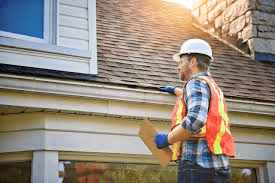
When Should Get Your Roof Inspected Selling A House? (Short Answer)
Ideally, you should get your roof inspected before listing your house, usually 3–6 months prior to putting it on the market. This timing gives you enough room to fix problems, disclose accurately, and avoid last-minute negotiations.
Read too: Hail Damage Roof Repair: Essential Guide to Restoring Your Home’s Protection
Why Roof Inspections Matter When Selling a House
The roof is one of the first things buyers worry about—and one of the most expensive components to repair.
Why buyers care so much:
- Roof replacement can cost $8,000–$15,000+
- Roof issues can block financing
- Insurance companies may refuse coverage
A pre-sale roof inspection reduces uncertainty for everyone involved.
What Happens If You Skip a Roof Inspection?
Skipping a roof inspection may seem like saving money, but it often costs more later.
Common consequences:
- Buyer requests emergency repairs
- Reduced offers or price cuts
- Failed buyer financing
- Deal cancellations
According to real estate professionals, roof-related issues are among the top 5 reasons home sales fall through.
Best Timing Options Explained
1. Before Listing the Home (Best Option)
This is the recommended approach.
Benefits:
- Fix issues on your schedule
- Avoid buyer pressure
- Set a realistic asking price
- Build buyer trust
This timing directly answers the question when should get your roof inspected selling a house for maximum advantage.
2. After Listing but Before Offers
Still helpful, but less ideal.
Pros:
- Helps respond to buyer questions
- Can justify price adjustments
Cons:
- Limited time for repairs
- May delay negotiations
3. After Accepting an Offer (Worst Option)
This is when problems become expensive.
Risks:
- Buyers demand credits
- Repairs must be rushed
- Deals can collapse
How Roof Condition Affects Home Value
Impact on Pricing
- A roof in good condition can increase buyer confidence
- Poor roof condition may reduce value by 5–10%
Buyer Psychology
Buyers see roof problems as:
- Hidden risks
- Future expenses
- Maintenance neglect
Roof Inspection vs Buyer Home Inspection
| Aspect | Pre-Sale Roof Inspection | Buyer Inspection |
|---|---|---|
| Who controls it | Seller | Buyer |
| Repair timeline | Flexible | Urgent |
| Negotiation leverage | Seller | Buyer |
| Cost surprises | Minimal | High |
Doing your own inspection first puts you in control.
What Does a Pre-Sale Roof Inspection Include?
A professional inspection usually checks:
- Shingles or roofing material
- Flashing and seals
- Gutters and drainage
- Roof decking
- Attic ventilation
- Signs of leaks or mold
Inspections typically take 45–90 minutes.
Step-by-Step: How to Prepare for a Roof Inspection
- Clear driveway and yard
- Provide attic access (minimum 4×4 feet)
- Remove debris from gutters
- Share roof age and repair history
- Schedule during dry weather
Preparation ensures accurate results.
How Much Does a Roof Inspection Cost?
Average cost in the US:
- $150–$400, depending on size and region
This small investment can save thousands during negotiations.
Repair Now or Sell As-Is?
A common seller dilemma.
Repair Before Selling
Pros:
- Higher asking price
- Faster closing
- Fewer negotiations
Sell As-Is
Pros:
- No upfront costs
Cons:
- Lower offers
- Smaller buyer pool
Most sellers benefit from addressing minor repairs before listing.
Disclosure Laws and Roof Inspections
In most states, sellers must disclose known defects.
A pre-sale inspection helps you:
- Disclose accurately
- Avoid legal disputes
- Show good faith
For general background on home inspections, see Wikipedia’s overview of building inspections:
https://en.wikipedia.org/wiki/Building_inspection
How Roof Age Affects Inspection Timing
Roof lifespan varies:
- Asphalt shingles: 20–30 years
- Metal roofs: 40–70 years
- Tile roofs: 50+ years
If your roof is over 15 years old, inspection becomes even more critical before selling.
Case Study: Seller Who Inspected Early
Home: 3-bedroom suburban house
Roof Age: 18 years
Action Taken:
- Inspection done 4 months before listing
- $1,200 in minor repairs completed
Result:
- Passed buyer inspection
- No price reductions
- Closed 12 days faster than average
Advantages vs Disadvantages of Early Roof Inspection
Advantages
- Stronger negotiating position
- Fewer surprises
- Higher buyer confidence
Disadvantages
- Small upfront cost
- Possible repair expenses
Most sellers find the benefits outweigh the costs.
Should You Share the Roof Inspection Report with Buyers?
Yes—when it’s positive.
Sharing the report:
- Builds trust
- Reduces buyer inspections
- Speeds up decision-making
Transparency aligns with modern E-E-A-T best practices.
FAQ: When Should Get Your Roof Inspected Selling A House
Q1: Is a roof inspection required before selling a house?
No, but it’s strongly recommended to avoid deal-breaking surprises.
Q2: How far in advance should I inspect my roof before selling?
Ideally 3–6 months before listing your home.
Q3: Can a bad roof inspection stop a home sale?
Yes. Buyers may walk away or lenders may deny financing.
Q4: Should I replace the roof before selling?
Only if repairs won’t restore function or if replacement increases value more than cost.
Q5: Who pays for roof inspection when selling a house?
Sellers pay for pre-sale inspections; buyers pay for their own inspections.
Conclusion
So, When Should Get Your Roof Inspected Selling A House? The smartest move is before you list, while you still control the timeline and costs. A proactive roof inspection protects your price, reduces stress, and helps you close faster with fewer surprises.
If this guide helped you prepare for selling your home, share it on social media so other homeowners can sell with confidence too.
Leave a Reply