A failing roof is more than an inconvenience—it’s a financial emergency for many homeowners. If you’re asking Where Do I Get The Money To Re-Roof The House, you’re likely worried about costs, timing, and limited options. This guide explains realistic, proven ways homeowners in the US pay for a new roof without unnecessary stress or debt.
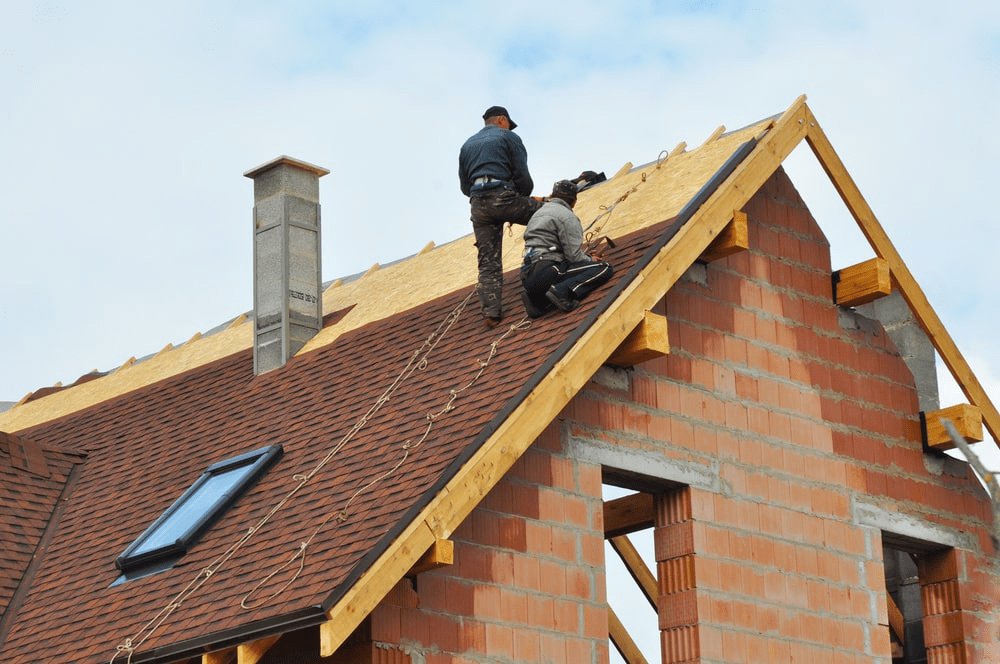
Where Do I Get The Money To Re-Roof The House? (Quick Answer)
Most homeowners pay for a new roof using savings, insurance claims, home equity loans, personal loans, financing through roofing contractors, government assistance programs, or credit cards. The best option depends on urgency, credit score, home equity, and long-term financial goals.
Read too: Hail Damage Roof Repair: Essential Guide to Restoring Your Home’s Protection
How Much Does It Cost to Re-Roof a House?
Before choosing funding, it’s important to understand the cost.
Average reroofing costs in the US:
- Asphalt shingles: $8,000–$15,000
- Metal roofing: $15,000–$30,000
- Tile or slate: $20,000–$50,000+
Prices vary based on:
- Roof size and pitch
- Material choice
- Labor costs
- Location
Why Roof Replacement Can’t Be Delayed
Postponing roof replacement often leads to:
- Interior water damage
- Mold growth
- Structural rot
- Insurance claim denial
According to housing experts, roof leaks are among the top causes of major home repair expenses.
1. Homeowners Insurance (Best Option If Eligible)
Insurance is often overlooked but can be a major source of funding.
When insurance may pay:
- Storm damage
- Hail damage
- Wind damage
- Falling debris
What insurance usually won’t cover:
- Normal wear and tear
- Old age
- Poor maintenance
Tip: File a claim immediately and document damage with photos.
2. Savings or Emergency Fund
Using cash avoids interest and debt.
Pros:
- No interest
- No credit checks
- Fast payment
Cons:
- Depletes emergency savings
- May not cover full cost
This option works best for partial repairs or smaller roofs.
3. Home Equity Loan or HELOC
One of the most common answers to where do I get the money to re-roof the house.
How it works:
- Borrow against your home’s equity
- Fixed or variable interest rates
Pros:
- Lower interest than personal loans
- Tax-deductible interest (in some cases)
Cons:
- Your home is collateral
- Approval process takes time
4. Personal Loans
Personal loans are unsecured and widely available.
Typical loan terms:
- $5,000–$50,000
- 2–7 year repayment
- Interest rates depend on credit
Pros:
- Fast approval
- No collateral
Cons:
- Higher interest rates
- Monthly payments add up
5. Roofing Contractor Financing
Many roofing companies partner with lenders.
Common features:
- Same-day approval
- Deferred interest offers
- Fixed monthly payments
Watch out for:
- High interest after promo period
- Short repayment windows
Always read the fine print carefully.
6. Government Grants and Assistance Programs
Some homeowners qualify for help.
Possible programs:
- USDA Rural Development loans
- State housing repair grants
- Local weatherization programs
Eligibility depends on:
- Income level
- Age
- Location
You can learn more about housing assistance concepts on Wikipedia’s housing assistance page:
https://en.wikipedia.org/wiki/Housing_assistance
7. Credit Cards (Short-Term Solution Only)
Credit cards should be used cautiously.
Pros:
- Immediate access
- Reward points or cashback
Cons:
- Very high interest
- Risk of long-term debt
Best for small repairs, not full reroofs.
Comparison Table: Roofing Payment Options
| Option | Interest | Speed | Risk | Best For |
|---|---|---|---|---|
| Insurance | None | Medium | Low | Storm damage |
| Savings | None | Fast | Low | Partial costs |
| Home Equity | Low | Slow | Medium | Large projects |
| Personal Loan | Medium | Fast | Medium | Quick funding |
| Contractor Finance | Medium–High | Fast | Medium | Convenience |
| Credit Cards | High | Instant | High | Emergencies |
Step-by-Step: How to Choose the Best Funding Option
- Get 2–3 roofing estimates
- Check insurance eligibility
- Calculate home equity
- Compare loan interest rates
- Review monthly affordability
- Choose lowest long-term cost
Taking these steps avoids rushed decisions.
What If You Can’t Afford a Full Re-Roof Right Now?
Temporary options:
- Emergency patch repairs
- Partial reroofing
- Tarp installation
These can buy 6–12 months while securing funding.
Does Re-Roofing Increase Home Value?
Yes. A new roof can increase resale value by 60–70% of its cost and improve buyer confidence.
It also:
- Improves energy efficiency
- Lowers insurance premiums
- Prevents inspection issues
Tax Considerations
Roof replacement is usually not tax-deductible, but exceptions include:
- Home office portion
- Energy-efficient upgrades
- Rental properties
Consult a tax professional for details.
Common Mistakes to Avoid
- Choosing the fastest loan without comparing rates
- Ignoring insurance options
- Overusing credit cards
- Hiring uninsured contractors
Avoiding these mistakes can save thousands.
Real-Life Example
Homeowner: Single-family home, Midwest
Roof cost: $12,500
Funding mix:
- Insurance covered $7,000
- HELOC covered $5,500
Result: Low monthly payment, no financial strain.
FAQ: Where Do I Get The Money To Re-Roof The House
Q1: Can I re-roof my house with no money upfront?
Yes, through insurance claims or contractor financing.
Q2: What credit score is needed for roof financing?
Most lenders require 620+, but some programs accept lower scores.
Q3: Is it better to use a loan or savings for a new roof?
Savings avoid interest, but loans preserve emergency funds.
Q4: Will insurance pay for an old roof?
Only if damage is from a covered event, not age.
Q5: Can I refinance my mortgage to pay for a new roof?
Yes, cash-out refinancing is an option if rates are favorable.
Conclusion
If you’re asking Where Do I Get The Money To Re-Roof The House, the good news is you have more options than you think. From insurance claims and home equity to loans and assistance programs, there’s a solution for almost every situation. The key is acting early, comparing options, and choosing the lowest long-term cost.
If this guide helped you plan your roof replacement, share it on social media so other homeowners can make informed, stress-free decisions.
Leave a Reply