Have you ever noticed that some houses have steep, sloping roofs while others are completely flat? If you’re asking Where Do We Find Houses With Sloping Roofs And Why, you’re not alone—this is a common question tied to climate, culture, and smart architectural design. In this article, we’ll explore where sloping roofs are most common and the practical reasons they’ve stood the test of time.
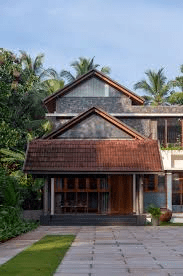
Where Do We Find Houses With Sloping Roofs And Why? (Quick Overview)
Houses with sloping roofs are most commonly found in regions with heavy rain, snow, or extreme weather, such as Northern Europe, the United States, Canada, Japan, and mountainous areas worldwide. The main reason is simple: sloping roofs efficiently shed water, snow, and debris, protecting the structure and increasing durability.
Read too: Hail Damage Roof Repair: Essential Guide to Restoring Your Home’s Protection
What Is a Sloping Roof?
A sloping roof (also called a pitched roof) is a roof that angles downward from a central ridge or high point.
Key characteristics:
- Inclined surface
- Allows water runoff
- Often covered with shingles, tiles, or metal
- Common in residential homes
You can learn more about roof structures on Wikipedia’s roof page:
https://en.wikipedia.org/wiki/Roof
Where Are Houses With Sloping Roofs Most Common?
1. Cold and Snowy Regions
Sloping roofs dominate in places with heavy snowfall.
Examples:
- Canada
- Northern United States (Minnesota, Michigan, New York)
- Scandinavia
Why?
Steep slopes prevent snow buildup, reducing the risk of roof collapse.
2. Rainy and Tropical Climates
In high-rainfall regions, sloping roofs are essential.
Examples:
- Southeast Asia
- Pacific Northwest (Washington, Oregon)
- Parts of the UK
Why?
Sloped roofs allow fast water drainage, preventing leaks and mold.
3. Mountainous Areas
Elevation increases exposure to wind, snow, and rain.
Examples:
- Alps
- Rockies
- Himalayan regions
Why?
Sloping roofs resist snow loads and channel runoff safely.
4. Traditional European Architecture
Many European homes feature pitched roofs as a cultural norm.
Examples:
- Germany
- France
- Switzerland
These designs evolved before modern waterproofing existed.
5. Suburban United States
Most suburban US homes have sloping roofs.
Why?
- Building codes
- Climate adaptability
- Cost efficiency
Why Are Sloping Roofs Better Than Flat Roofs in Many Areas?
Key Functional Advantages
- Faster water drainage
- Reduced leak risk
- Longer roof lifespan
- Better insulation options
Climate vs Roof Design: Why Slope Matters
Architecture always responds to climate.
Roof slope and weather relationship:
- Steep slope: Snow-heavy regions
- Moderate slope: Rainy climates
- Low slope: Mild, dry regions
Benefits of Houses With Sloping Roofs
1. Improved Durability
Sloping roofs experience less standing water, which reduces material degradation.
2. Lower Maintenance Costs
Water and debris naturally slide off.
3. Better Energy Efficiency
Attic space improves insulation and ventilation.
4. Increased Property Value
Homes with pitched roofs often appeal more to buyers.
5. Architectural Appeal
Sloping roofs offer design flexibility.
Sloping Roofs vs Flat Roofs (Comparison Table)
| Feature | Sloping Roof | Flat Roof |
|---|---|---|
| Drainage | Excellent | Poor |
| Snow handling | Very good | Risky |
| Maintenance | Lower | Higher |
| Lifespan | Longer | Shorter |
| Cost | Moderate | Lower upfront |
Common Types of Sloping Roofs
1. Gable Roof
- Classic triangular shape
- Very common in the US
2. Hip Roof
- Slopes on all sides
- Strong against wind
3. Mansard Roof
- French-inspired
- Extra living space
4. Gambrel Roof
- Often seen in barns
- Maximizes attic space
Why Do Some Countries Avoid Sloping Roofs?
Flat roofs are common in:
- Deserts
- Low-rainfall regions
Reason:
Minimal precipitation means drainage is less critical.
Do Building Codes Influence Roof Slope?
Yes. Many local codes require minimum slope ratios based on:
- Snow load
- Rainfall averages
- Wind conditions
This ensures structural safety.
How Sloping Roofs Improve Structural Safety
- Prevent water pooling
- Reduce structural stress
- Minimize leak points
These benefits directly impact home longevity.
Step-by-Step: How Architects Decide Roof Slope
- Analyze local climate data
- Review building codes
- Evaluate material options
- Calculate load requirements
- Balance aesthetics and function
Each step ensures the roof performs effectively for decades.
Modern Trends in Sloping Roof Design
Today’s sloping roofs often include:
- Solar panel integration
- Energy-efficient insulation
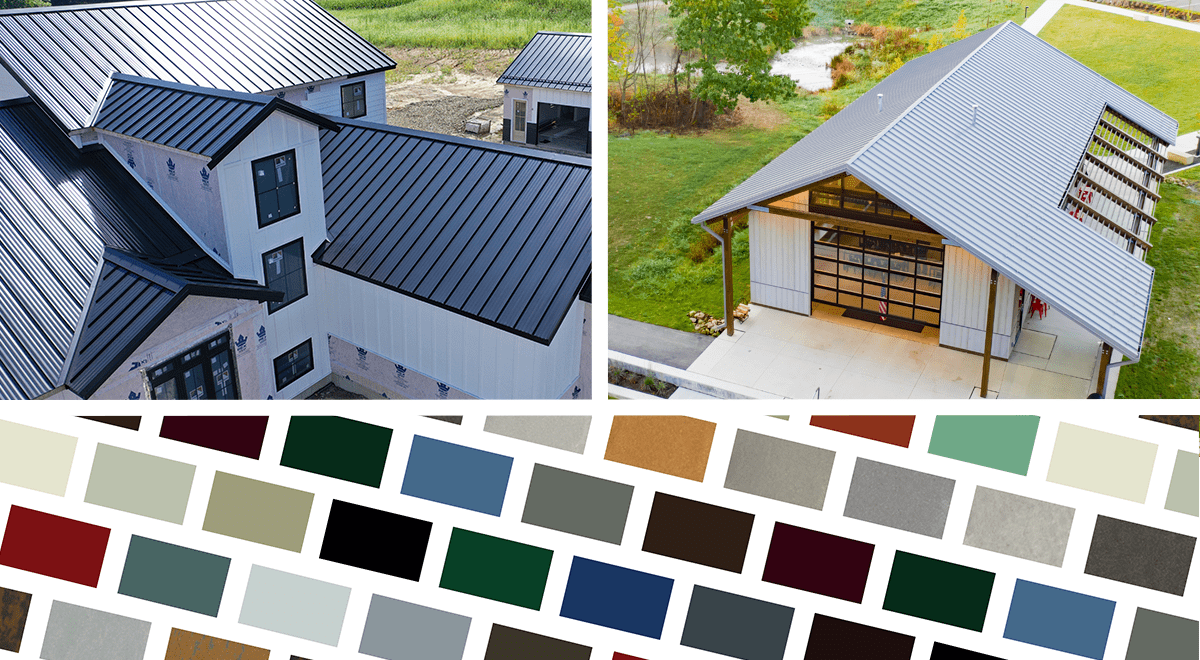
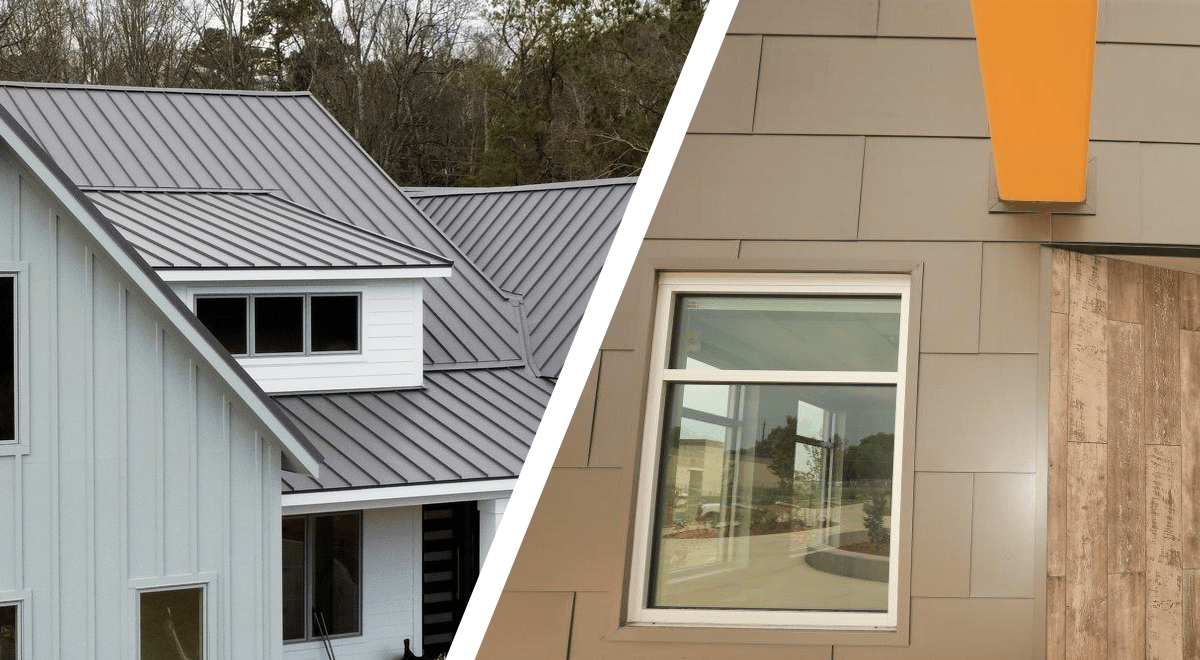
- Metal roofing for longevity
This keeps traditional designs relevant in modern construction.
Environmental Benefits of Sloping Roofs
- Supports rainwater harvesting
- Improves ventilation
- Reduces heat buildup
These features contribute to sustainable housing.
FAQ: Where Do We Find Houses With Sloping Roofs And Why
Q1: Why are sloping roofs common in snowy areas?
They prevent snow accumulation and reduce collapse risk.
Q2: Are sloping roofs more expensive than flat roofs?
They may cost more initially but are cheaper long-term.
Q3: Can sloping roofs be used in hot climates?
Yes, especially with proper ventilation and materials.
Q4: Do sloping roofs last longer?
Yes, because they handle water and debris better.
Q5: Are sloping roofs better for resale value?
In most markets, yes—buyers trust their durability.
Conclusion
Understanding Where Do We Find Houses With Sloping Roofs And Why reveals how architecture adapts to climate, safety, and efficiency. From snowy mountains to rainy suburbs, sloping roofs remain one of the most practical and reliable roof designs ever created. They protect homes, reduce maintenance, and enhance comfort.
If you found this guide helpful, share it on social media so others can better understand why roof design matters more than they think.
Leave a Reply