When considering metal roofing for your home or commercial building, one crucial factor to evaluate is the gauge and weight of the material. Specifically, 26 gauge metal roofing is a popular choice due to its balance of strength and durability. This article will delve into the specifics of 26 gauge metal roofing weight, its implications for installation, and why it might be the right choice for your roofing needs.
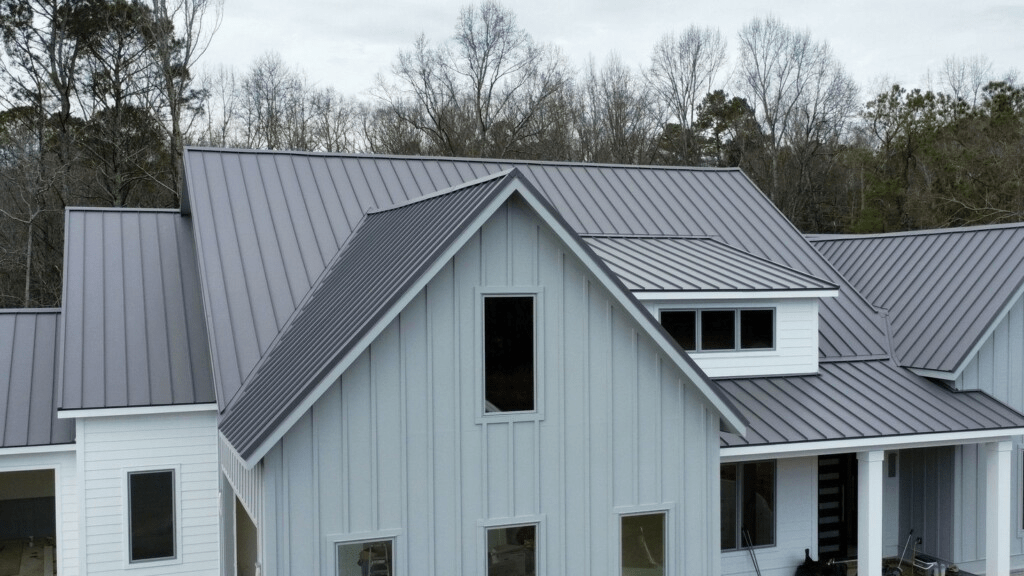
What is 26 Gauge Metal Roofing?
Metal roofing comes in various gauges, which refer to the thickness of the metal. The gauge number is inversely related to thickness; a lower gauge indicates a thicker material. For instance, 26 gauge metal roofing is relatively thin compared to lower gauge options, but it still offers a good combination of strength and flexibility.
26 gauge metal roofing is commonly used in residential, commercial, and agricultural buildings due to its cost-effectiveness and durability. It is often made from materials such as steel, aluminum, or zinc-coated steel.
Read too: How To Replace A Mobile Home Roof: Step-by-Step Guide for Homeowners
Benefits of 26 Gauge Metal Roofing
- Cost-Effective: 26 gauge metal roofing is generally more affordable than thicker gauges, making it a budget-friendly option for many projects.
- Durability: Despite its thinner profile, 26 gauge metal roofing is still robust and can withstand various weather conditions, including high winds and heavy rain.
- Ease of Installation: The lighter weight of 26 gauge metal makes it easier to handle and install compared to thicker gauges, which can reduce labor costs and installation time.
- Energy Efficiency: Metal roofing reflects sunlight, which can help reduce cooling costs and improve energy efficiency in your home or building.
26 Gauge Metal Roofing Weight: Key Considerations
Weight of 26 Gauge Metal Roofing
The weight of 26 gauge metal roofing varies depending on the type of metal used and its specific formulation. Generally, 26 gauge metal roofing weighs approximately 1.2 to 1.5 pounds per square foot. This weight is significantly lighter compared to thicker gauges, which can weigh up to 3 pounds per square foot or more.
Factors Affecting Weight:
- Material Type: Different metals have varying densities, which can affect the overall weight of the roofing. For example, aluminum is lighter than steel, so 26 gauge aluminum roofing will weigh less than 26 gauge steel roofing.
- Coating and Finishes: Additional coatings or finishes can add to the weight of the roofing material. For instance, a zinc coating or paint finish will contribute to the overall weight.
- Profile and Design: The specific design or profile of the metal roofing can also impact its weight. For example, standing seam panels might have a slightly different weight compared to corrugated panels.
Implications for Installation
Structural Considerations:
- Support Structure: Even though 26 gauge metal roofing is relatively light, it’s important to ensure that the underlying support structure is adequate. The framing and decking must be strong enough to support the weight of the roofing material.
- Load-Bearing Capacity: Understanding the weight of your roofing material helps in assessing the load-bearing capacity of the building. This is particularly important for older structures or buildings with unusual designs.
Handling and Transport:
- Ease of Handling: The lighter weight of 26 gauge metal roofing makes it easier to handle during transportation and installation. This can lead to quicker installation times and lower labor costs.
- Safety: Although 26 gauge metal is lighter, proper safety measures should still be followed during installation to prevent accidents and ensure the safety of the workers.
Comparing 26 Gauge to Other Gauges
To better understand where 26 gauge metal roofing stands, let’s compare it to other common gauges used in metal roofing:
22 Gauge Metal Roofing
- Thickness: 22 gauge is thicker and heavier than 26 gauge.
- Weight: Typically weighs about 2.0 to 2.5 pounds per square foot.
- Durability: Offers increased durability and resistance to damage but at a higher cost.
24 Gauge Metal Roofing
- Thickness: 24 gauge is thicker than 26 gauge but thinner than 22 gauge.
- Weight: Generally weighs around 1.6 to 2.0 pounds per square foot.
- Durability: Provides a good balance of strength and weight, making it a popular choice for various applications.
28 Gauge Metal Roofing
- Thickness: 28 gauge is thinner and lighter than 26 gauge.
- Weight: Usually weighs about 1.0 to 1.2 pounds per square foot.
- Durability: While it is more cost-effective, it is less durable and may not be suitable for areas with severe weather conditions.
Choosing the Right Gauge for Your Roofing Project
When selecting the appropriate gauge for your roofing project, consider the following factors:
- Climate and Weather Conditions: If you live in an area with extreme weather conditions, you might want to choose a thicker gauge for added durability and protection.
- Budget: 26 gauge metal roofing provides a balance between cost and performance. It is an affordable option that does not compromise too much on durability.
- Structural Requirements: Ensure that your building’s support structure can handle the weight of the chosen roofing gauge. Consult with a structural engineer if necessary.
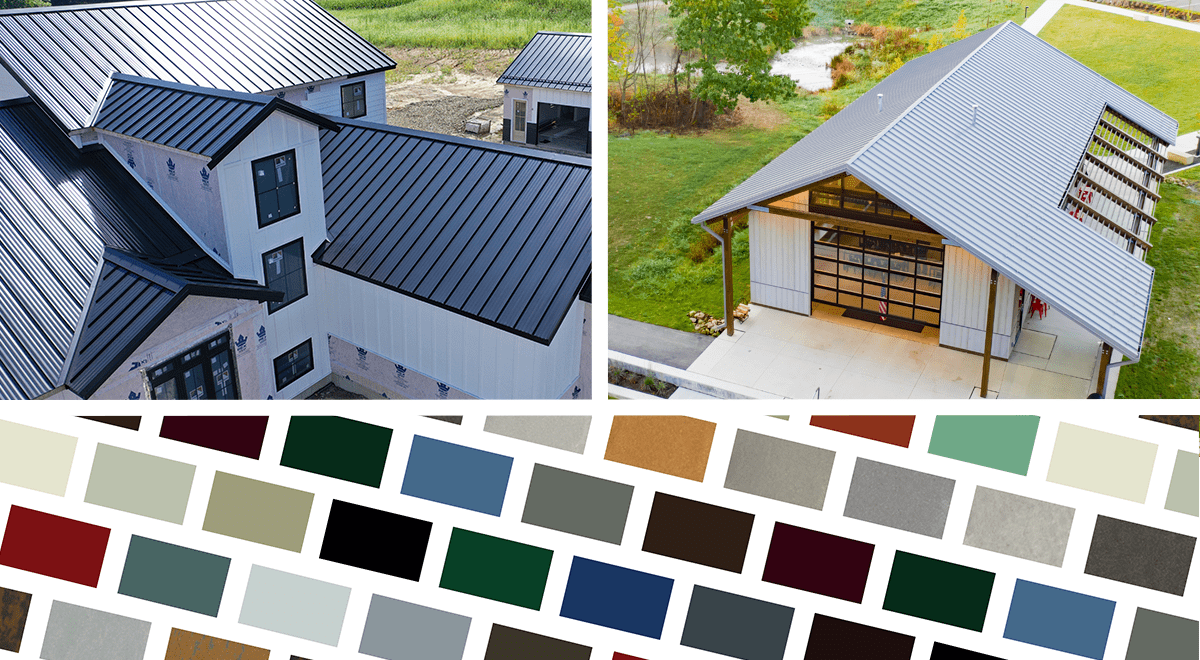
- Aesthetic Preferences: Different gauges may have different profiles and appearances. Choose a gauge that aligns with your design preferences and architectural style.
Installation Tips for 26 Gauge Metal Roofing
To ensure a successful installation of 26 gauge metal roofing, follow these tips:
- Preparation: Ensure that the roof deck and support structure are clean, dry, and free from any debris or damage.
- Alignment: Properly align the metal roofing panels to ensure a seamless and watertight installation.
- Fastening: Use appropriate fasteners and follow the manufacturer’s recommendations for securing the panels. Avoid over-tightening to prevent damage.
- Sealing: Apply sealants as needed to prevent leaks and ensure that all seams and joints are properly sealed.
- Inspection: Conduct a thorough inspection after installation to check for any issues or areas that need attention.
Maintenance of 26 Gauge Metal Roofing
Proper maintenance is essential to extend the life of your 26 gauge metal roofing:
- Regular Inspections: Periodically inspect your roof for signs of wear, damage, or corrosion. Address any issues promptly to prevent further damage.
- Cleaning: Keep the roof clean from debris, leaves, and other materials that could cause damage or obstruct drainage.
- Repairs: Repair any damaged sections or loose fasteners to maintain the roof’s integrity and performance.
Conclusion
26 gauge metal roofing offers a balance of strength, affordability, and ease of installation. Understanding the weight of 26 gauge metal roofing and its implications for installation can help you make an informed decision for your roofing project. By considering factors such as climate, structural requirements, and budget, you can choose the right gauge and ensure a successful and durable roofing solution.
Whether you’re replacing an old roof or embarking on a new construction project, 26 gauge metal roofing provides a reliable and cost-effective option that meets a variety of needs. Consult with roofing professionals to ensure that you select the best gauge and materials for your specific requirements.
Leave a Reply