If you’ve noticed that my house is more humid since installing a metal roof, you’re not alone. Metal roofs are durable and energy-efficient, but without proper ventilation and insulation, they can sometimes contribute to increased indoor humidity. Understanding the causes, effects, and solutions can help you maintain a comfortable and healthy home.
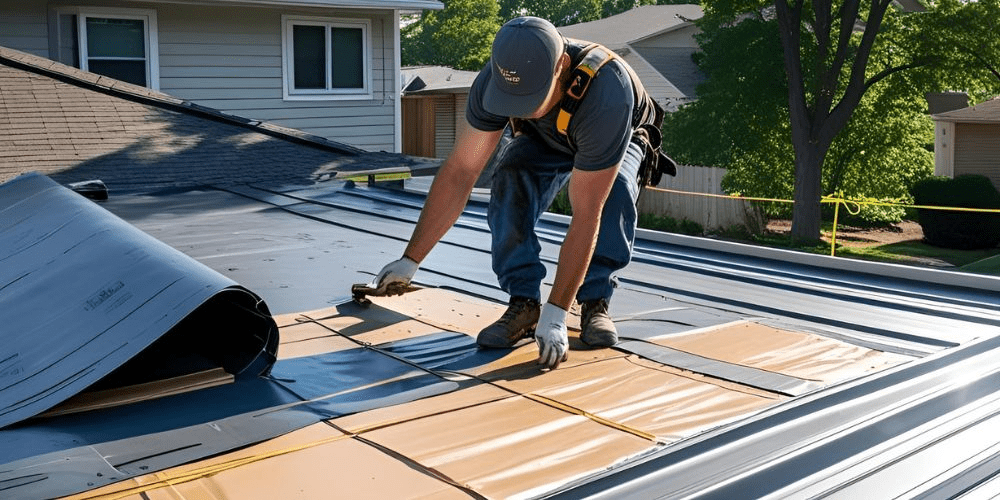
Why Humidity Can Increase After Installing a Metal Roof
Metal roofs themselves don’t produce moisture, but they can affect indoor humidity in several ways:
- Poor Ventilation: If your attic lacks adequate vents, warm, moist air gets trapped, raising humidity levels.
- Condensation: Metal is a conductive material, which can cause condensation on the underside of the roof if a vapor barrier or insulation is insufficient.
- Changes in Home Sealing: Replacing a roof often involves sealing gaps. If the home becomes too airtight without proper airflow, moisture builds up inside.
Read too: Hail Damage Roof Repair: Essential Guide to Restoring Your Home’s Protection
Expert Insight: According to Wikipedia, metal roofing can be prone to condensation issues if not paired with proper insulation and ventilation systems.
Common Signs of Excess Humidity
- Musty odors in attics or rooms
- Condensation on windows or walls
- Peeling paint or wallpaper
- Mold or mildew growth
- Warped wood floors or furniture
Identifying these signs early can prevent structural damage and health issues.
Solutions to Reduce Humidity in Homes With Metal Roofs
1. Improve Attic Ventilation
Proper airflow prevents trapped moisture. Ensure you have:
- Ridge vents at the peak of the roof
- Soffit vents at the eaves
- Gable vents for cross-ventilation
Pro Tip: The general rule is 1 square foot of vent for every 150 square feet of attic space.
2. Install a Vapor Barrier
A vapor barrier under the roof deck reduces condensation by preventing warm, moist indoor air from reaching the cold metal surface. Materials include:
- Polyethylene sheets
- Reflective foil insulation
- Spray foam insulation with vapor-retardant properties
3. Use Dehumidifiers
Portable or whole-home dehumidifiers can help maintain indoor humidity between 30–50%, the ideal range for comfort and mold prevention.
4. Seal Air Leaks
Check for leaks around windows, doors, and attic hatches. Proper sealing reduces humidity caused by outdoor moisture entering the home.
5. Consider Insulation Upgrades
Insufficient insulation can exacerbate condensation problems. Recommended R-values for attic insulation vary by region:
- Northern US: R49–R60
- Southern US: R30–R60
Upgrading insulation also improves energy efficiency and reduces heating/cooling costs.
Pros and Cons: Metal Roofs and Humidity
| Pros of Metal Roofs | Cons Related to Humidity |
|---|---|
| Long-lasting (40–70 years) | Can cause condensation if poorly insulated |
| Energy-efficient | Requires proper ventilation planning |
| Lightweight | Initial installation may trap moisture |
| Low maintenance | May require additional attic upgrades |
Step-by-Step Checklist: Fixing Humidity After a Metal Roof
- Inspect the attic for visible condensation or water stains.
- Check ventilation — add ridge, soffit, or gable vents if needed.
- Install or upgrade a vapor barrier beneath the metal panels.
- Seal air leaks around attic entry points, windows, and doors.
- Upgrade insulation according to regional recommendations.
- Add dehumidifiers for persistent humidity issues.
- Monitor indoor humidity with a hygrometer to ensure levels stay 30–50%.
FAQ: Metal Roofs and Indoor Humidity
Q1: Is it normal for humidity to rise after installing a metal roof?
A: It can be if ventilation, insulation, or vapor barriers are inadequate. Proper airflow and moisture control prevent issues.
Q2: Can a metal roof cause mold?
A: Yes, trapped moisture from condensation can lead to mold growth, especially in attics or poorly ventilated areas.
Q3: How do I know if my attic has proper ventilation?
A: Check for ridge vents, soffit vents, and gable vents. You should feel airflow during breezy days or use a smoke test.
Q4: Are vapor barriers necessary with metal roofs?
A: Highly recommended. They prevent warm, moist air from condensing on the cold metal roof surface.
Q5: Will insulation alone solve humidity issues?
A: Not entirely. Insulation helps, but it must work with proper ventilation and sealing for effective humidity control.
Q6: Can dehumidifiers replace ventilation?
A: No, dehumidifiers help reduce indoor moisture, but proper ventilation addresses the root cause of condensation.
Conclusion
If my house is more humid since installing a metal roof, it’s often due to ventilation or insulation issues rather than the metal itself. By improving attic airflow, installing vapor barriers, sealing leaks, and using dehumidifiers, you can restore optimal indoor humidity. Proper planning ensures your metal roof remains an energy-efficient, long-lasting investment without compromising comfort or health.
Leave a Reply